Clear Sky Science · en
Automated algorithms for identifying patients requiring palliative care: a systematic review and meta‑analysis
Finding Help Sooner, Not Later
When people live with serious illness, conversations about comfort, dignity, and what kind of care they truly want often come too late. This article looks at whether computers can quietly scan the medical record in the background and tap doctors on the shoulder when a patient might benefit from palliative care—specialized support focused on easing symptoms and aligning treatment with what matters most to patients and families.
How Computers Can Spot Hidden Needs
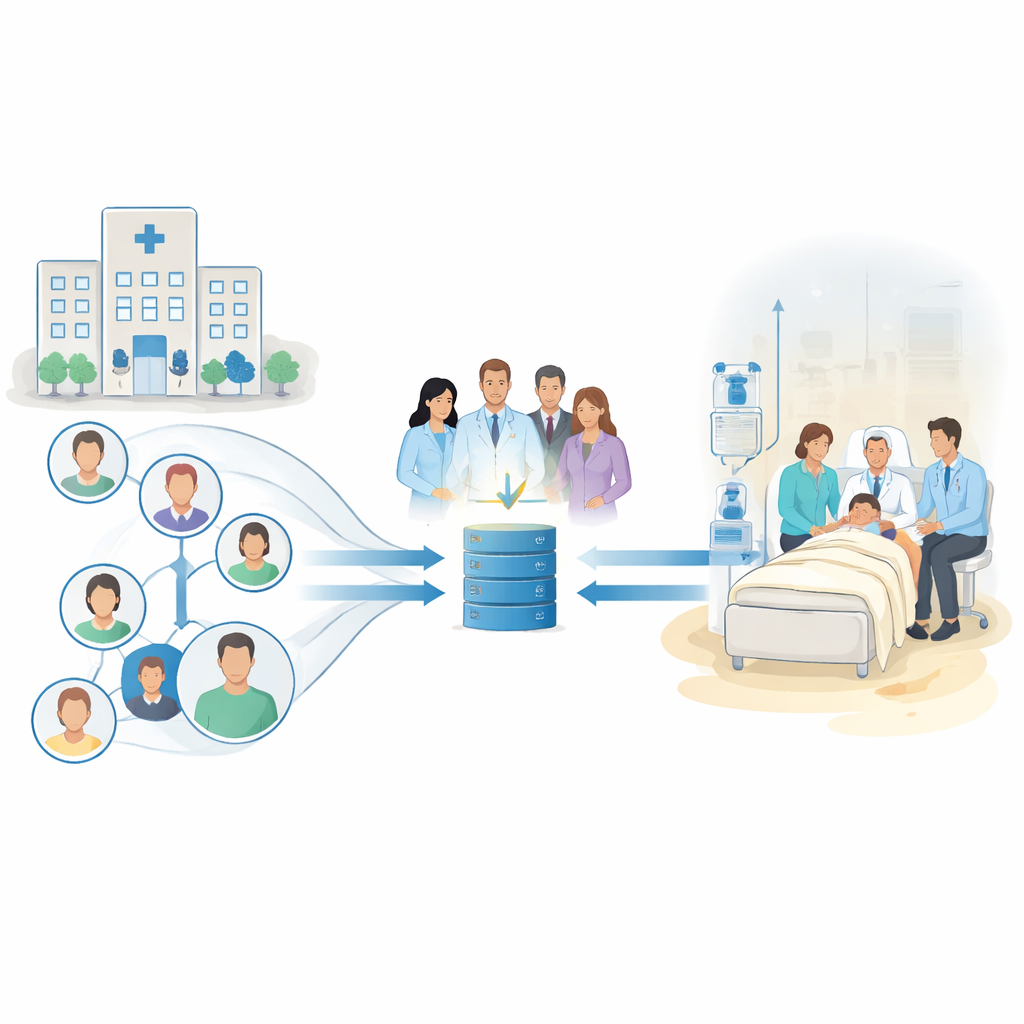
Modern hospitals collect huge amounts of information on every patient: age, diagnoses, lab tests, medicines, and more. The studies in this review tested automated tools that sift through these electronic health records and flag people who may have high needs for palliative care. Instead of waiting for a busy clinician to notice that someone is declining or overwhelmed, the system sends an alert or places a suggestion directly into the care team’s workflow, prompting a palliative care consultation or a structured talk with the family. These tools were tried in many settings—general hospital wards, intensive care units, emergency departments, and cancer clinics—mostly in the United States and included over 125,000 adult patients.
What the Studies Found
Across seven randomized trials, patients identified by these automated systems were much more likely to receive a visit from a palliative care specialist than those receiving usual care. This effect was seen both in people with cancer and those with other serious illnesses. The tools also led to more formal documentation of do-not-resuscitate decisions, the orders that tell medical teams not to attempt CPR if a patient’s heart or breathing stops. These changes suggest that the alerts are not just firing silently in the background; they are triggering real conversations and decisions about the kind of care people want near the end of life.
Where the Impact Was Modest
Other outcomes shifted less dramatically. Enrollment in hospice—a service that focuses on comfort in the final months of life—was overall similar between patients supported by algorithms and those receiving usual care. However, in at least one cancer study, people in the usual-care group were more likely to start hospice in only the last few days of life, hinting that they may have received support too late to make a meaningful difference. Measures such as time spent in the hospital or intensive care, readmissions within 30 days, and family-rated stress, depression, anxiety, and post-traumatic stress did not show clear improvements, although there were small trends in a favorable direction.
Why Higher Hospital Deaths May Not Mean Harm
An eye-catching finding was a slight increase in deaths during the hospital stay among patients exposed to these tools. The authors argue this is unlikely to mean the algorithms are harmful. Instead, earlier recognition of a patient’s decline may lead to more honest discussions about prognosis and more frequent choices to focus on comfort rather than aggressive procedures or transfers to intensive care. In other words, people may be dying in the hospital in a more peaceful, planned way that better reflects their preferences, rather than being pushed toward every possible life-prolonging measure.
Limits and Next Steps
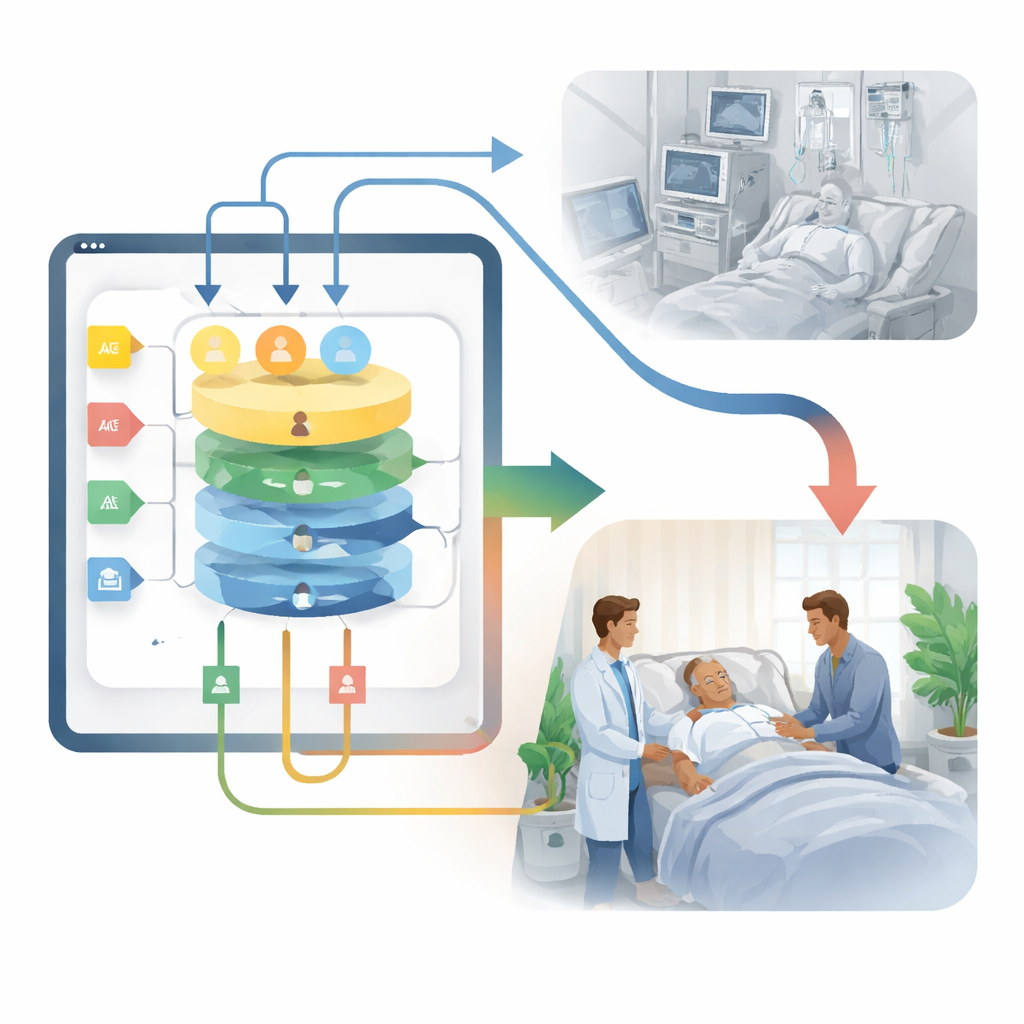
Making these systems work well depends on more than code. Clinicians must trust the alerts, have time and staffing to respond, and feel comfortable raising end-of-life themes with patients and families. Some trials struggled because even when the system correctly identified high-need patients, there were not enough palliative care specialists or the patients were uncertain about accepting this kind of support. All the trials took place in the United States, so it is not yet clear how well the results will transfer to other health systems with different cultures, resources, and ways of organizing care.
What This Means for Patients and Families
Overall, this review suggests that letting computers scan the medical record can help bring palliative care to the bedside earlier and make key decisions—such as do-not-resuscitate orders—more likely to be discussed and recorded. While the tools did not dramatically change every measure of hospital use or family distress, they appear to move care in a direction that many patients say they want: fewer unwanted procedures and more attention to comfort, communication, and personal goals at the end of life.
Citation: Hou, CW., Hu, MC., Gautama, M.S.N. et al. Automated algorithms for identifying patients requiring palliative care: a systematic review and meta‑analysis. npj Digit. Med. 9, 238 (2026). https://doi.org/10.1038/s41746-026-02429-4
Keywords: palliative care, electronic health records, clinical decision support, end-of-life care, healthcare algorithms