Clear Sky Science · en
Telemonitoring modalities in heart failure: comparative effectiveness across the heart failure population—a meta-analysis
Keeping Hearts Safer from Afar
For people living with heart failure, the risk of landing back in the hospital is a constant worry. In recent years, doctors have turned to remote monitoring—checking patients’ health from home using phone calls, sensors, and digital tools—to catch problems early. This study pulls together results from nearly 80 clinical trials to ask two big questions: Do these different forms of remote monitoring truly save lives and reduce hospital visits, and can we tell which types of patients benefit most from which kind of monitoring?
Different Ways to Watch Over Patients at Home
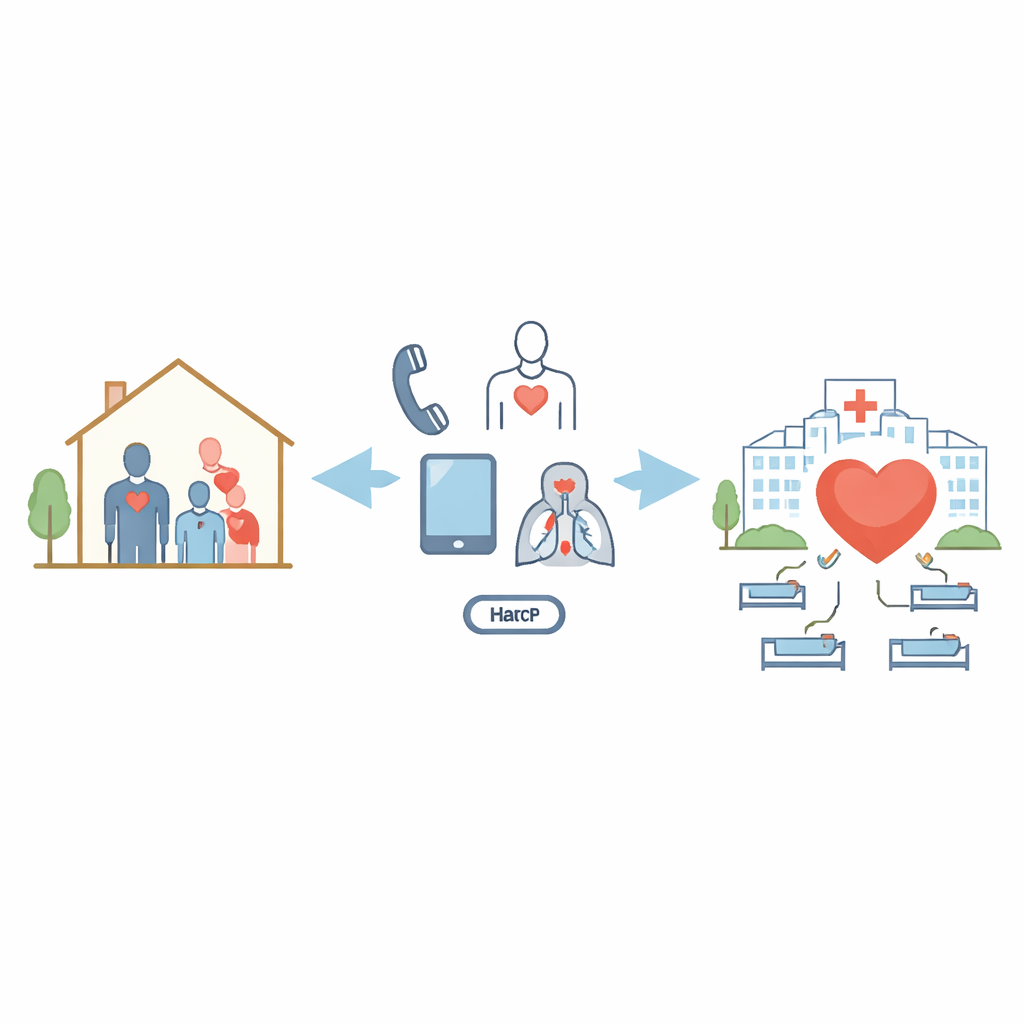
The researchers looked at five main kinds of remote monitoring used in heart failure. Some are non-invasive, such as simple telemonitoring, where patients regularly send in weight or blood pressure readings, and structured telephone support, in which nurses or doctors make scheduled calls to check symptoms, adjust medications, and provide coaching. More complex systems combine electronic data transfers with call centers. Invasive approaches include cardiac devices that transmit information from inside the chest and small sensors placed in blood vessels to track pressure changes linked to fluid build-up. All of these approaches share a common goal: to spot trouble early enough to adjust treatment before a crisis sends someone back to the hospital.
What the Numbers Say About Fewer Hospital Stays and Deaths
To understand overall impact, the team combined data from 79 randomized trials including more than 31,000 patients followed for about a year. They found that, taken together, remote monitoring clearly helped. Compared with usual care, patients with some form of remote monitoring had fewer total heart failure hospitalizations, were less likely to experience a first heart failure admission, and were slightly less likely to die from any cause during the study periods. In other words, monitoring from home did not just shift care around—it translated into fewer serious events and better chances of surviving.
Which Technologies Stand Out
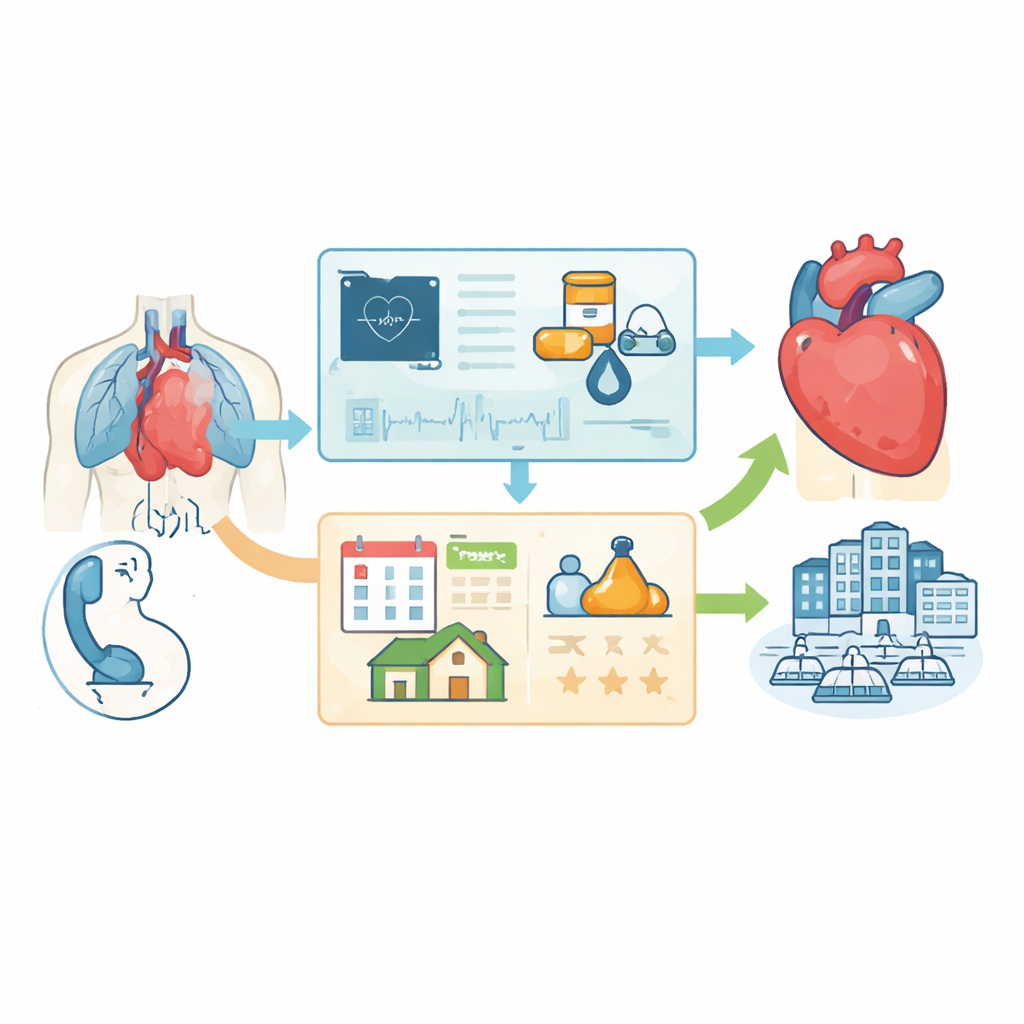
The authors then compared the different monitoring methods against each other using a technique that ranks treatments by performance. For repeated heart failure hospitalizations, implanted pressure sensors inside blood vessels came out on top. By watching pressure rise days or weeks before symptoms appear, clinicians can adjust medications early and head off flare-ups. For preventing a first hospitalization and lowering the risk of death from any cause, structured telephone support ranked highest. Regular, planned conversations with trained staff seem to make a powerful difference, likely because they combine symptom checks with education, coaching, and quicker treatment changes.
Do Certain Patients Gain More Than Others?
The team also tested whether benefits varied by age, sex, disease severity, heart function, or where in the world patients lived. Surprisingly, they found no convincing evidence that any one subgroup did markedly better or worse than another. The advantages of remote monitoring appeared broadly similar for older and younger patients, men and women, and people with more or less severe symptoms. This suggests that, at least with the data available today, remote monitoring is a generally helpful tool rather than one that only works in a narrow slice of the heart failure population.
What This Means for Patients and Health Systems
For patients, the message is encouraging: being watched over from home—whether through scheduled phone calls, simple electronic check-ins, or implanted sensors—can lower the chances of returning to the hospital and may modestly improve survival. For doctors and health systems, the study confirms that remote monitoring is worth using broadly in heart failure care but offers limited guidance on precisely which patients should receive which technology. While implanted pressure sensors and structured phone support show particular strengths, practical issues such as cost, staffing, and local infrastructure will shape choices. Overall, the findings support expanding remote monitoring programs as a core part of routine heart failure management rather than a niche add-on.
Citation: Scholte, N.T.B., Clephas, P.R.D., Boersma, E. et al. Telemonitoring modalities in heart failure: comparative effectiveness across the heart failure population—a meta-analysis. npj Digit. Med. 9, 234 (2026). https://doi.org/10.1038/s41746-026-02415-w
Keywords: heart failure, remote monitoring, telemedicine, hospital readmissions, digital health