Clear Sky Science · en
Digital health interventions for perioperative patient-reported outcomes: a network meta-analysis
Why Your Phone Might Help Before Surgery
Facing surgery is scary. Many people feel intense worry and pain around the time of their operation, and busy hospitals often struggle to offer the one-on-one support every patient wants. This study asks a simple question with big practical consequences: can everyday digital tools—like videos, smartphone apps, or virtual reality headsets—make that experience less frightening and less painful, and help people feel more satisfied with their care?
New Tools at the Bedside
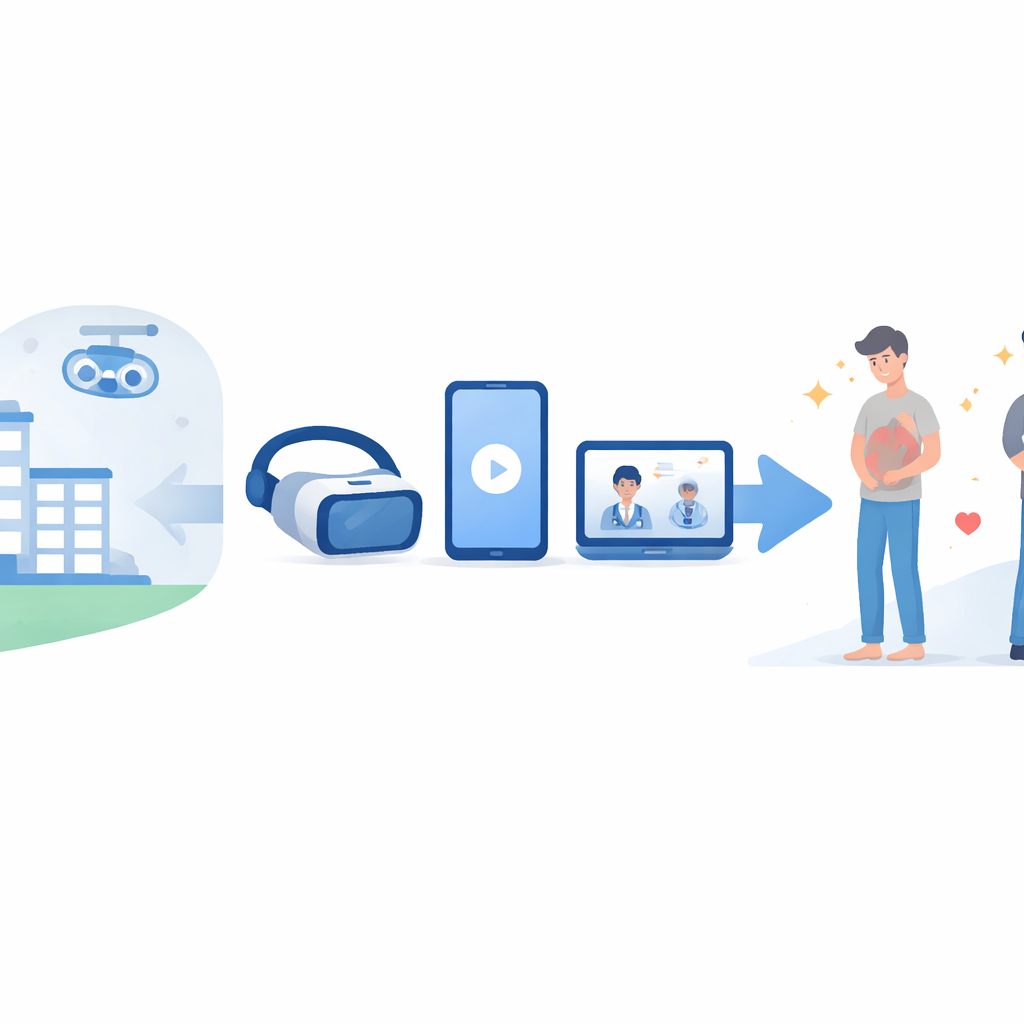
The researchers looked at a group of technologies known together as digital health interventions. These include extended reality headsets that immerse patients in calming scenes, mobile phone apps that guide them through what to expect, web portals, simple two-dimensional videos, and remote check-ins by phone or computer. All of these tools aim to give people better information, coaching, and distraction before and after surgery, without requiring extra time from already stretched hospital staff.
What the Researchers Did
Instead of running a single new trial, the team combined evidence from 56 high-quality randomized studies involving more than 6,100 adults having planned operations under general anesthesia. They used a method called a network meta-analysis, which lets them compare many different types of digital tools—even when the original studies did not directly compare those tools with one another. They focused on what patients themselves reported: how anxious they felt, how much pain they experienced after surgery, how good their quality of life seemed, and how satisfied they were with their care.
Which Tools Helped People Most
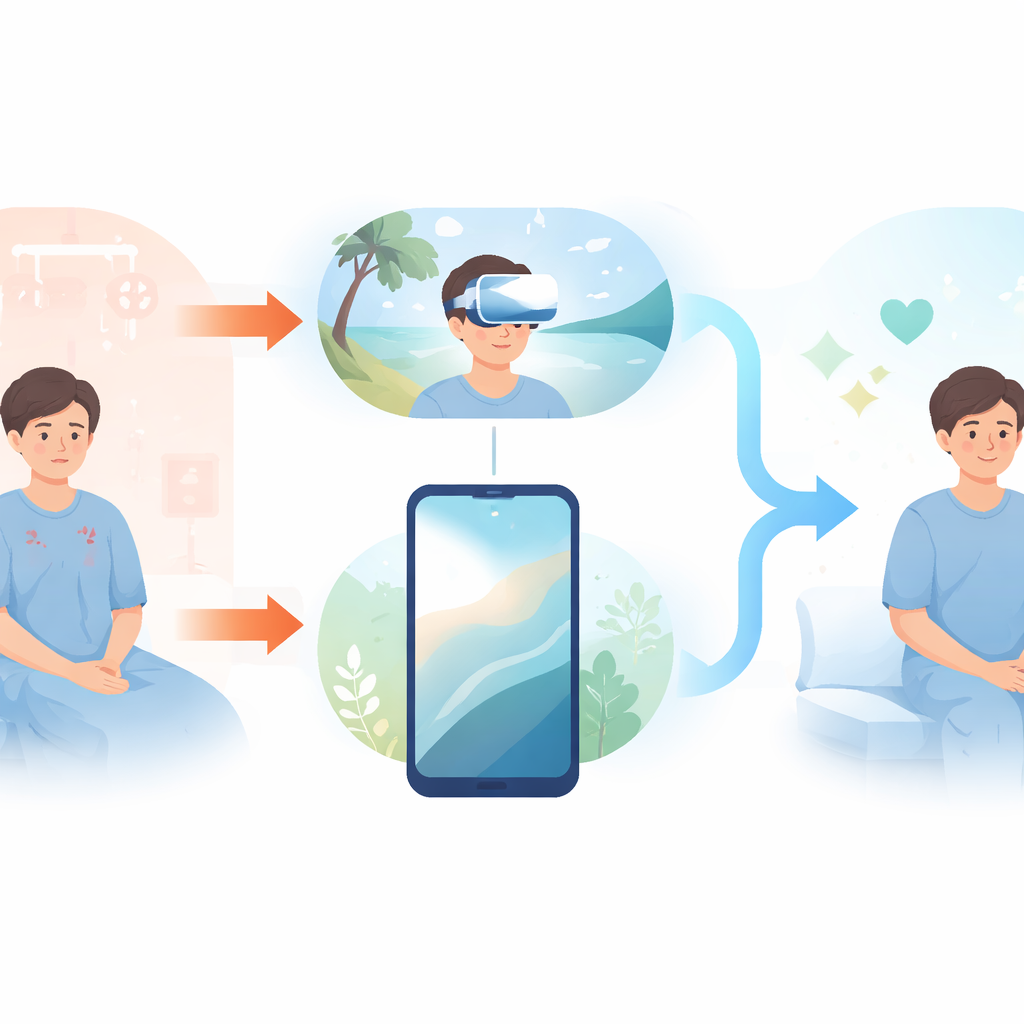
Overall, digital support worked better than standard care alone. Extended reality stood out as especially helpful for easing anxiety before and around surgery, and it also produced the biggest gains in how satisfied people felt with their care. For pain after surgery, mobile apps and extended reality both provided meaningful relief compared with usual care. When it came to quality of life—how well people felt they were functioning—simple two-dimensional video programs showed the largest improvement, likely because they clearly explained what would happen and how to cope at home.
Different Operations, Different Needs
The benefits were not the same for every situation. For traditional open surgeries, extended reality gave the strongest combination of less pain and less anxiety, while videos and web programs also helped but to a lesser degree. For smaller, minimally invasive procedures, mobile apps often did best, particularly for calming worry. In several cases, the size of the benefit was large enough that patients were likely to clearly feel the difference, not just see it on a questionnaire. Still, the authors note that results varied between studies, and that details such as the exact content of the app or video, the type of surgery, and a patient’s age or mental state probably influence how well a given tool works.
What This Means for Patients and Hospitals
This research suggests that adding well-designed digital tools to routine surgical care can meaningfully improve how people feel before and after an operation—less anxious, in less pain, and more satisfied—without replacing human caregivers. Extended reality and mobile apps, in particular, look promising for patients who are especially nervous or at risk of significant pain, while educational videos may be a simple, low-cost way to boost quality of life after surgery. The authors caution that hospitals still need to consider practical issues such as staff training, patients’ comfort with technology, and access to devices. But the message is clear: smart use of digital support can turn the surgical journey into a more informed, calmer, and more comfortable experience.
Citation: Luo, Z., Zhou, R., Wei, J. et al. Digital health interventions for perioperative patient-reported outcomes: a network meta-analysis. npj Digit. Med. 9, 206 (2026). https://doi.org/10.1038/s41746-026-02398-8
Keywords: digital health, surgery, virtual reality, mobile health apps, patient-reported outcomes