Clear Sky Science · en
Genomic landscape and clinical impact of BRCA1/2 pathogenic variants in metastatic castration-resistant prostate cancer
Why this research matters
For many men, prostate cancer grows slowly and can be managed for years. But when it spreads and stops responding to hormone-lowering treatment, it becomes life‑threatening and hard to control. This study asks a crucial question for patients and families: can reading the tumor’s DNA, especially changes in two well‑known genes called BRCA1 and BRCA2, help doctors choose better treatments and better predict what lies ahead?
Looking inside the DNA of advanced prostate cancer
The researchers examined genetic test results from nearly 6,000 men across Japan with advanced, treatment‑resistant prostate cancer. These men had already undergone comprehensive genomic profiling, a type of testing that scans hundreds of cancer‑related genes in a single assay. The team focused on genes that repair damaged DNA, because faults in this system can both drive cancer and open the door to a new class of drugs called PARP inhibitors. Among 12 key repair genes, more than one in three patients carried at least one harmful change, and about one in seven had a damaging change in BRCA1 or BRCA2. The pattern of other gene changes, such as a surprisingly high rate of CDK12 alterations compared with Western datasets, also pointed to possible differences linked to ancestry and local practice.

BRCA changes and overall outlook
Next, the team asked how these DNA repair changes related to how long patients lived after starting their first systemic treatment. Men whose tumors carried harmful alterations in any of the repair genes tended to have shorter overall survival than those without such changes. When the scientists zoomed in on BRCA1 and BRCA2 separately, they saw that patients with a damaging change in either gene fared worse than those with no harmful BRCA changes. This pattern held whether survival was measured from the start of drug treatment or from the time of initial prostate cancer diagnosis, underscoring that BRCA‑related disease often behaves more aggressively.
A closer look at response to targeted treatment
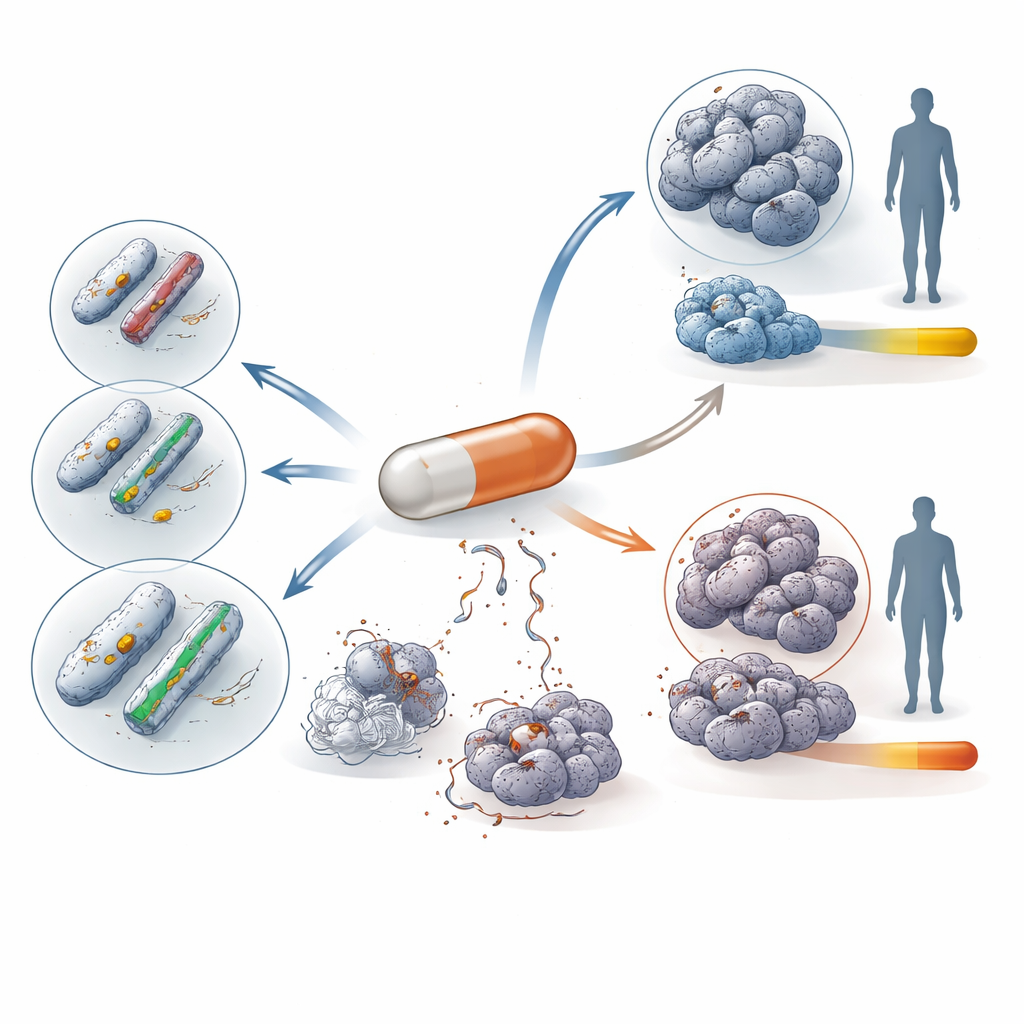
A central part of the study examined real‑world use of olaparib, a PARP‑blocking pill now approved for advanced prostate cancer with BRCA alterations. Of the 792 men whose tumors carried harmful BRCA1 or BRCA2 changes and were recommended for olaparib, about half actually received the drug, almost always after at least one prior therapy. Among these treated patients, the typical survival after starting olaparib was around a year and a half, similar to results from earlier clinical trials. However, not all BRCA changes were equal: men with BRCA1 alterations had a distinctly shorter survival on olaparib than those with BRCA2 alterations, even though their other clinical features were broadly similar. Prior exposure to chemotherapy drugs such as taxanes was also linked to poorer outcomes, likely reflecting more advanced disease at the time olaparib was begun.
Not all BRCA2 changes behave the same
The researchers went further by comparing different types of BRCA2 alterations. Some tumors had completely lost the BRCA2 gene, while others carried specific recurrent changes that are relatively common in Japanese patients. Men whose cancers had full loss of BRCA2 actually did best on olaparib, living longer than those with other BRCA2 changes. Laboratory work from other groups suggests that such complete loss may make it harder for cancer cells to “repair” their defect and escape the drug’s effects. In contrast, one particular BRCA2 change, known in genetics as a frameshift variant, appeared to be associated with worse outcomes, although the numbers were still too small to be certain. These patterns hint that the exact shape of a DNA error, not just its location, can change how a tumor responds to targeted therapy.
What this means for patients and care
Overall, this nationwide study shows that detailed genetic decoding of advanced prostate tumors can do more than simply flag who might be eligible for a PARP inhibitor. It suggests that the precise kind of BRCA1 or BRCA2 alteration carries important clues about how aggressive the disease is and how well drugs like olaparib are likely to work. For patients, this points toward a future in which treatment plans are tailored not just to the organ where a cancer starts, but to its personal DNA fingerprint. For doctors and health systems, it strengthens the case for broad genomic testing and careful annotation of BRCA and other repair‑gene variants as part of routine care for men with hard‑to‑treat prostate cancer.
Citation: Iida, K., Urabe, F., Matsui, Y. et al. Genomic landscape and clinical impact of BRCA1/2 pathogenic variants in metastatic castration-resistant prostate cancer. npj Precis. Onc. 10, 145 (2026). https://doi.org/10.1038/s41698-026-01339-8
Keywords: prostate cancer, BRCA mutations, PARP inhibitors, genomic profiling, precision oncology