Clear Sky Science · en
Valproic acid reverses macrophage-mediated temozolomide resistance in macrophage-rich gliomas
Turning the Body’s Helpers Against Brain Tumors
Brain tumors called gliomas are notoriously hard to treat, in part because they often stop responding to the main chemotherapy drug, temozolomide. This study explores an unexpected ally in the fight: a long‑used seizure medication, valproic acid. By persuading certain immune cells in and around the tumor to switch sides, valproic acid may help chemotherapy work better for patients whose tumors are packed with these cells.
Why Standard Treatment Often Falls Short
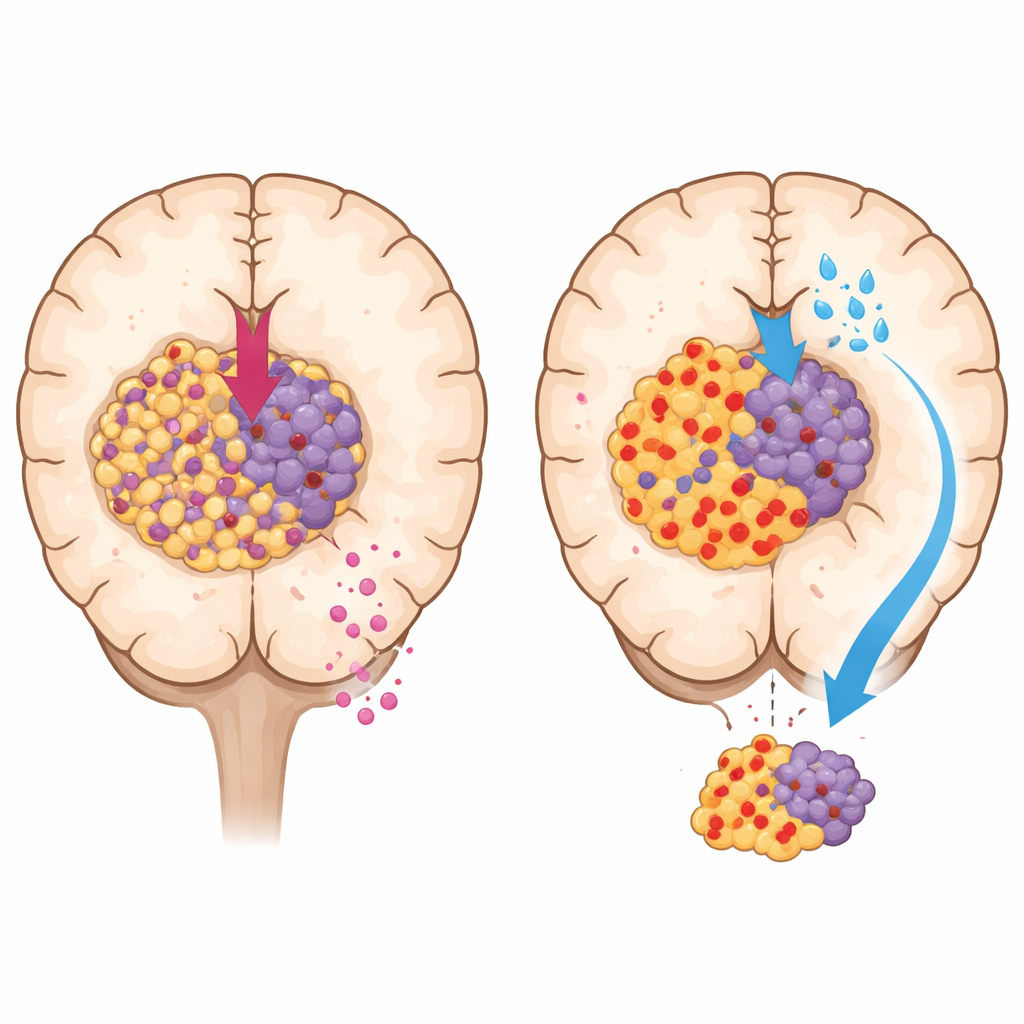
For aggressive gliomas, especially glioblastoma, surgery and radiation are typically followed by temozolomide. Yet many tumors either resist the drug from the start or become resistant over time. Earlier work largely blamed changes inside the cancer cells themselves, such as how they repair DNA damage. But patients’ tumors are more than just cancer cells: they sit in a complex neighborhood of immune and support cells. Among the most abundant of these are macrophages, a type of white blood cell that can either attack tumors or, under the wrong conditions, quietly assist their growth.
When the Tumor’s Neighborhood Blocks Therapy
The researchers compared how several glioma cell lines responded to temozolomide in a dish versus in mice. Some cell lines that looked very sensitive in the lab became stubbornly drug‑resistant once grown as tumors. The key difference was not the cancer cells’ own genetics, but the surrounding environment. Tumors that resisted treatment in animals were heavily infiltrated by macrophages, especially a “healing” form that tends to soothe inflammation and shield tumors rather than destroy them. Analyses of patient data and tissue samples showed that gliomas rich in these macrophages were more likely to return after therapy and were linked to shorter survival.
Two Seizure Drugs, Two Very Different Immune Effects
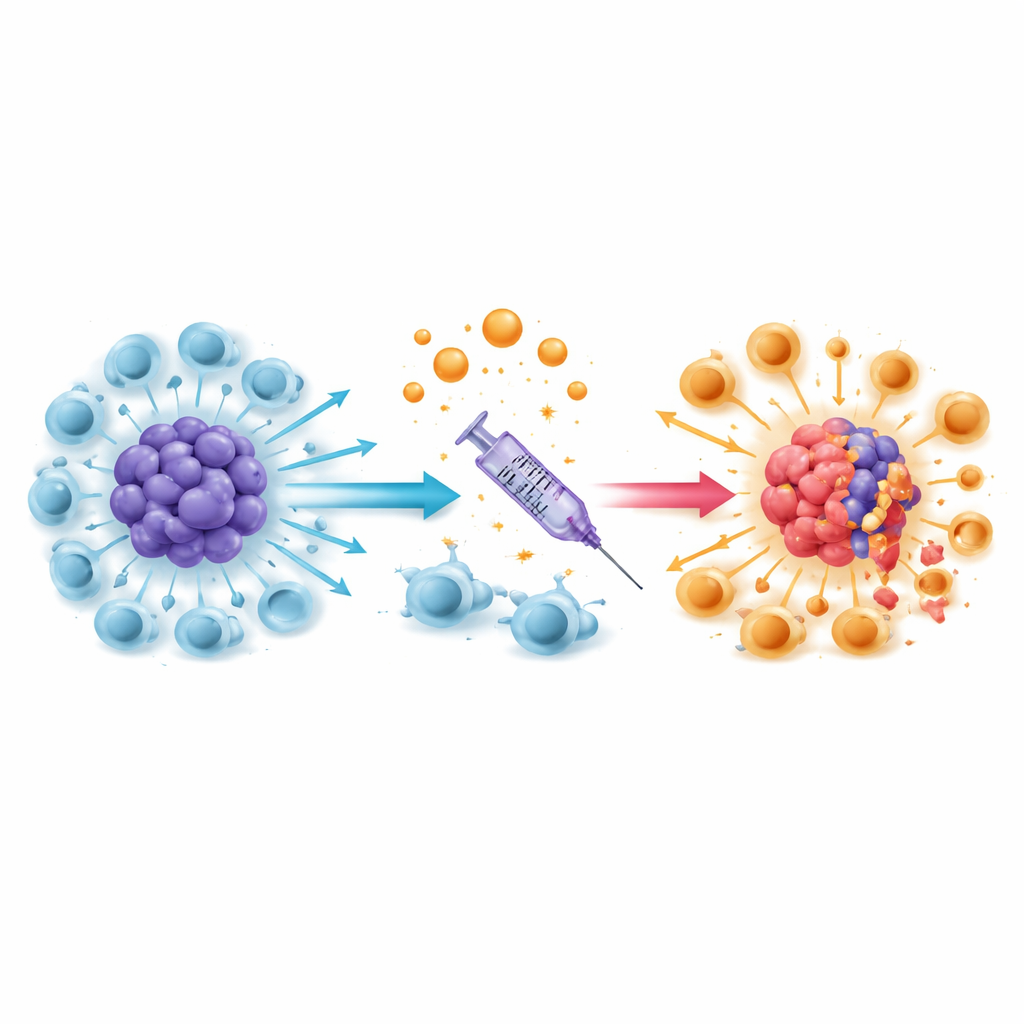
Many people with gliomas receive anti‑seizure drugs such as levetiracetam or valproic acid. Both have been suggested as add‑ons to temozolomide, but their impact on the tumor’s immune neighborhood had not been fully tested. In this study, the team exposed human‑derived macrophages to signals from glioma cells, then treated them either with levetiracetam or valproic acid. Valproic acid consistently pushed macrophages toward a more aggressive, tumor‑fighting state, marked by higher production of attack‑oriented messenger molecules. Levetiracetam tended to nudge them the opposite way, toward a more protective, tumor‑supporting state.
Rewiring Macrophages to Restore Drug Sensitivity
The scientists then asked whether these immune shifts actually changed how tumors responded to chemotherapy. When glioma cells were grown with macrophages or with fluid taken from macrophages, temozolomide became less effective, mimicking the resistance seen in animals and patients. But if the macrophages had been pretreated with valproic acid, the opposite happened: their secretions now made glioma cells more vulnerable to temozolomide and reduced production of several resistance‑linked factors. In mouse models of macrophage‑rich gliomas, combining valproic acid with temozolomide slowed tumor growth and extended survival more than temozolomide alone or temozolomide plus levetiracetam. Tumors from valproic‑acid–treated mice contained more attack‑oriented macrophages and fewer of the shielding type.
Toward More Personal Treatment Choices
Taken together, the findings suggest that, for gliomas crowded with macrophages, valproic acid may do double duty: controlling seizures while also re‑arming the immune cells that surround the tumor so that chemotherapy can work as intended. Levetiracetam may still be valuable for tumors whose resistance is driven more by internal DNA‑repair pathways than by their cellular neighborhood. The work does not yet change standard care, but it offers a clear, testable idea for future clinical trials: match the seizure drug to the tumor’s biology, using valproic acid when macrophages dominate, in order to turn the tumor’s former helpers into partners in its destruction.
Citation: Ni, X., Chen, W., Xu, P. et al. Valproic acid reverses macrophage-mediated temozolomide resistance in macrophage-rich gliomas. npj Precis. Onc. 10, 120 (2026). https://doi.org/10.1038/s41698-026-01325-0
Keywords: glioblastoma, temozolomide resistance, tumor microenvironment, macrophages, valproic acid