Clear Sky Science · en
A unified framework for pre-screening and screening tools in oncology clinical trials
Why finding the right cancer trial matters
Cancer clinical trials are where tomorrow’s treatments are tested today, yet only a small fraction of eligible patients ever make it into these studies. This article explains why matching patients to the right trials is so hard and how new digital tools—especially those using artificial intelligence—could change that. For readers, it offers a window into how data, computers, and human expertise might work together to speed access to promising therapies and make research fairer and more inclusive.
The growing challenge of enrolling patients
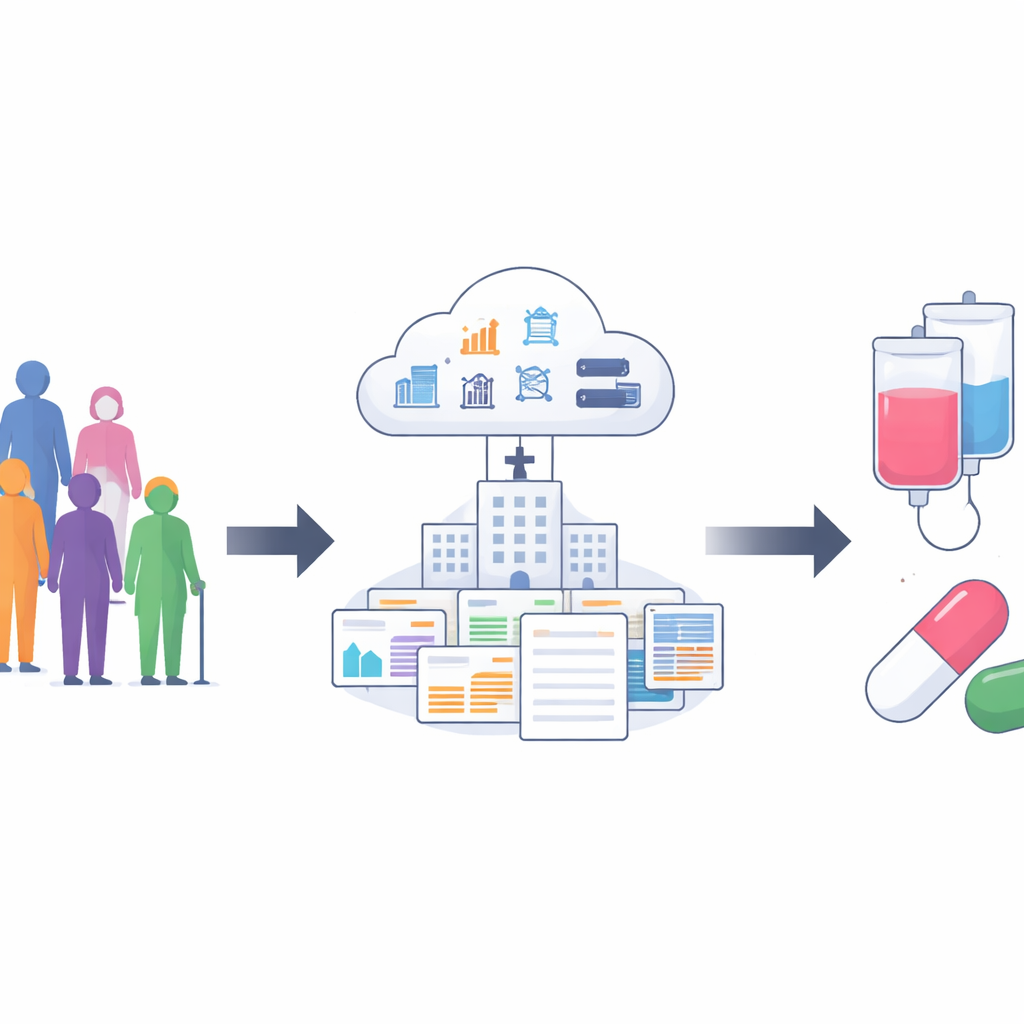
Modern cancer research depends on clinical trials, but enrollment has become a serious bottleneck. A large share of oncology trials fail to recruit enough participants, and the typical enrollment period is getting longer. Trials now rely on intricate eligibility rules, detailed lab tests, and increasingly on molecular “fingerprints” of each tumor. At the same time, patient information is scattered across different hospitals, computer systems, and free‑text notes. As a result, many patients who could benefit from a trial are never identified in time, and only about 3–5 percent of eligible people with cancer ultimately join a study.
Different paths to connect patients and studies
Today's trial-matching efforts fall into three broad groups. Patient-focused approaches use outreach campaigns, social media, advocacy groups, and online questionnaires to help individuals seek out trials themselves. These can boost awareness and engagement but risk spreading misinformation and may miss people with limited internet access. Health system-focused tools are embedded inside hospitals and clinics, using electronic records, tumor boards, and genomic testing platforms to suggest trials to oncologists during routine care. Hybrid strategies aim to blend both: raising awareness among patients while equipping clinicians with better in‑house tools, so that opportunities are not lost on either side.
Who is being left out and why it matters
A major concern is that trial participants do not reflect the full population of people living with cancer. Rural patients, those from lower-income backgrounds, older adults, and many minority groups are underrepresented. Distance to major centers, financial strain, limited awareness, and strict eligibility rules that exclude people with other health problems all play a role. Regulators such as the U.S. Food and Drug Administration are pushing sponsors to plan for diversity from the start, including more flexible, partly remote trial designs and better site selection. The article highlights that any new matching technology must actively reduce, not deepen, these gaps.
From manual review to smart automation
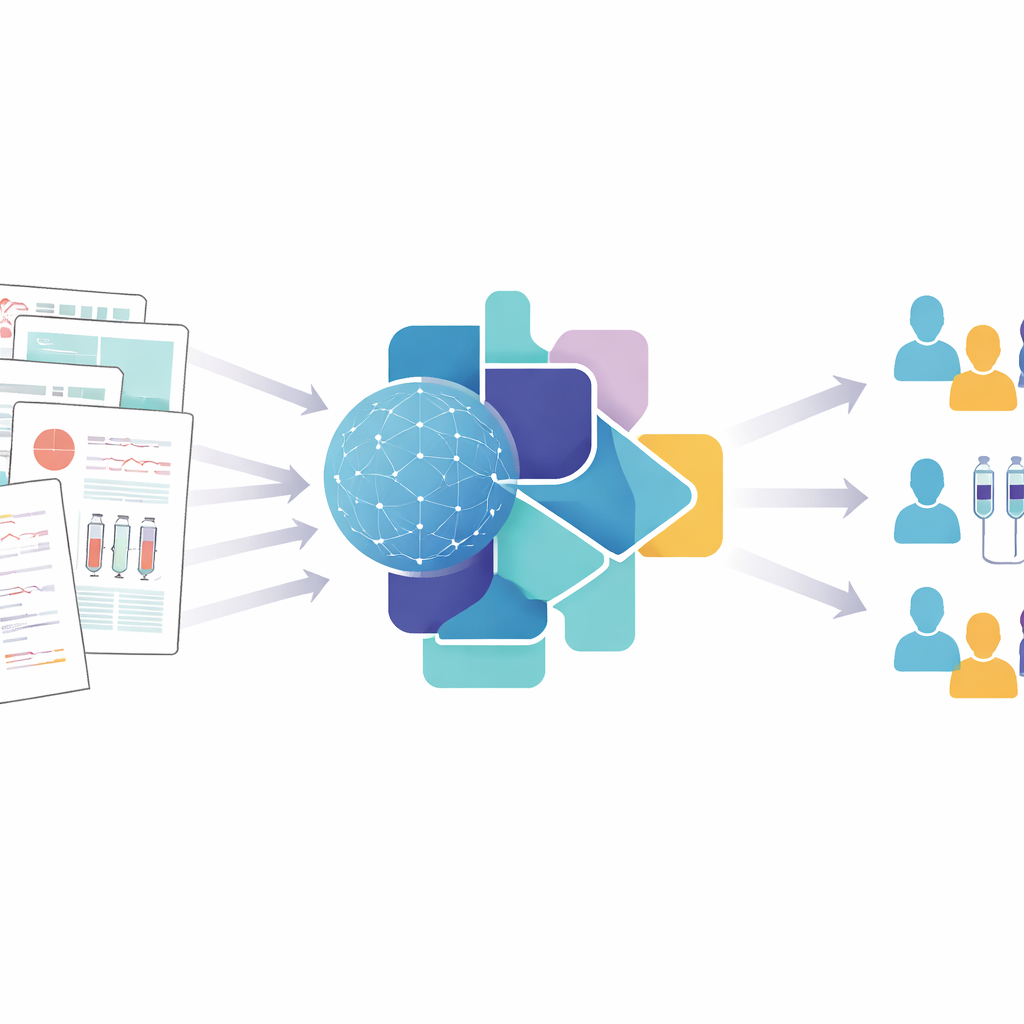
Traditionally, trial matching depends on doctors and research staff reading charts by hand, interviewing patients, and entering information into spreadsheets. While this allows for expert judgment, it is slow, inconsistent, and difficult to scale. Newer electronic methods use health records, registries, and automated alerts to flag possible matches. Artificial intelligence tools go further by scanning huge volumes of clinical notes, lab results, and genomic reports to suggest suitable trials. Large language models—the same family of systems that power advanced chatbots—can turn unstructured text into structured data and help sift through complex eligibility rules. The review compares “zero‑shot” use of generic models with more specialized approaches that combine retrieval of trusted medical information, carefully chosen examples, and models fine‑tuned on cancer-specific documents.
How smart tools and clinicians can work together
The authors argue that the most promising solutions are hybrid: computers do the heavy lifting of reading vast amounts of data, but clinicians remain in charge of final decisions. In this vision, AI systems continuously scan records, interpret lab trends and biomarkers, and propose likely trial matches, while clearly showing why a patient was included or excluded. Human experts then review, confirm, or override those suggestions, ensuring safety and fairness. The article stresses the need for high-quality data, protection of patient privacy, clear explanations instead of “black box” answers, and performance measures that track not just accuracy and speed but also diversity and cost.
What this means for the future of cancer care
In closing, the authors see better pre‑screening and screening tools as essential to speeding cancer research and widening access to innovative treatments. They envision trial-matching systems that recognize the difference between biological and calendar age, factor in subtle markers of fitness and side‑effect risk, and recheck changing lab results over time. If carefully designed and validated, AI‑driven, human‑supervised frameworks could make it easier for the right patients to find the right trials at the right moment—reducing wasted effort, improving fairness, and bringing effective cancer therapies to the clinic more quickly.
Citation: Horgan, D., Paulson, J.N., Loaiza-Bonilla, A. et al. A unified framework for pre-screening and screening tools in oncology clinical trials. npj Precis. Onc. 10, 143 (2026). https://doi.org/10.1038/s41698-026-01306-3
Keywords: cancer clinical trials, trial matching, artificial intelligence, precision oncology, patient enrollment