Clear Sky Science · en
Development, psychometric validation, and correlates of the 15-item quality of life in epilepsy scale (QOLIE-15)
Why This Matters for Everyday Life
For many people with epilepsy, life is shaped by much more than seizures alone. Medications, memory problems, anxiety, and worries about social judgment can all weigh heavily on day‑to‑day wellbeing. This study introduces a short, easy‑to‑use questionnaire that helps doctors and researchers capture how people with epilepsy are really doing in their daily lives, beyond what brain scans and seizure counts can show.
A Short Tool for a Complex Condition
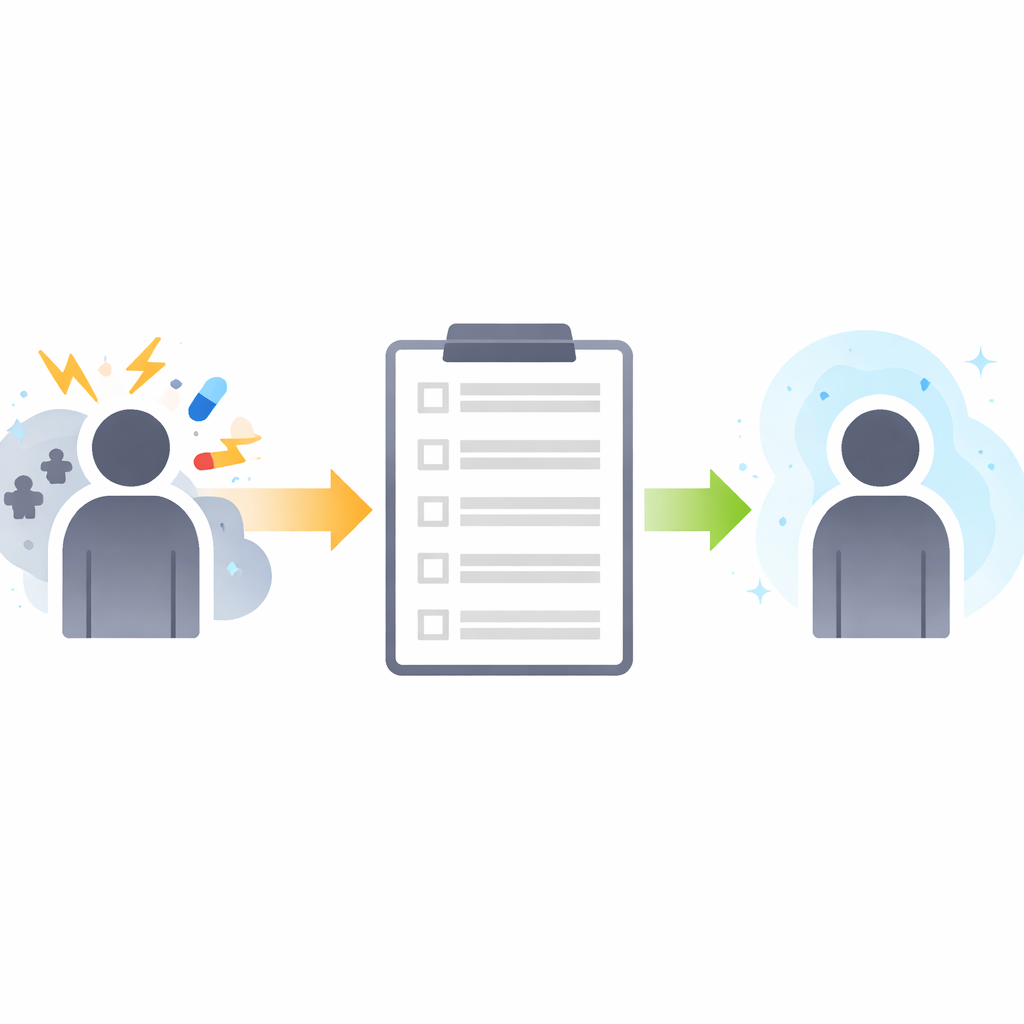
Existing questionnaires about life with epilepsy tend to be either long and tiring or too brief to capture the full picture. The researchers set out to design a middle‑ground option: a 15‑question scale called QOLIE‑15. It was built by carefully selecting and combining the most informative questions from several well‑known tests about mood, thinking, side effects, and daily functioning. The goal was to create a form that patients can complete quickly, that health workers can score easily, and that still reflects the many ways epilepsy affects life.
Listening to Patients in a Time of Crisis
The study took place in Lebanon, a country facing severe economic and health‑system strain, where getting regular epilepsy care and medicines can be especially difficult. The team interviewed 649 adults with epilepsy across pharmacies and a primary health center. In addition to the new QOLIE‑15, participants answered questions about their age, work, income, housing, access to care, seizure control, medication side effects, memory and concentration, anxiety, and feelings of being judged or rejected because of their illness. This broad picture allowed the researchers to see not only whether the new tool worked, but also which life conditions most strongly shaped people’s wellbeing.
Testing How Well the New Scale Works
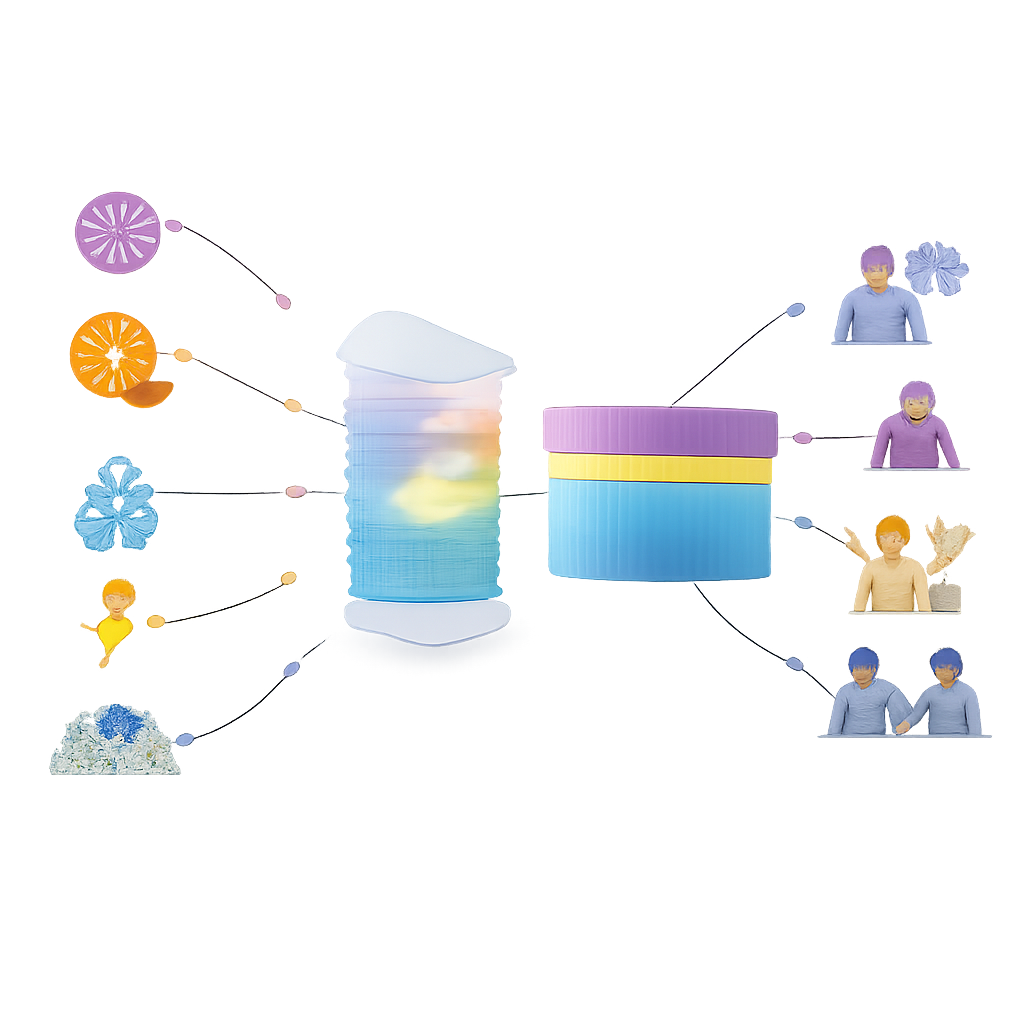
To make sure the 15 questions truly worked together, the researchers split the patient group in half and used one half to uncover patterns in how items clustered, then the other half to confirm those patterns. They found that the questions fell into five clear themes: thinking and memory, mood, treatment side effects, worry about seizures, and social life. Statistical tests showed that the scale was very consistent and stable, and that it measured the same thing in men and women, in people with different types of seizures, and in those with well‑controlled versus poorly controlled seizures. Scores on the short QOLIE‑15 lined up closely with a much longer standard questionnaire, and the new scale could accurately sort people into higher or lower quality‑of‑life groups.
What Most Damages Daily Life
With a reliable tool in hand, the team examined which factors most strongly pulled quality‑of‑life scores down. They found that people who still had ongoing seizures, who suffered more from medication side effects, and who lived in more crowded homes tended to report worse lives. Feelings of stigma—of being looked down on or treated differently because of epilepsy—also had a strong impact, as did anxiety and everyday thinking problems such as forgetfulness or trouble concentrating. By contrast, having full coverage for epilepsy medicines and easier access to health care were linked with better scores, underlining how financial and system barriers can shape health far beyond the clinic.
What This Means for People with Epilepsy
In simple terms, the QOLIE‑15 offers a quick way to put patients’ voices at the center of epilepsy care. Instead of focusing only on whether seizures are happening, it highlights how people feel, think, and function in their homes and communities. The study shows that good epilepsy care must go beyond controlling seizures: it should also aim to reduce drug side effects, ease anxiety, fight stigma, and improve access to affordable treatment. Used in clinics and studies, this 15‑question tool can help guide those efforts and track whether they are truly improving the lives of people living with epilepsy.
Citation: Dabbous, M., Sakr, F., Salameh, P. et al. Development, psychometric validation, and correlates of the 15-item quality of life in epilepsy scale (QOLIE-15). Sci Rep 16, 10678 (2026). https://doi.org/10.1038/s41598-026-46379-z
Keywords: epilepsy, quality of life, patient-reported outcomes, mental health, stigma