Clear Sky Science · en
Aescin and rutin mitigate hyperthyroidism-induced multisystem dysfunction via antioxidant and anti-inflammatory mechanisms in a rat model
When an Overactive Gland Affects the Whole Body
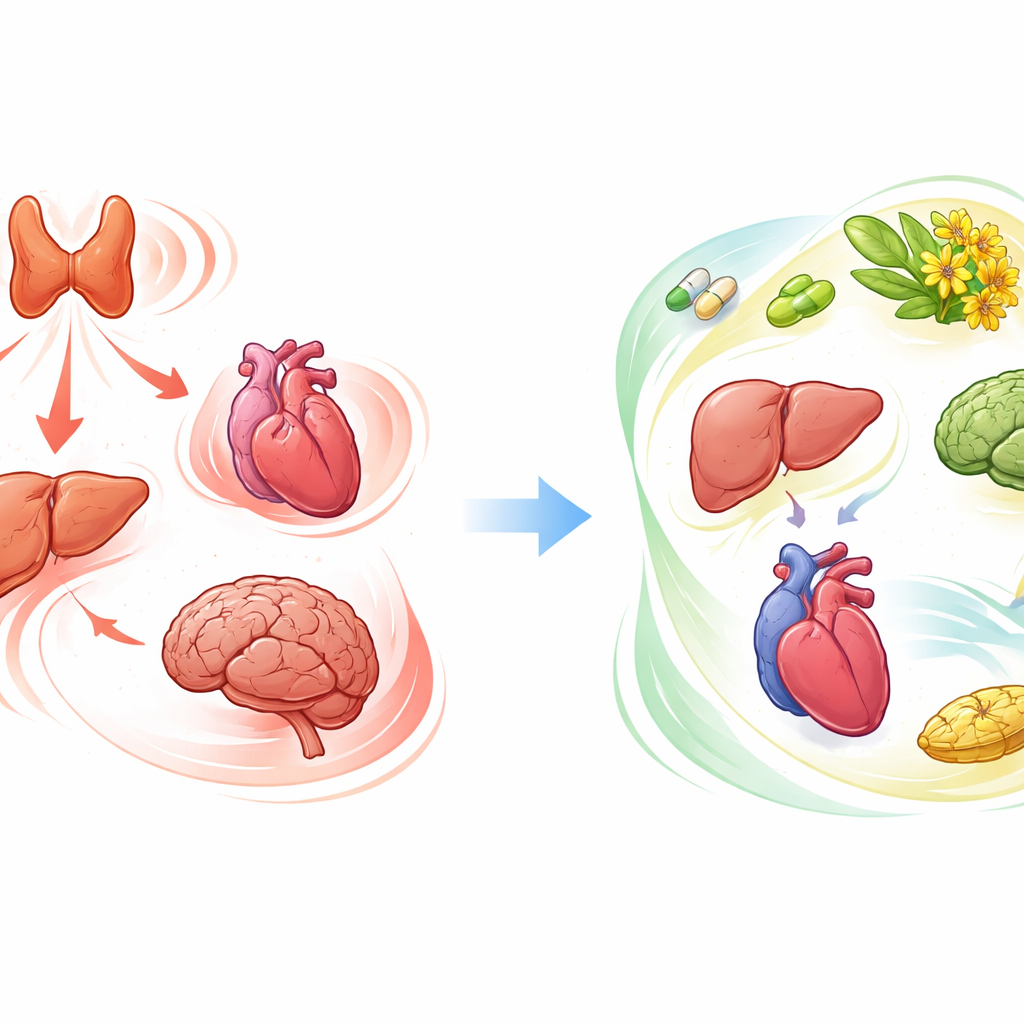
Hyperthyroidism—when the thyroid gland pumps out too much hormone—doesn’t just cause a racing heart and weight loss. It can quietly strain the liver, heart, blood sugar control, and even the brain. Standard drugs help dial down hormone production but may bring side effects and do little for the underlying damage. This study in rats asks a practical question: can natural plant compounds, used alongside or instead of a common thyroid drug, better shield the body from this wide‑ranging stress?
Plant Helpers from Horse Chestnut and Fruits
The researchers focused on two natural substances: aescin, a saponin from horse chestnut seeds, and rutin, a flavonoid found in many fruits and vegetables. Both are known for strong antioxidant and anti‑inflammatory actions and for protecting organs such as the liver and heart in other disease models. The team induced a hyperthyroid state in rats by giving high doses of thyroid hormone, then treated different groups with the standard drug propylthiouracil (PTU), aescin, rutin, or combinations of PTU with each plant compound. They then measured thyroid hormones, blood fats, blood sugar and insulin, markers of inflammation, and signals of heart, liver, and brain stress, and examined tissues under the microscope.
Calming Hormones and Improving Blood Chemistry
In untreated hyperthyroid rats, thyroid hormones shot up and the brain hormone that drives the thyroid dropped sharply, mirroring what happens in human hyperthyroidism. Blood tests also showed a more dangerous cholesterol pattern, higher blood sugar, and signs of insulin resistance—all of which raise the risk of heart disease and diabetes. Liver enzymes leaked into the bloodstream, suggesting liver strain, and markers released from heart muscle were elevated, hinting at cardiac injury. When the rats received PTU, rutin, or aescin, thyroid hormone levels moved back toward normal. Aescin, especially when combined with PTU, was most effective at restoring a near‑normal hormone balance. The same treatments also improved cholesterol, triglycerides, and blood sugar, with aescin again generally outperforming rutin and PTU alone.
Protecting Liver, Heart, and Brain from Hidden Damage
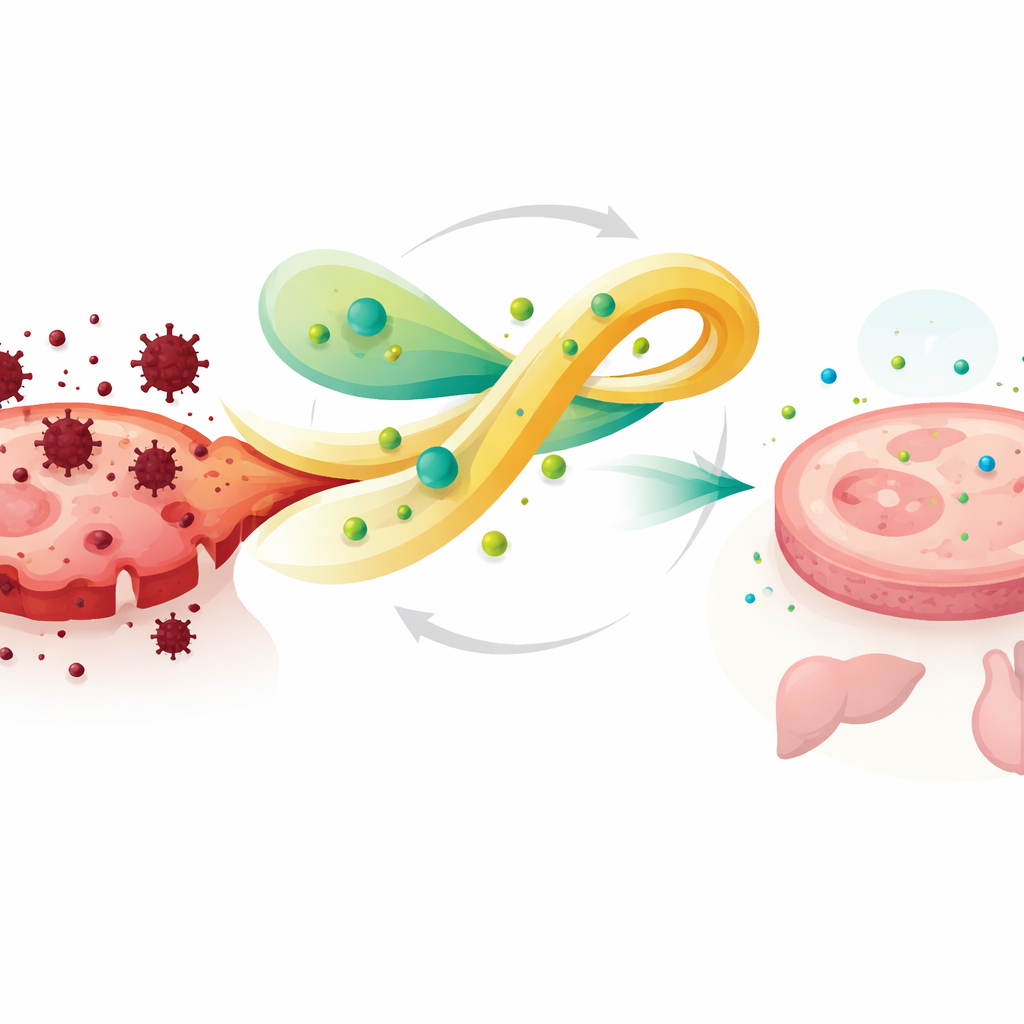
Hyperthyroidism also stirred up inflammation and oxidative stress—an imbalance between harmful reactive molecules and the body’s defenses. In the hyperthyroid rats, inflammatory messengers in the blood were elevated, and tissues from the liver and heart showed reduced antioxidant capacity and more products of lipid damage. Under the microscope, livers contained large fat droplets and extra immune cells, while hearts showed widened spaces and blood leakage between muscle fibers; the pancreas developed fluid‑filled spaces, and brain‑related markers signaled disturbed nerve signaling. Treatment with aescin or rutin lowered inflammatory messengers, boosted overall antioxidant capacity, and reduced signs of oxidative injury. Tissues from treated rats looked far closer to normal, with fewer fat deposits in the liver, healthier heart muscle structure, and improved pancreatic appearance. Brain‑related measures, such as an enzyme important for nerve communication and circulating dopamine, also shifted back toward healthier levels, suggesting a degree of neuroprotection.
Why Aescin Stands Out
Although all three treatments helped, aescin consistently gave the strongest and broadest protection. On its own, it improved thyroid hormones, liver and heart enzymes, cholesterol, blood sugar, and antioxidant status more than rutin or PTU alone. When paired with PTU, aescin produced the closest return to normal across most measures, and it was particularly effective at easing heart stress and dialing down a protective stress protein in the heart that had been overactivated by hyperthyroidism. The authors suggest that aescin’s combined antioxidant and anti‑inflammatory actions, along with possible direct effects on thyroid hormone production and processing, may explain this advantage.
What This Could Mean for People
This work was done in rats, so it does not yet prove that aescin or rutin can safely treat hyperthyroidism in people. Nonetheless, it offers a clear message in simple terms: when the thyroid is overactive, much of the harm appears to come from runaway oxidative and inflammatory stress across multiple organs, and targeted plant compounds can meaningfully blunt that damage. Aescin, in particular, behaved like a powerful shield when added to standard drug therapy. Future clinical studies will be needed, but the findings point toward a future in which carefully chosen natural compounds might complement conventional antithyroid drugs to better protect the heart, liver, metabolism, and brain during treatment.
Citation: Makadi, M.A., Ibrahim, I.A., Bahr, H.I. et al. Aescin and rutin mitigate hyperthyroidism-induced multisystem dysfunction via antioxidant and anti-inflammatory mechanisms in a rat model. Sci Rep 16, 10547 (2026). https://doi.org/10.1038/s41598-026-46124-6
Keywords: hyperthyroidism, aescin, rutin, oxidative stress, organ protection