Clear Sky Science · en
Determinants of healthcare utilisation among post-COVID syndrome patients: a population-based study in Malaysia
Why this matters for everyday life
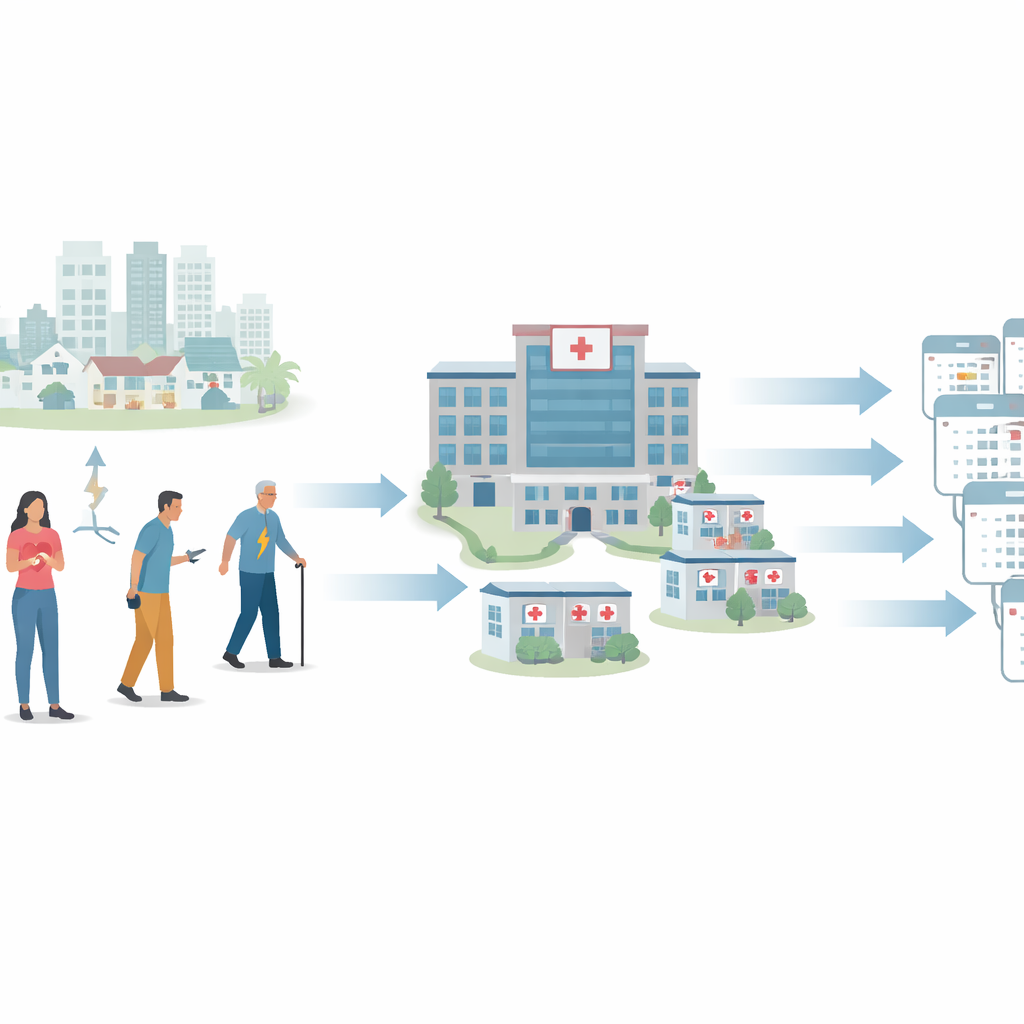
For many people, recovering from COVID-19 has not meant a full return to health. Months after the initial infection, some continue to feel exhausted, short of breath or in pain—a condition often called long COVID or post-COVID syndrome (PCS). This study from Selangor, Malaysia, looks at which people with lingering symptoms are most likely to keep returning to clinics and hospitals. Understanding these patterns can help health systems plan services and ensure that those most in need receive timely support.
Lingering illness after the virus is gone
Post-COVID syndrome is defined as having COVID-related symptoms that last more than 12 weeks and cannot be explained by another disease. While global estimates suggest that roughly four in ten COVID survivors may develop PCS, research from Malaysia has been limited. In Selangor—the state with the highest numbers of infections—doctors at the Hospital Sungai Buloh rehabilitation center noticed many former patients still struggling months or years after their acute illness. The researchers set out to describe who these patients are, what symptoms they have, how they feel about their health, and how often they seek medical care.
Who the patients are and what they feel
The team surveyed 220 adults with PCS who were attending follow-up visits at the CROSS clinic between August and November 2023. Most were in their early fifties on average, and about three out of five were men. Many had at least one chronic condition such as high blood pressure or diabetes. The most commonly reported lingering symptom was fatigue, affecting about one-third of patients, followed by muscle pain, cough, and breathlessness. Problems like insomnia, headache, anxiety, poor appetite and chest pain appeared in smaller but still important fractions. Using standard questionnaires, patients rated their quality of life as slightly worse than that of the general Malaysian population, but most did not report severe problems in daily activities, mood, or mobility.
How often patients return to clinics
To capture healthcare use, the researchers counted how many times each person visited outpatient clinics after their PCS diagnosis. On average, patients had just over three visits, with most coming two to four times during the study period. The team then tested a wide range of possible influences—including age, sex, existing illnesses, specific PCS symptoms, vaccination history, and self-rated health—using a statistical model to see which factors were most strongly linked to more frequent clinic visits.
Key signals that drive higher healthcare use
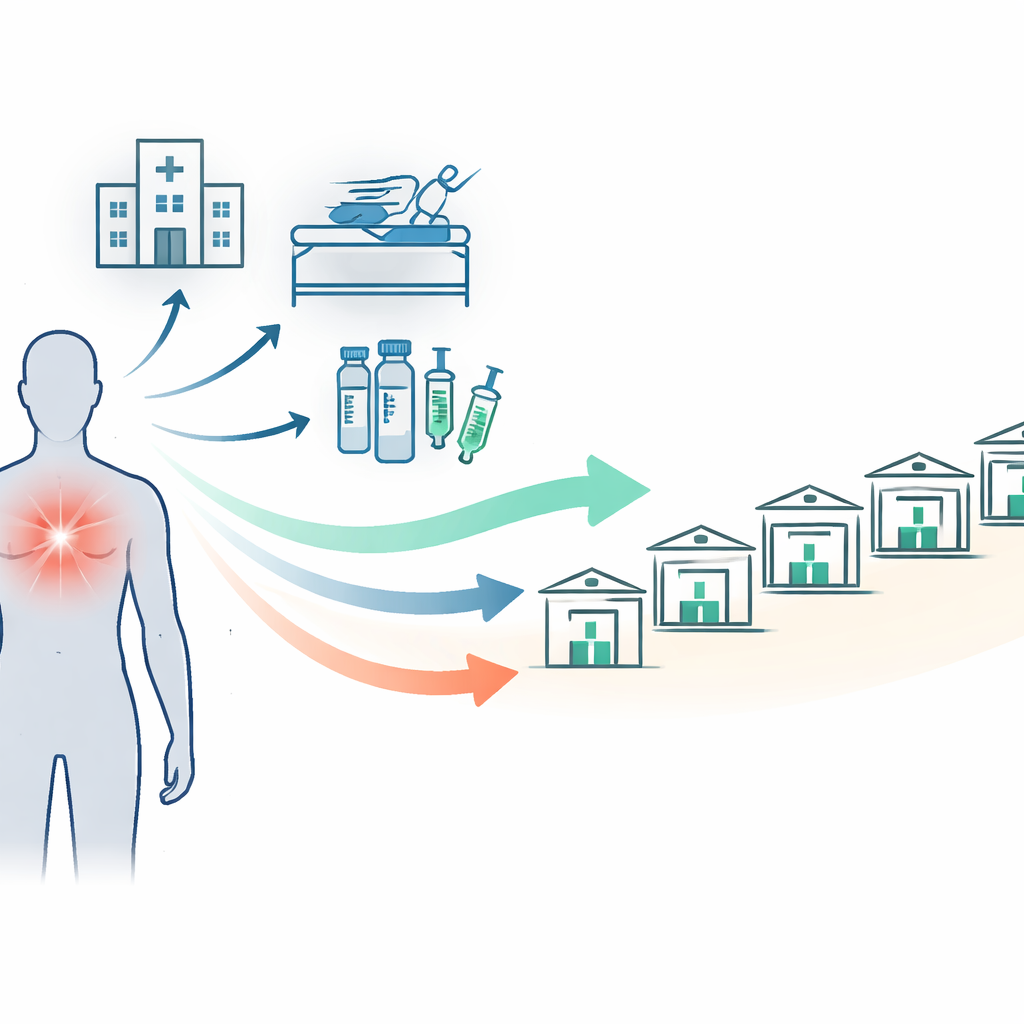
Several clear patterns emerged. Patients who had been more severely ill during their original COVID infection—those who were hospitalised or needed intensive care—were more likely to have a higher number of follow-up visits. Experiencing chest pain as a lingering symptom was also tied to greater clinic use, suggesting that both patients and doctors are especially cautious about possible heart or lung complications. Interestingly, people who had received more COVID-19 vaccine doses by the time of the study also tended to visit clinics more often. This does not mean that vaccines cause PCS; more likely, those who remain under close medical care are also more likely to be fully vaccinated. Finally, patients who rated their current health as poorer on a simple 0–100 scale were the ones using services more frequently, which fits with the idea that those who feel worse seek more help.
What this means for patients and health planners
Overall, the study shows that a history of severe COVID-19 illness, ongoing chest pain, lower self-rated health, and higher current vaccination coverage together help explain about one quarter of the differences in how often Malaysian PCS patients use outpatient services. For ordinary readers, the message is that long COVID is real, and people who were very sick or still feel chest discomfort may need regular follow-up care. For health planners, these findings highlight which groups are most likely to rely heavily on clinics and hospitals, pointing to the need for dedicated long COVID pathways, better monitoring of high-risk patients, and careful planning of staff and resources so that the healthcare system can support both PCS sufferers and the wider community.
Citation: Sha’ari, N.I., Ismail, A., Sk Abd Razak, R. et al. Determinants of healthcare utilisation among post-COVID syndrome patients: a population-based study in Malaysia. Sci Rep 16, 10574 (2026). https://doi.org/10.1038/s41598-026-46021-y
Keywords: long COVID, post-COVID syndrome, healthcare utilisation, Malaysia, quality of life