Clear Sky Science · en
Antioxidant, anticoccidial, and toxicological evaluation of Ocimum gratissimum and Vernonia amygdalina leaf extracts against Eimeria spp
Why farmers and families should care
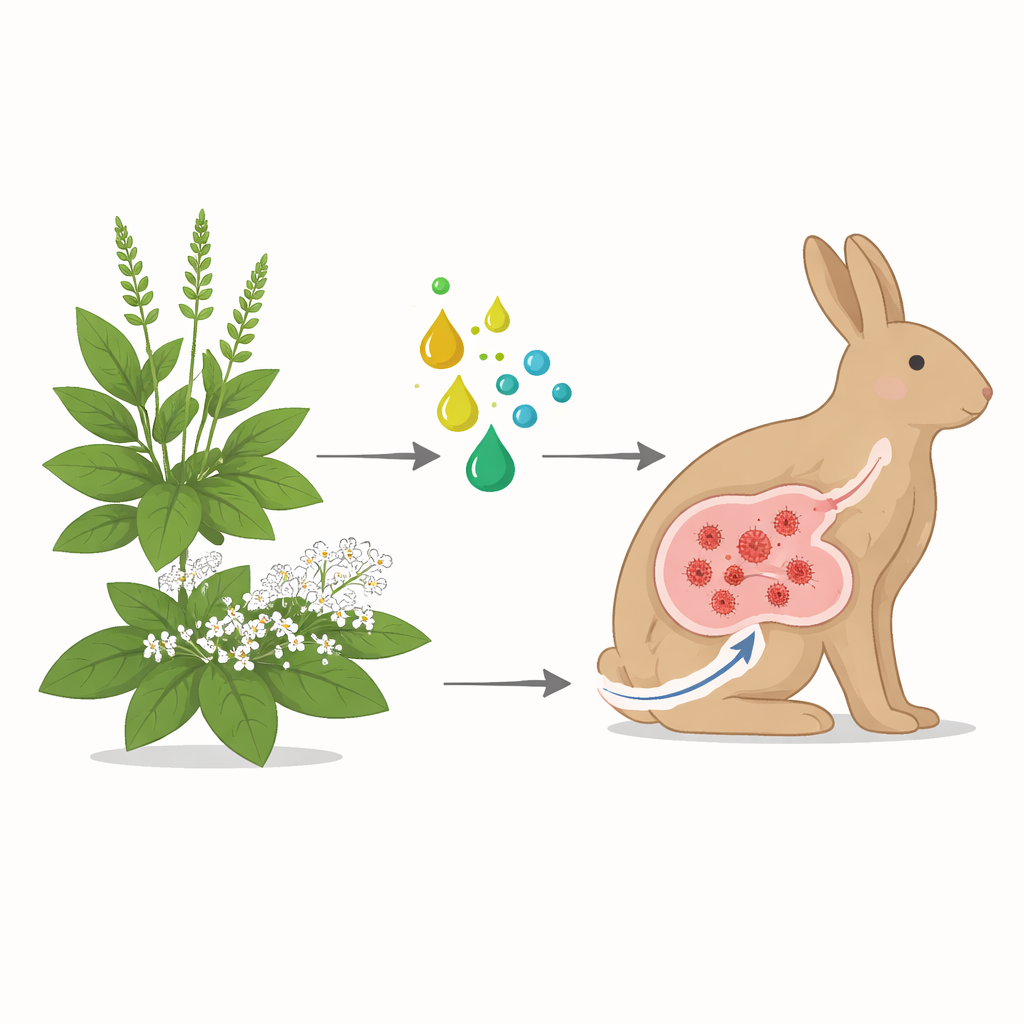
Coccidiosis, a gut disease caused by microscopic parasites, silently drains money from rabbit and poultry farms around the world. It slows growth, damages animal welfare, and forces farmers to rely on chemical drugs that can leave residues in meat and drive drug resistance. This study explores whether two familiar medicinal plants, often used in African home remedies—Ocimum gratissimum (scent leaf) and Vernonia amygdalina (bitter leaf)—can offer a safer, plant-based way to fight these parasites while also protecting animals from internal stress caused by harmful molecules called free radicals.
Plants with healing potential
The researchers began by carefully collecting and drying leaves of the two plants, then preparing water-based and hydroacetonic (water plus acetone) extracts. They looked for families of natural chemicals already known to support health, such as tannins, flavonoids, and saponins. Both plants were rich in tannins and flavonoids, compounds often linked to antioxidant and antimicrobial effects. Bitter leaf stood out by also containing substantial saponins, which can disturb parasite cell membranes and influence the animal’s immune system. Overall, the chemical profiles suggested that these leaves hold more than just culinary or folk-medicine value—they contain a toolkit of molecules that might tackle infection and protect tissues at the same time.
Fighting damaging molecules in the body
To test antioxidant power, the team used a standard laboratory assay in which plant compounds neutralize a stable free radical, acting a bit like rust remover inside the body. Both plants showed meaningful antioxidant activity, especially when extracted with the hydroacetonic mixture, which pulls out more of the fat-loving phenols and flavonoids. Although pure vitamin C was still stronger, the extracts worked at relatively low doses and produced reliable, repeatable results. This suggests that, beyond fighting parasites, these leaves could help animals cope with the oxidative stress that accompanies infections and intensive farming, potentially supporting better overall health and resilience.
Disarming gut parasites in the lab
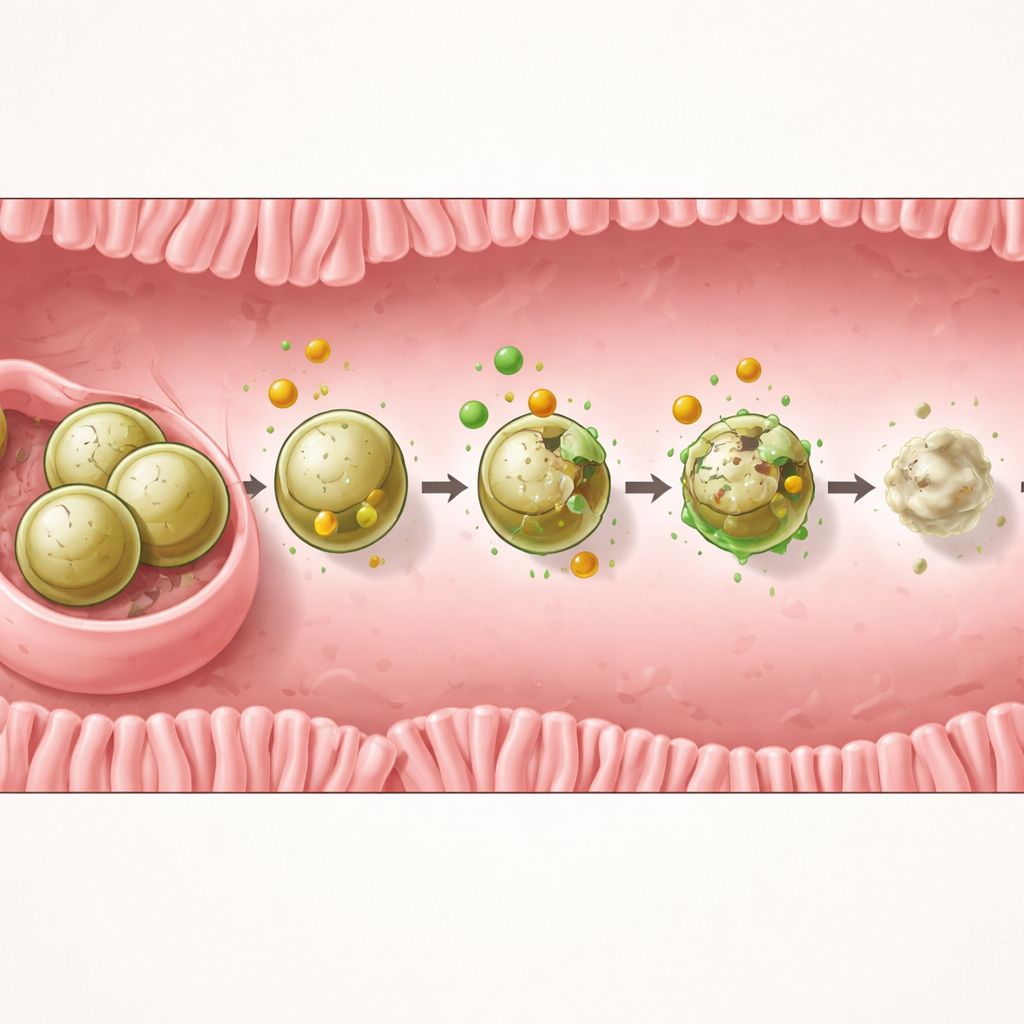
The heart of the study focused on two common rabbit parasites, Eimeria magna and Eimeria media. These organisms spread through hardy eggs (oocysts) that must mature, or sporulate, before becoming infectious. In dishes, the scientists exposed immature oocysts and released parasite stages (sporozoites) to different extract concentrations. As doses rose, the ability of oocysts to complete their development dropped sharply, and many sporozoites lost viability. Hydroacetonic extracts were consistently more potent than water extracts, and bitter leaf usually outperformed scent leaf. At the highest levels, bitter leaf extract nearly matched or equaled a strong chemical disinfectant and a commercial anticoccidial drug, indicating that these common plants can directly interfere with parasite development and survival.
Checking for hidden harms
Powerful plant remedies can sometimes be toxic, so the team carefully examined safety. First, they exposed tiny brine shrimp larvae to a range of extract doses; survival remained high, placing all extracts in the “nontoxic” category. Next, rats received a single large oral dose of the more concentrated hydroacetonic extracts and were monitored for two weeks. The animals ate normally, gained weight, and showed no obvious signs of distress. Blood tests revealed only mild changes, and liver and kidney tissues, examined under the microscope, kept their normal architecture with only subtle, reversible-looking alterations. Together, these findings indicate that, at doses far above those needed to see antiparasitic action in vitro, the extracts do not produce major acute toxicity.
What this means for everyday farming
In plain terms, the study shows that extracts from bitter leaf and scent leaf can strongly slow or stop the development of rabbit coccidia in laboratory tests, while also acting as useful antioxidants and remaining gentle to test animals and larvae. Bitter leaf, in particular, emerges as the more powerful option. Although these results come mainly from controlled lab settings rather than full farm trials, they support the idea that well-prepared plant extracts could one day help farmers reduce reliance on synthetic anticoccidial drugs, cut the risk of drug residues in meat, and manage disease in a more sustainable way. With further work to pinpoint the exact active molecules and confirm benefits in live animals, these familiar garden plants could become key allies in protecting livestock health.
Citation: Konmy, B., Dansou, C.C., Dègla, L. et al. Antioxidant, anticoccidial, and toxicological evaluation of Ocimum gratissimum and Vernonia amygdalina leaf extracts against Eimeria spp. Sci Rep 16, 10691 (2026). https://doi.org/10.1038/s41598-026-45623-w
Keywords: coccidiosis, medicinal plants, rabbit health, natural antiparasitics, Vernonia amygdalina