Clear Sky Science · en
Differential microRNA expression profiles and predicted miRNA–mRNA regulatory networks in human macrophage-like cells infected with Leishmania infantum
Invisible messages in a tropical disease
Leishmaniasis is a parasitic disease spread by sand flies that can cause anything from skin sores to deadly infections of internal organs. The parasites live and multiply inside our immune cells, especially macrophages, which normally kill invading microbes. This study explores how the parasite Leishmania infantum tampers with tiny RNA molecules inside human macrophage-like cells, subtly rewiring the cells’ behavior in ways that may help the parasite survive.
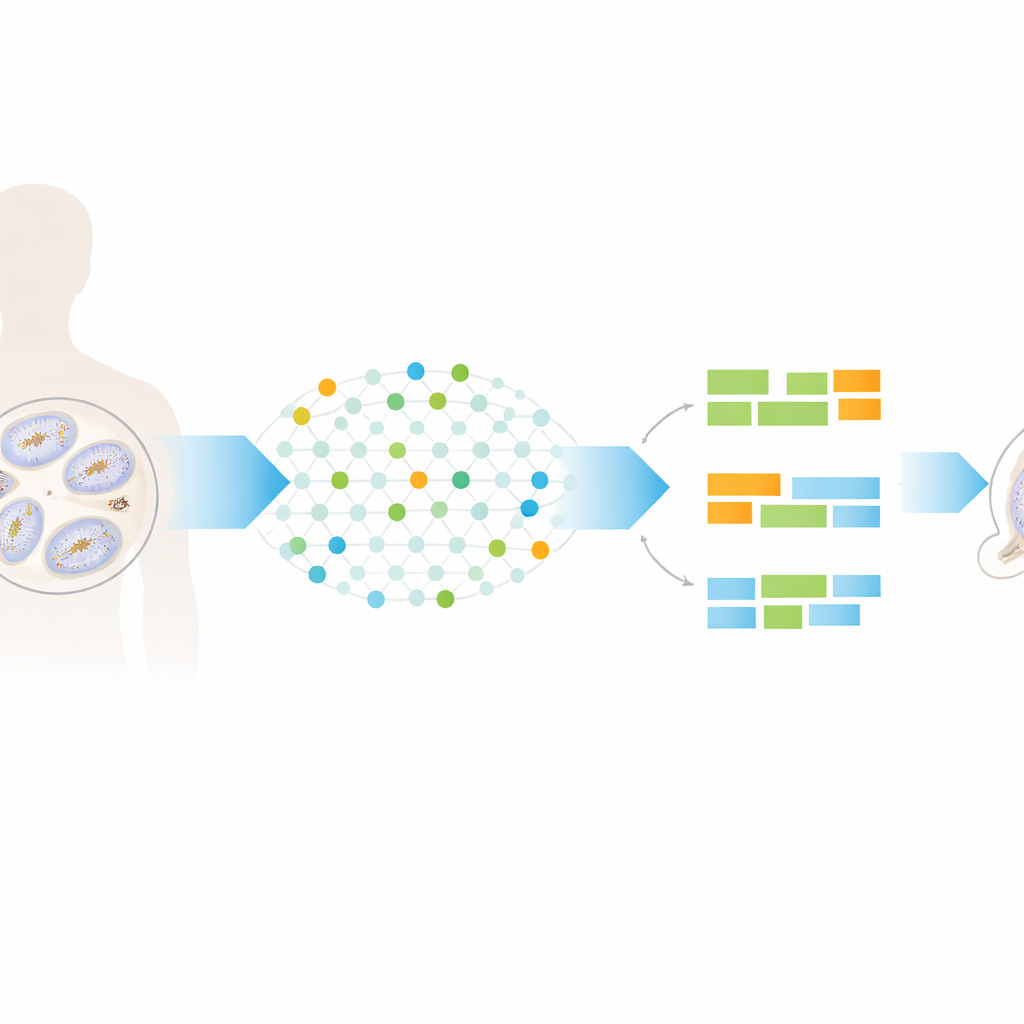
How the parasite talks to our cells
Inside an infected person, Leishmania parasites take shelter in macrophages, turning these defenders into safe houses. The authors focused on microRNAs, very short pieces of RNA that do not make proteins themselves but act as “dimmer switches” for hundreds of genes. By increasing or decreasing specific microRNAs, the parasite may be able to change whole gene networks at once. To study this, the team infected a human monocytic cell line, U937, which had been turned into macrophage-like cells in the lab, and then examined which microRNAs changed after 24 and 48 hours using high-throughput sequencing.
Shifting patterns of tiny regulators
The researchers found dozens of microRNAs whose levels rose or fell after infection. Some changes were stable over time, while others flipped direction between 24 and 48 hours, showing that the parasite’s impact on the host cell is dynamic. A subset of microRNAs known to shape immune activity—sometimes called “immunomiRs”—were among those altered. Together, these molecules are linked to whether macrophages adopt a more inflammatory, microbe-killing mode or a more regulating, wound-healing mode. In the infected cells, the overall microRNA pattern suggested a finely balanced mixture of pro- and anti-inflammatory signals rather than a strong shift to one extreme.
Rewiring gene networks and master switches
MicroRNAs act mainly by binding to messenger RNAs, marking them for degradation or blocking their use, and thus controlling protein production. The authors combined their new microRNA data with their earlier measurements of which messenger RNAs changed in the same infected cells. Using an integrative prediction tool, they built interaction networks linking each altered microRNA to its likely gene targets. Between one quarter and almost half of the genes that changed after infection were predicted to be influenced by these altered microRNAs. Strikingly, genes encoding transcription factors—master switches that control many other genes—were especially enriched among the predicted targets. Several transcription factors tied to inflammatory responses, stress defenses, and cell metabolism appeared to sit at the crossroads of many microRNA signals, hinting that changing a small number of microRNAs could reshape the whole macrophage program.
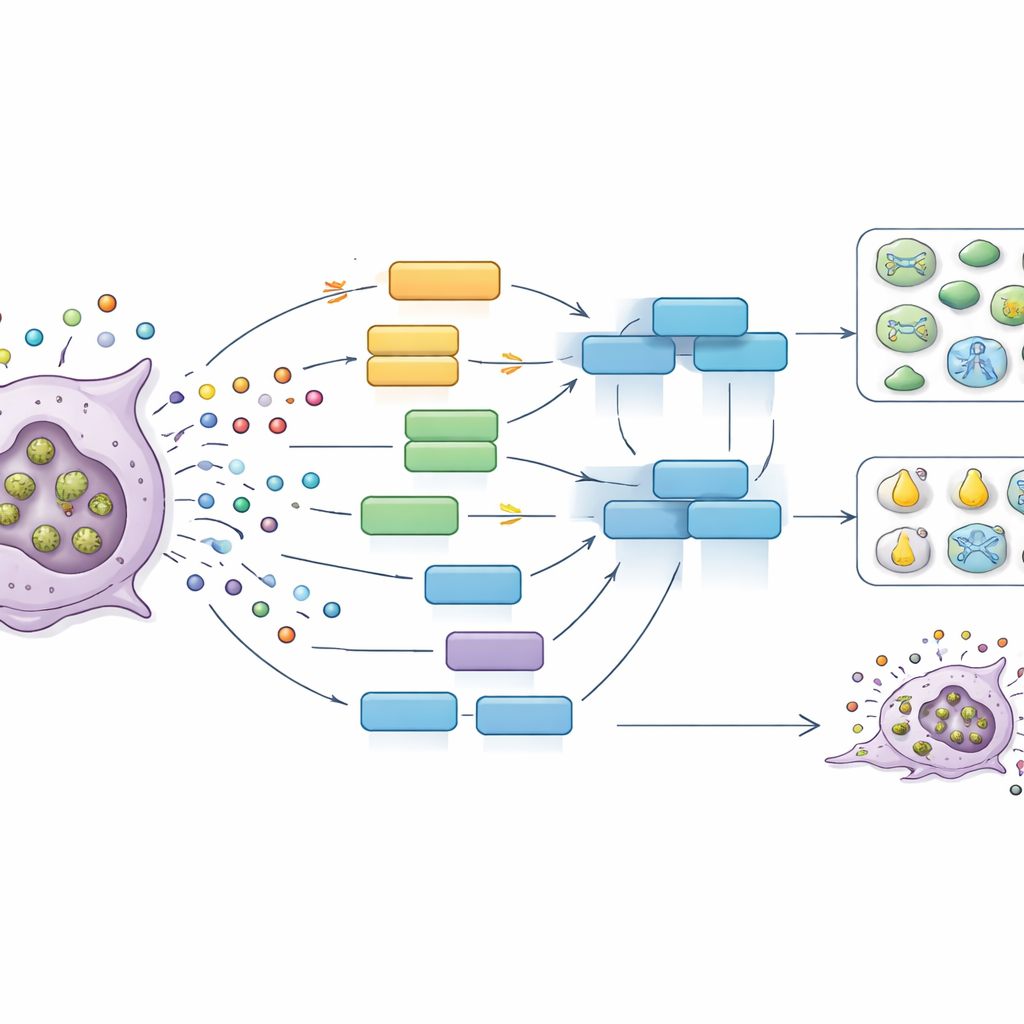
Metabolism and stress: changing the cell’s landscape
Beyond immune signaling, the study highlights how altered microRNAs may help Leishmania reshape the cell’s internal environment. Many genes involved in cholesterol and lipid metabolism were turned down, and network analysis suggested that multiple upregulated microRNAs converge on these pathways. Cholesterol levels in macrophages are known to affect how well they display parasite fragments to other immune cells; lowering cholesterol can weaken this process and favor parasite survival. Other clusters of genes linked to blood vessel growth signals (the VEGF–VEGFR2 pathway) and to antioxidant and stress responses controlled by the NFE2L2 protein also appeared under microRNA influence. In each case, several microRNAs and transcription factors formed dense webs of predicted interactions, pointing to multi-layered control rather than simple one-to-one effects.
Why these findings matter
By mapping how a neglected tropical parasite reshapes microRNA networks in human macrophage-like cells, this work suggests that a surprisingly small toolkit of tiny RNAs can orchestrate large-scale changes in immunity and metabolism. Because many of the affected microRNAs and transcription factors sit at key regulatory hubs, they might be turned into therapeutic targets: synthetic molecules could be designed either to mimic protective microRNAs or to block harmful ones, with the goal of restoring the macrophage’s ability to kill Leishmania. The authors stress that their results come from a simplified cell model and rely on computational predictions that now need experimental testing. Even so, the study offers a detailed map of candidate microRNA–gene relationships that may underlie how Leishmania infantum quietly takes control of its host cells.
Citation: Diotallevi, A., Buffi, G., Maestrini, S. et al. Differential microRNA expression profiles and predicted miRNA–mRNA regulatory networks in human macrophage-like cells infected with Leishmania infantum. Sci Rep 16, 10864 (2026). https://doi.org/10.1038/s41598-026-45026-x
Keywords: Leishmania, microRNA, macrophages, host–pathogen interaction, gene regulation