Clear Sky Science · en
The role of comorbidity and frailty in shaping the burden of atrial fibrillation: a multinational cross-sectional survey
Why this matters for everyday life
Many older adults live with a heart rhythm problem called atrial fibrillation, often alongside other long-term illnesses. This mix of conditions can drain energy, limit movement, and make day‑to‑day health care feel like a full‑time job. This study asked older people across several European countries how living with atrial fibrillation, other chronic diseases, and age‑related weakness affects their quality of life, their biggest struggles in managing health, and what outcomes matter most to them.
Understanding the mix of illnesses and weakness
The researchers focused on two overlapping ideas. One is “comorbidity,” meaning having several chronic diseases at the same time, such as high blood pressure, kidney disease, or diabetes. The other is “frailty,” a state of reduced strength and resilience that makes people more vulnerable to stress, illness, and loss of independence. While many people with frailty also have multiple diseases, the two are not identical. The team wanted to know how different combinations of these two factors shape daily life for people with atrial fibrillation.
How the study was carried out
Within the European AFFIRMO project, 659 adults with atrial fibrillation and at least one other long‑term condition completed an online survey. Their median age was 72 years, and just over half were women. Frailty was measured with a short questionnaire asking about tiredness, ability to climb stairs and walk, recent weight loss, and number of illnesses. Quality of life was rated using a standard tool that covers movement, self‑care, daily activities, pain, and mood, along with a simple health rating scale. Participants were grouped into six categories based on whether they were not frail, in an intermediate “pre‑frail” phase, or frail, and whether they had fewer than three or three or more chronic conditions. They also reported what made health management difficult and which health outcomes they valued most.
What the survey revealed about daily life
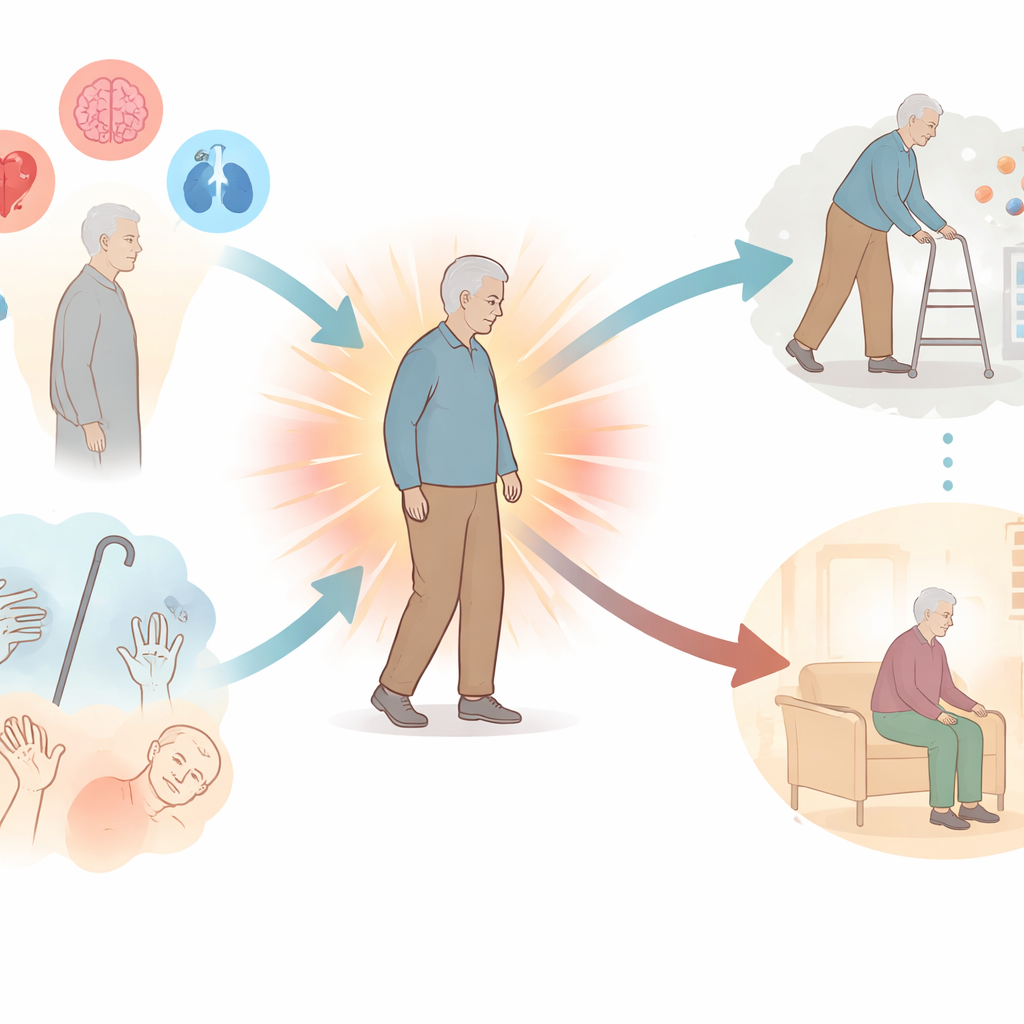
People who were either not frail or only pre‑frail and had fewer other illnesses reported the best quality of life. In contrast, those who were pre‑frail or frail and also had three or more chronic conditions rated their health the worst and reported more problems in every area: moving around, caring for themselves, doing usual activities, pain, and mental well‑being. Interestingly, having many illnesses without frailty and being frail with fewer illnesses were linked to a similar drop in quality of life. This suggests that both a heavy disease load and frailty on their own can seriously affect how people feel and function, and when they occur together the impact is even greater.
The hidden workload of staying healthy
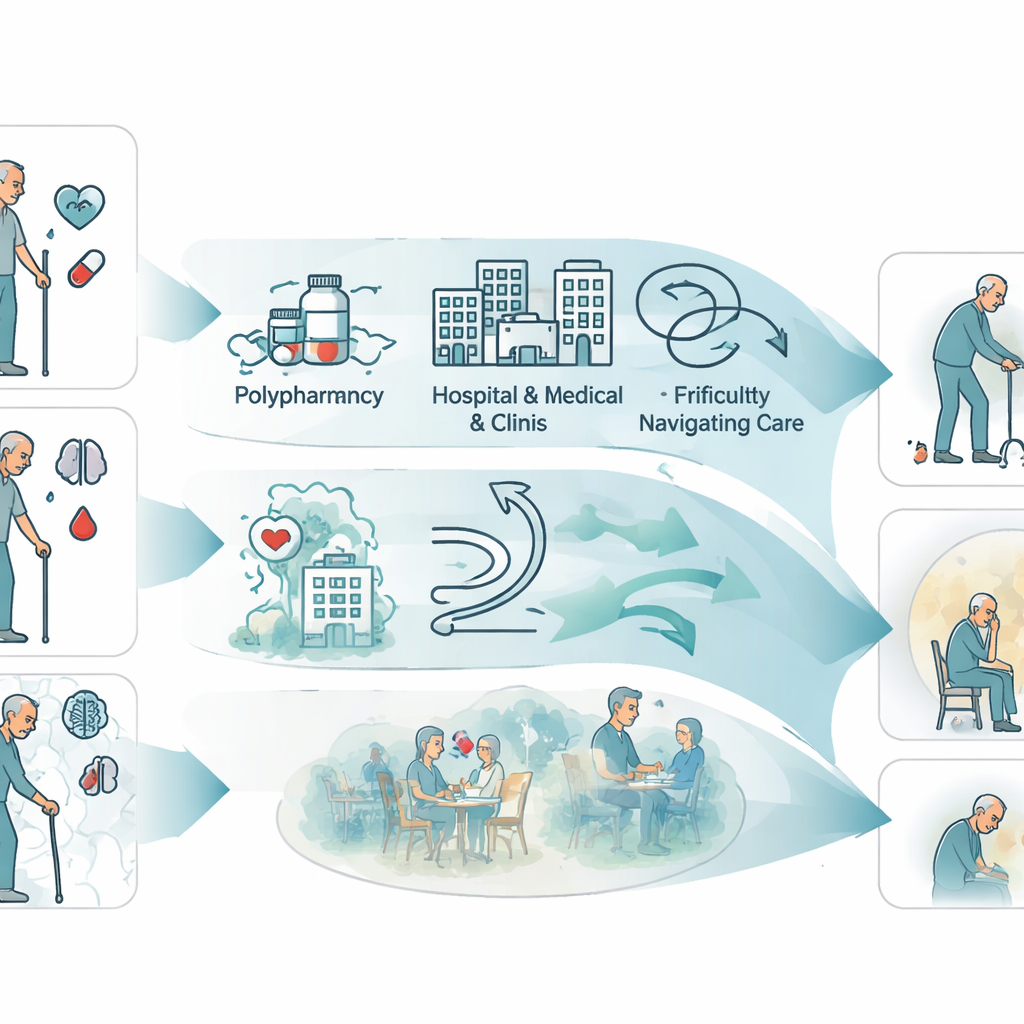
Across all groups, some challenges repeated: difficulty seeing or contacting doctors, juggling many medications, and anxiety about health. People with three or more chronic conditions, regardless of whether they were frail, were especially likely to report a heavy schedule of medical visits, more pills to take, and greater need for help with getting around. Those with both frailty and many illnesses often needed assistance with daily tasks and mobility, signaling loss of independence. By contrast, individuals with many illnesses but no frailty more often described the strain of managing their conditions largely on their own. Frailty alone, even with fewer illnesses, was more strongly tied to mental health concerns, such as worry and emotional distress.
What patients say they want most
When asked about their priorities, people living with atrial fibrillation were clear: they wanted a better quality of life, to remain independent, and to keep working or staying active in daily roles for as long as possible. Pain reduction or relief was especially important for those with many chronic conditions, in line with the higher rates of painful problems like osteoarthritis and chronic pain in these groups. People with fewer illnesses were more likely to emphasize keeping up social and leisure activities and reducing their reliance on the health‑care system. Those who were both frail and highly multi‑morbid tended to place less weight on social life, perhaps because their energy and focus were consumed by basic functioning and symptom control.
What this means for care
The study shows that both multiple illnesses and frailty independently erode quality of life for people with atrial fibrillation, and their combination is especially harmful. Counting diagnoses alone misses important aspects of vulnerability, while looking only at frailty overlooks the practical burden of managing many conditions and medications. The authors argue that routine assessment of both should become part of standard care. Doing so would help doctors identify distinct profiles of need, coordinate care across specialties, simplify treatment plans, and pay closer attention to pain, mood, and independence. In everyday terms, this means shifting from treating single diseases in isolation to supporting the whole person, so older adults with atrial fibrillation can maintain function, dignity, and a life that feels worth living.
Citation: Ravelli, A., Trevisan, C., Rivera-Caravaca, J.M. et al. The role of comorbidity and frailty in shaping the burden of atrial fibrillation: a multinational cross-sectional survey. Sci Rep 16, 10562 (2026). https://doi.org/10.1038/s41598-026-44800-1
Keywords: atrial fibrillation, frailty, multimorbidity, older adults, quality of life