Clear Sky Science · en
Mediating effect of social support between functional independence and quality of life among older adults with moderate to severe disabilities
Why this matters for aging families
As people live longer, more families find themselves caring for older relatives who can no longer move, wash, or dress independently. This study from Chengdu, China, asks a simple but pressing question: beyond medical care, what helps these older adults still feel that life is worth living? The researchers examined whether the everyday help and emotional backing people receive from family, friends, and community can buffer the impact of disability on their health and happiness.
Life with disability in an aging world
Across the globe, disability is becoming more common as populations age. The authors note that nearly half of people over 60 live with some form of disability, and hundreds of millions have moderate to severe limitations. In China, many older adults with chronic illnesses struggle with self-care, and most rely heavily on family caregivers at home. This model often leaves relatives overstretched and untrained, which can unintentionally lower the quality of care and, in turn, the older person’s quality of life. Against this backdrop, the study focuses on a key slice of the population: community-dwelling older adults who have serious difficulties with everyday tasks yet remain outside of nursing homes.
What the researchers set out to test
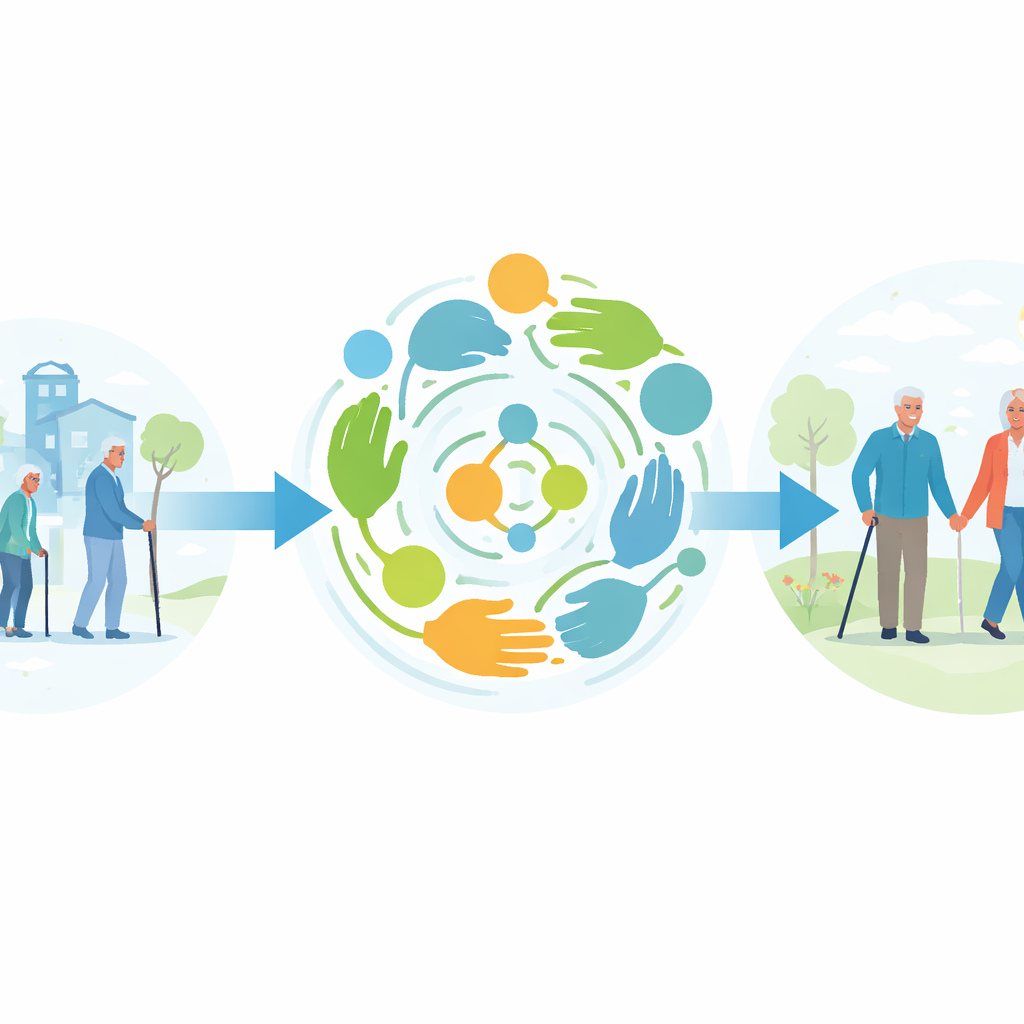
The team surveyed 785 people aged 60 and older with moderate to severe disability, all living in Chengdu communities. Using established questionnaires, they measured three main aspects of each participant’s situation. First, they assessed functional independence: how well a person could manage basic daily activities like self-care, moving around, and communicating. Second, they evaluated social support, including emotional backing, practical help, and how effectively people made use of available support. Third, they recorded health-related quality of life, covering both physical comfort and mental well-being. Statistical techniques were then used to see not only how these three elements were linked, but also whether social support sat in the middle as a bridge between disability and life quality.
What they found about daily function and support
Overall, the older adults in this study reported quite low levels of health-related quality of life. Their physical scores were especially poor, reflecting pain, limited movement, and difficulties in performing ordinary tasks. Mental well-being was also reduced compared with healthy older adults. At the same time, many participants showed only modest levels of social support: they had some emotional encouragement and material help but were not fully engaged in social activities or using available resources. When the researchers compared scores, they found that people who were more independent in daily life tended to report higher quality of life. Likewise, those who felt better supported—both emotionally and practically—also described better physical and mental health.
How support acts as a bridge
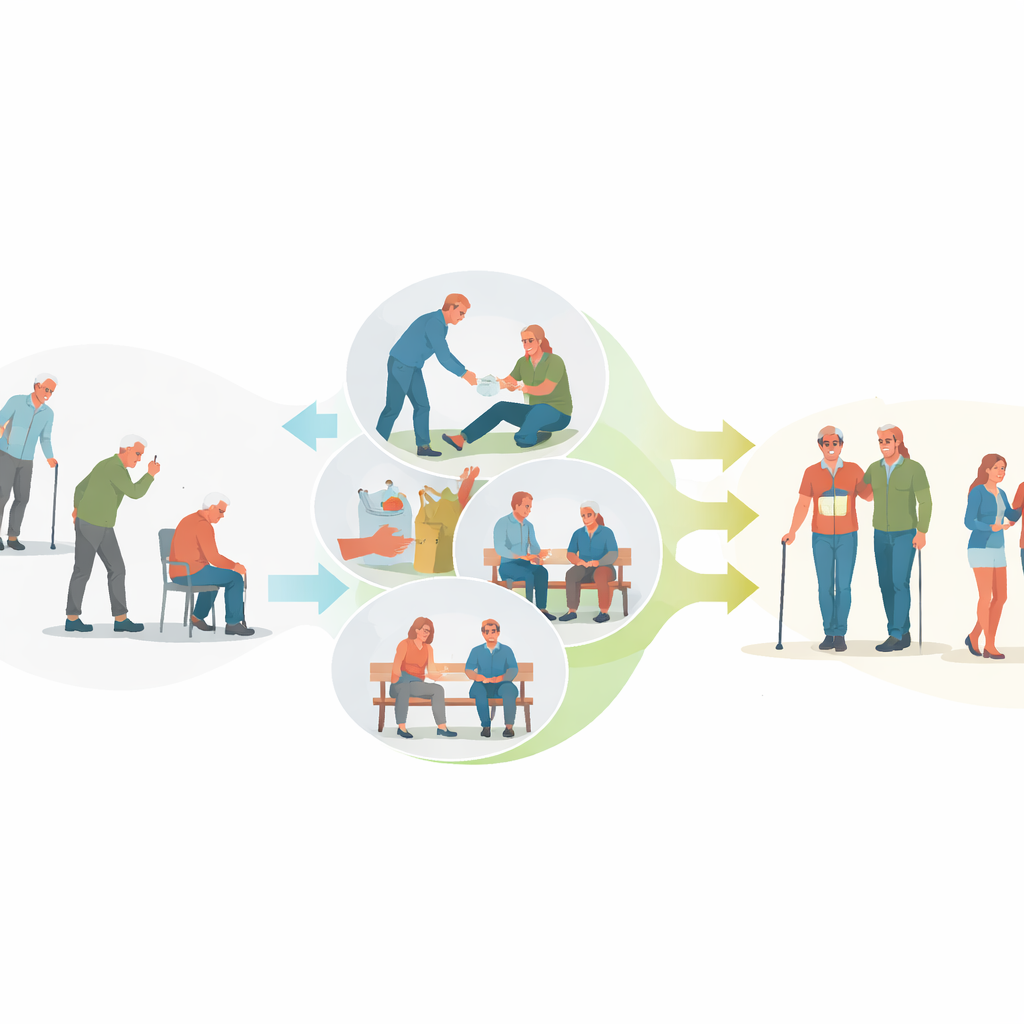
The most important insight comes from the way these factors interact. The analysis showed that functional independence does not influence quality of life only in a straight line. Instead, a large part of its impact runs through social support. Older adults who are more capable in daily activities are better able to stay socially active, maintain relationships, and ask for or use help. In turn, strong support networks can cushion the emotional blow of disability, reduce loneliness and depression, and encourage healthy behaviors such as exercise or rehabilitation training. The study estimates that this indirect pathway through social support accounts for nearly half of the overall link between independence and quality of life, highlighting support as a powerful lever for change.
What this means for families and communities
For families and policymakers, the message is clear: improving quality of life for disabled older adults is not only about medicine or physical function. Even when full independence cannot be restored, building strong social support systems—through involved families, responsive community services, and inclusive neighborhood activities—can help older people adapt to loss of function and still feel connected, valued, and hopeful. By investing in caregiver training, respite services, accessible environments, and programs that foster social contact, communities may significantly raise both the physical comfort and emotional well-being of some of their most vulnerable members.
Citation: Zhu, Q., Zhou, Y., Yan, M. et al. Mediating effect of social support between functional independence and quality of life among older adults with moderate to severe disabilities. Sci Rep 16, 10608 (2026). https://doi.org/10.1038/s41598-026-44694-z
Keywords: older adults with disabilities, social support, functional independence, quality of life, aging in the community