Clear Sky Science · en
An eight-week placebo-controlled RCT on the efficacy of a probiotic nutritional intervention for subclinical gastrointestinal symptoms in students
Why your gut feelings matter
Many students and young adults quietly struggle with bloating, cramps, or irregular bowel habits that never quite qualify as a diagnosed disease. At the same time, supermarket shelves are filled with probiotic products promising calmer stomachs and better well-being. This study asks a simple but important question: when people with mild gut troubles eat a new probiotic snack, how much of their relief is due to the bacteria inside—and how much comes from the power of belief and routine itself?
A common but often hidden problem
Digestive discomfort is extremely widespread, even among people who are otherwise healthy. Many experience stomach pain, diarrhea, constipation, or bloating without any visible damage or disease in the gut. These complaints can be embarrassing, disruptive to daily life, and are often minimized by others. Because of this, people frequently turn to over-the-counter solutions, and probiotics have become a booming global market. Yet scientific studies have not consistently shown that probiotic products outperform placebos, raising the possibility that expectations and context play a big role in any improvements people feel.
Testing a probiotic snack in real life
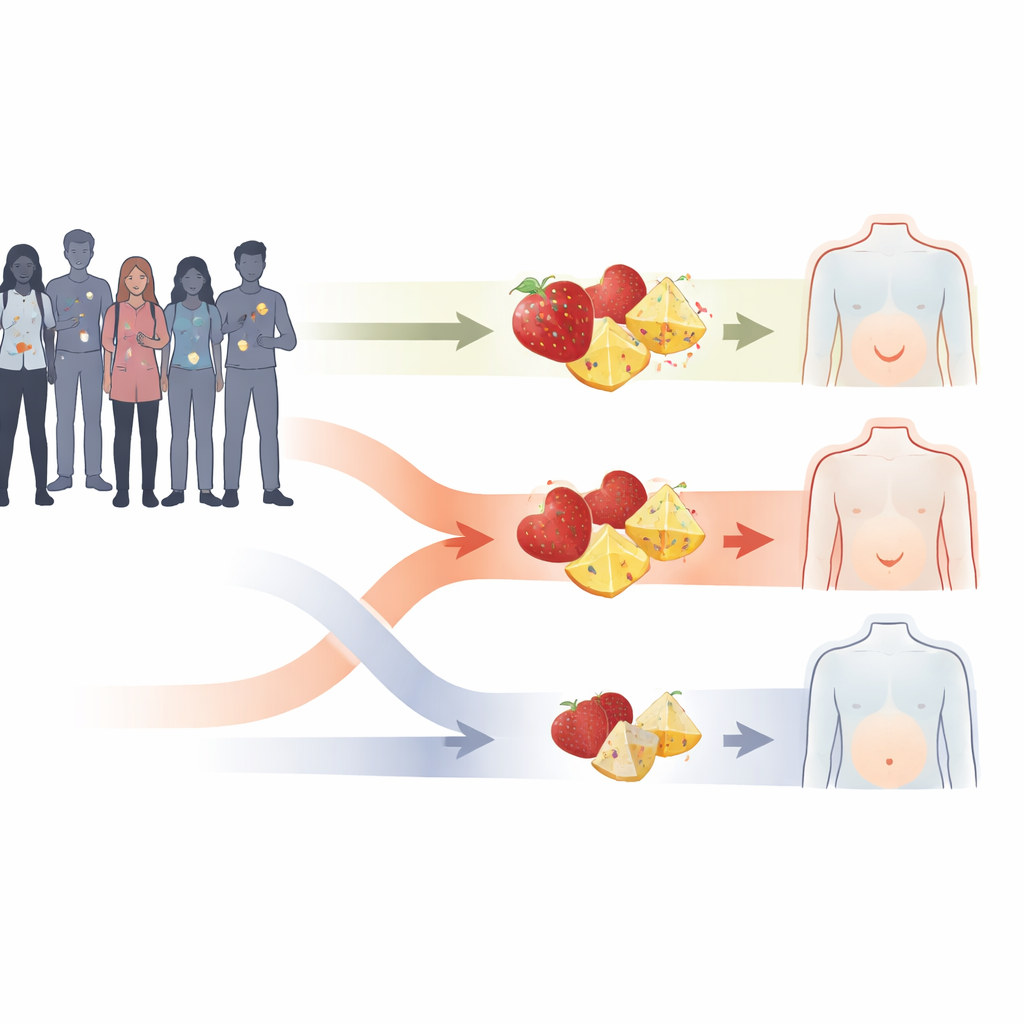
To explore this, researchers recruited university students who reported mild to moderate but bothersome digestive symptoms, without a formal gastrointestinal diagnosis. Eighty-three participants were randomly placed into one of three groups: a probiotic group, a placebo group, or a no-intervention group. For eight weeks, the probiotic and placebo groups ate a small daily portion of mango-based fruit bits. Only the probiotic version contained live bacteria, specifically two strains often used in digestive supplements. The placebo version looked and tasted the same but had no added bacteria. Everyone received the same positive, but realistic, information about probiotics and gut health, while the no-intervention group simply completed the same weekly questionnaires without any snack.
What changed in people’s symptoms
Before and after the eight weeks, participants rated how often and how strongly they experienced digestive problems like pain, indigestion, diarrhea, and constipation. Both the probiotic and placebo groups showed a clear and sizeable reduction in gut symptoms compared with the no-intervention group. However, there was virtually no difference between the probiotic and placebo groups themselves. When the researchers looked more closely, they estimated that nearly half of the symptom improvement seen with the probiotic snack could be explained by the improvement that also occurred with the placebo snack. In other words, simply eating a “special” fruit bit each day—whether it contained bacteria or not—was enough to bring meaningful relief for many participants. Despite hopes that better digestion would also ease stress or boost mood, the study did not find reliable changes in stress, general bodily complaints, or mental well-being across the groups.
The role of expectations and daily rituals
The team also examined how much people’s expectations shaped their experience. At the start, students in the snack groups reported fairly high hopes that the product would help them. Surprisingly, these expectations did not strongly predict how much their measured gut symptoms changed over time in either the probiotic or placebo group. In the probiotic group only, people who felt they had improved also tended to show a larger reduction in symptoms, suggesting that believing you are on an “active” product may color how you notice and interpret bodily changes. Beyond expectations, the study setting itself—kind, attentive experimenters, clear instructions, and a simple daily ritual of taking the fruit bits—likely contributed to the powerful placebo response.
What this means for everyday probiotic use
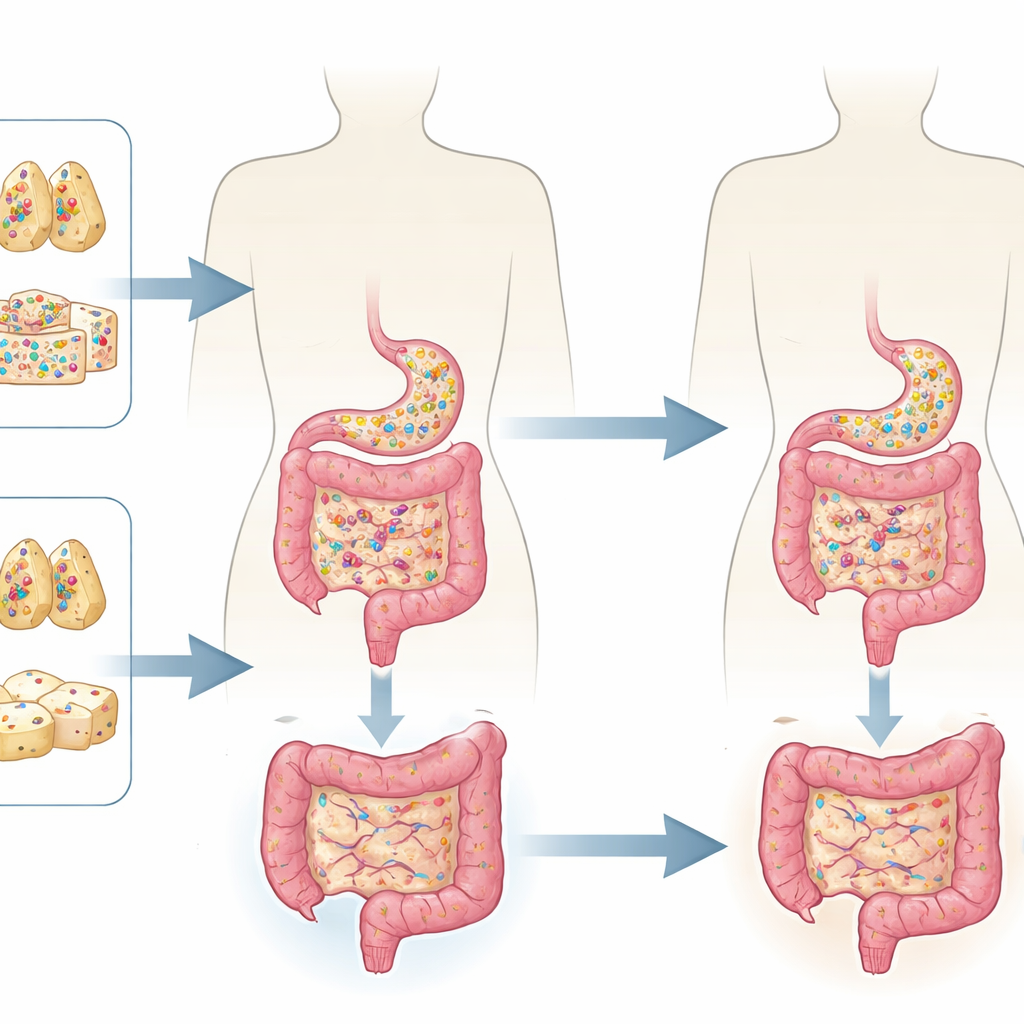
For students and other adults with nagging but mild gut discomfort, this work suggests that much of the benefit they feel from a probiotic snack may actually come from the act of caring for their health and the reassuring story around the product, rather than from the bacteria alone. That does not mean the improvements are “all in their head” or unimportant—people genuinely felt and functioned better. But it does mean that the placebo effect is a major part of the picture and helps explain why probiotic foods are so popular despite mixed scientific evidence. Future research will need to test whether stronger doses or different bacterial strains make a bigger difference in patients with more serious gut conditions, and to better understand how expectations and treatment rituals can be harnessed ethically to support digestive well-being.
Citation: Winkler, A., Hermann, C., Hahn, A. et al. An eight-week placebo-controlled RCT on the efficacy of a probiotic nutritional intervention for subclinical gastrointestinal symptoms in students. Sci Rep 16, 9538 (2026). https://doi.org/10.1038/s41598-026-44433-4
Keywords: probiotics, placebo effect, gut health, student stress, digestive symptoms