Clear Sky Science · en
A systematic review and meta-analysis of the impact of relaxation techniques to reduce burden of disease in patients with psychotic disorders
Why calming the mind matters
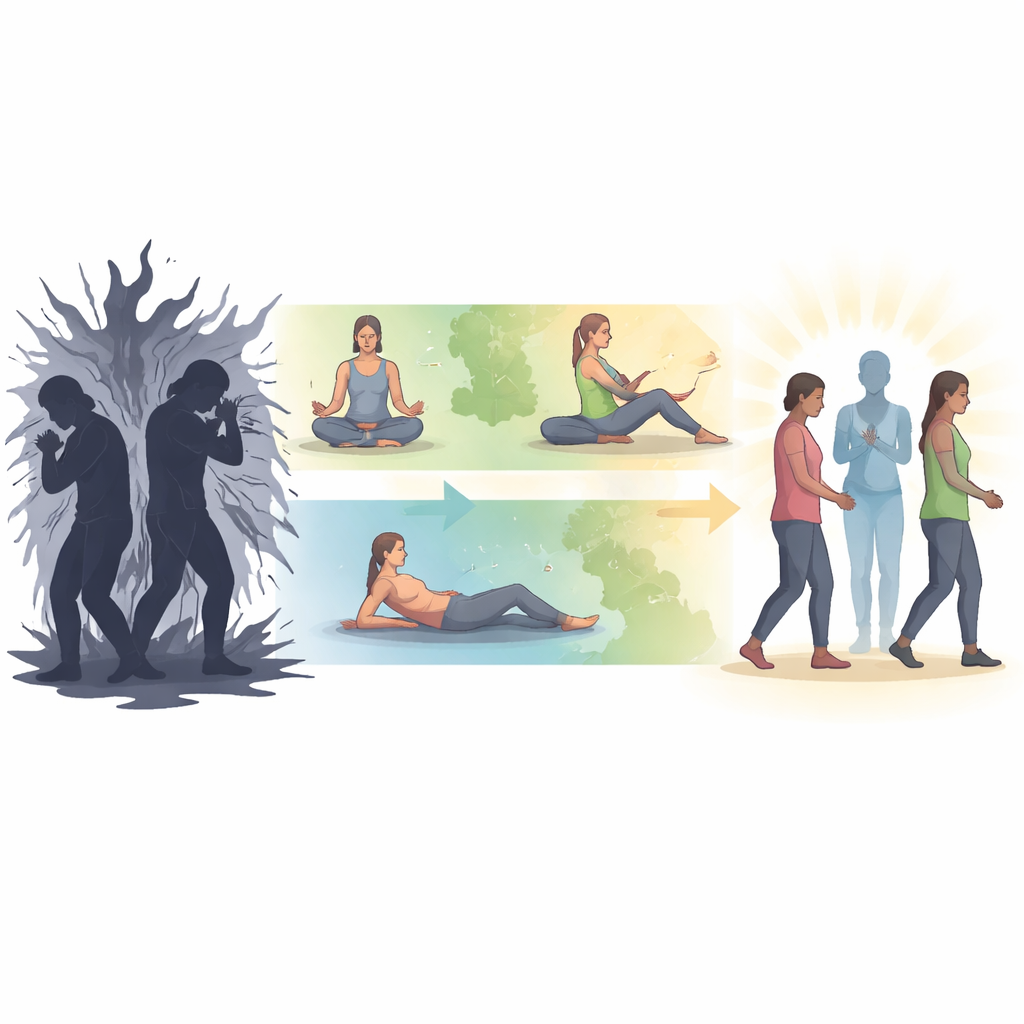
People living with psychotic disorders such as schizophrenia often face a double burden: distressing symptoms and very high levels of stress. Families and clinicians have long wondered whether simple, low‑risk relaxation practices—like yoga, breathing exercises, or muscle relaxation—can safely ease symptoms and improve daily life. This study pulls together results from many clinical trials to ask a practical question that matters to patients, caregivers, and health systems alike: do these calming techniques actually help, and are they safe to use alongside medication?
What the researchers set out to learn
The authors performed a systematic review and meta‑analysis, which means they searched several major medical databases for all randomized controlled trials that tested relaxation techniques in adults with psychotic disorders. These disorders included schizophrenia, schizoaffective disorder, acute transient psychosis, and similar diagnoses, but excluded psychosis caused by drugs or other medical illnesses. They focused only on methods that were designed mainly to reduce bodily and mental tension—such as yoga, mindfulness‑based programs with a clear relaxation focus, progressive muscle relaxation, autogenic training, qigong, tai chi, biofeedback, and breathing exercises—used in addition to standard care.
How the evidence was gathered
From an initial pool of 2,452 references, 24 studies with 1,292 participants met the strict inclusion criteria. These trials compared relaxation techniques against usual treatment, no extra treatment, or simple control activities like general exercise. Patients were being treated in different settings: psychiatric hospitals, outpatient clinics, and longer‑term rehabilitation programs, or a mix of these. The researchers extracted detailed information on who took part, what kind of relaxation method was used, how often and how long it was practiced, and which outcomes were measured—such as overall psychiatric symptoms, specific positive symptoms (like hallucinations), negative symptoms (such as lack of motivation), anxiety, quality of life, and stress itself.
What the study found
Overall, relaxation techniques produced small to moderate benefits for several important outcomes. Across the combined studies, anxiety decreased noticeably, and general psychotic symptoms, as well as positive and negative symptoms, were reduced compared with control conditions. Quality of life and momentary well‑being also improved. Interestingly, the data did not show a clear direct effect on stress levels, but only a few trials measured stress explicitly. No study reported serious harms or worsening of psychotic symptoms linked to the relaxation methods, even though most patients were also taking antipsychotic medication.
Where and for whom they help most
When the researchers looked more closely at treatment settings, a pattern emerged. People receiving care as outpatients or in rehabilitation programs tended to benefit more than those in acute inpatient wards, especially for overall symptoms and positive symptoms. One likely reason is that patients in hospital are often in the midst of a severe episode and may be more focused on stabilizing with medication, while those in community or rehab settings may be more stable and better able to engage with the exercises. The type of relaxation method—whether yoga, mindfulness‑based training, muscle relaxation, or others—did not show strong differences in effect, although yoga was the most frequently studied. Despite some limitations, including variations in study quality and methods, the positive signal remained when the data were tested in sensitivity analyses.
What this means for everyday care
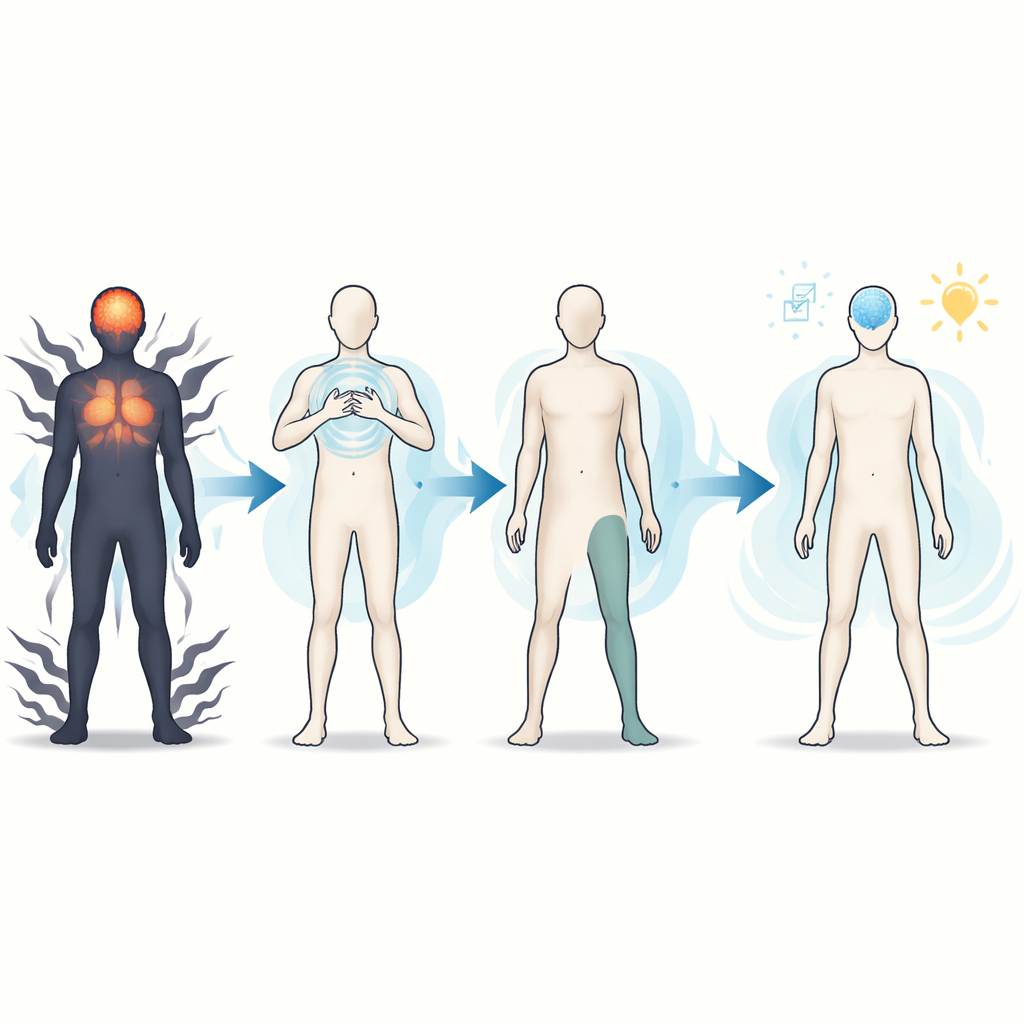
For people with psychotic disorders and their clinicians, the message is cautiously hopeful. Simple relaxation approaches appear to be safe when added to standard medical treatment and can modestly ease symptoms and improve quality of life, especially outside of the most acute hospital phase. Because many of these techniques—like yoga classes or guided relaxation—are widely available and do not need to be heavily customized, they can be woven into routine care and community programs, giving patients more tools to manage their own recovery. The authors argue that treatment guidelines should begin to recognize relaxation techniques as a useful add‑on to medication, helping to reduce the burden of disease and supporting better long‑term outcomes.
Citation: Schlößer, N., Theisen, C., Meisenzahl, E. et al. A systematic review and meta-analysis of the impact of relaxation techniques to reduce burden of disease in patients with psychotic disorders. Sci Rep 16, 9841 (2026). https://doi.org/10.1038/s41598-026-44310-0
Keywords: schizophrenia, psychosis, relaxation techniques, yoga, mindfulness