Clear Sky Science · en
Isolation of aerobic denitrifying bacteria Stutzerimonas stutzeri and its application in coking wastewater treatment
Why cleaning factory water matters
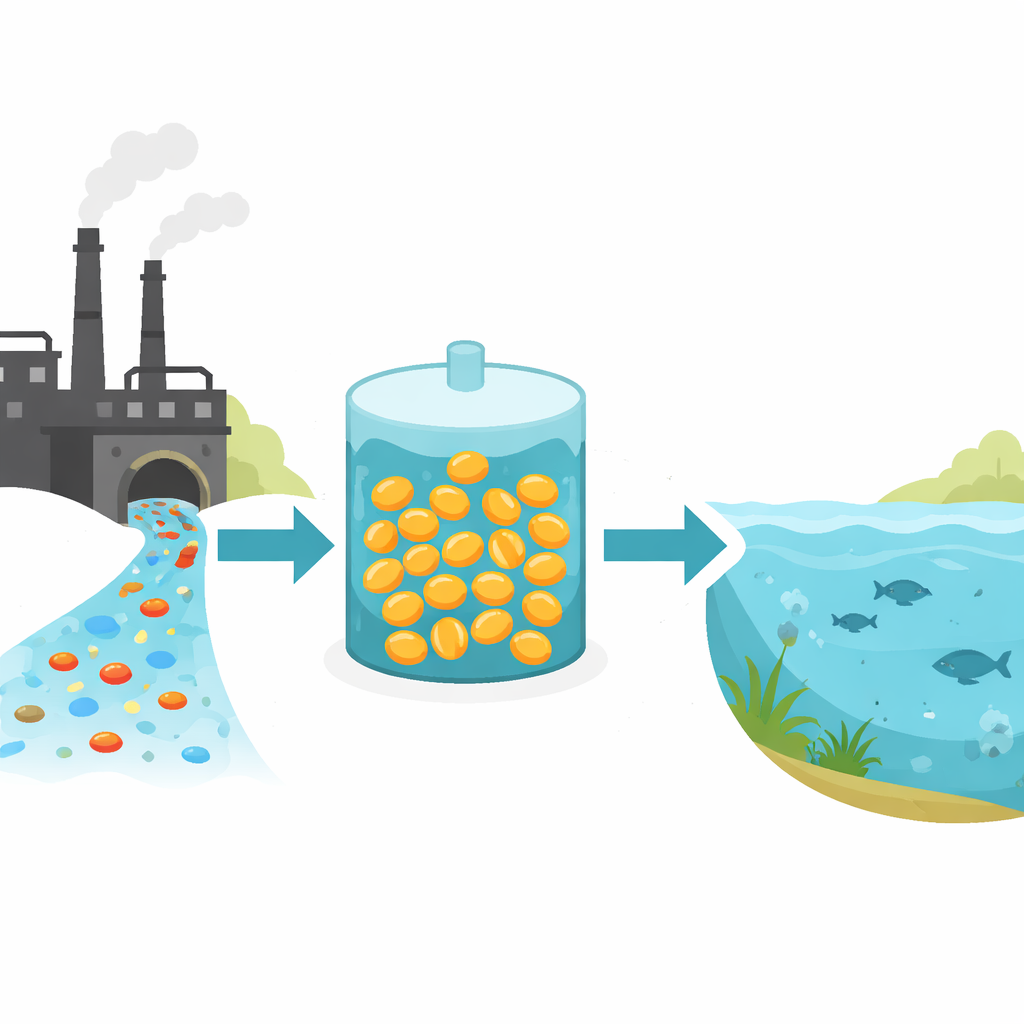
Steel making and other heavy industries use special ovens to turn coal into coke, a fuel that keeps blast furnaces running. Along the way, these plants produce dark, chemical‑laden wastewater. This water carries high levels of nitrogen compounds and stubborn organic pollutants that can trigger toxic algae blooms, poison fish, and contaminate drinking water. The study behind this article explores how a naturally occurring bacterium, isolated from a coking plant’s own wastewater, can be harnessed as a living tool to strip dangerous nitrogen and organic pollution from this difficult waste stream.
A tough kind of wastewater
Coking wastewater is one of the dirtiest industrial effluents. It contains nitrogen in many forms—such as nitrate, nitrite and ammonia—along with complex organic chemicals, some of which are cancer‑causing. When released untreated, this nitrogen fuels explosive growth of algae and aquatic plants, leading to oxygen crashes that suffocate fish and other wildlife. In people, excess nitrate can damage infant blood oxygen transport and contribute to cancer‑linked compounds. Because of this mix of salinity, nitrogen, and toxic organics, coking wastewater is harder to treat than typical city sewage, and it pushes conventional treatment plants to their limits.
Finding a helper microbe in the waste itself
The researchers collected water from a low‑oxygen zone of a coking plant and grew the resident microbes under conditions that favored those able to remove nitrate. After a careful series of dilution and purification steps, they isolated several bacterial strains and used DNA sequencing of the 16S rRNA gene to identify the most promising one. This strain, named Stutzerimonas stutzeri KA1, belongs to a group already known for converting nitrate into harmless nitrogen gas. The team then compared how well different strains lowered nitrate levels in a controlled lab medium. KA1 stood out by rapidly cutting nitrate concentrations under warm, gently stirred conditions, marking it as a prime candidate for industrial use.
Testing what this bacterium can handle
To see how KA1 might perform in real treatment systems, the scientists varied one factor at a time: the type of food source, the balance of carbon to nitrogen, the oxygen level, and the acidity or alkalinity (pH). They found that simple, easily digested carbon sources worked best, with sodium acetate allowing KA1 to remove nearly all nitrate within about 40 hours. An intermediate carbon‑to‑nitrogen ratio gave the fastest removal; too little carbon starved the bacteria, while excess brought no further gains. Surprisingly, KA1 kept working across a wide spread of dissolved oxygen levels—from no oxygen up to fully aerated conditions—suggesting that it can keep denitrifying even when air is bubbled into tanks. It also maintained almost complete nitrate removal from pH 6 to 10, a broad range that covers many real‑world wastewaters. These traits point to a rugged microbe that tolerates shifting conditions without losing effectiveness.
From the flask to a working reactor
The team then moved from small flasks to miniature treatment systems called sequencing batch reactors, which mimic cycles in real plants. All reactors received activated sludge, the usual mix of microbes used in treatment, but only two were “bioaugmented” with added KA1. Over repeated operating cycles, all reactors removed some nitrate at first, showing that the native microbes were already active. Yet as time went on, the non‑augmented reactor lost performance, while the KA1‑enriched reactors continued to improve and eventually achieved clearly higher nitrate removal, even under salty conditions that often inhibit other bacteria. The study also tracked chemical oxygen demand, a broad measure of organic pollution, and found that KA1‑treated systems broke down these organics faster than controls, driving COD levels toward zero more quickly.
What this means for cleaner industry
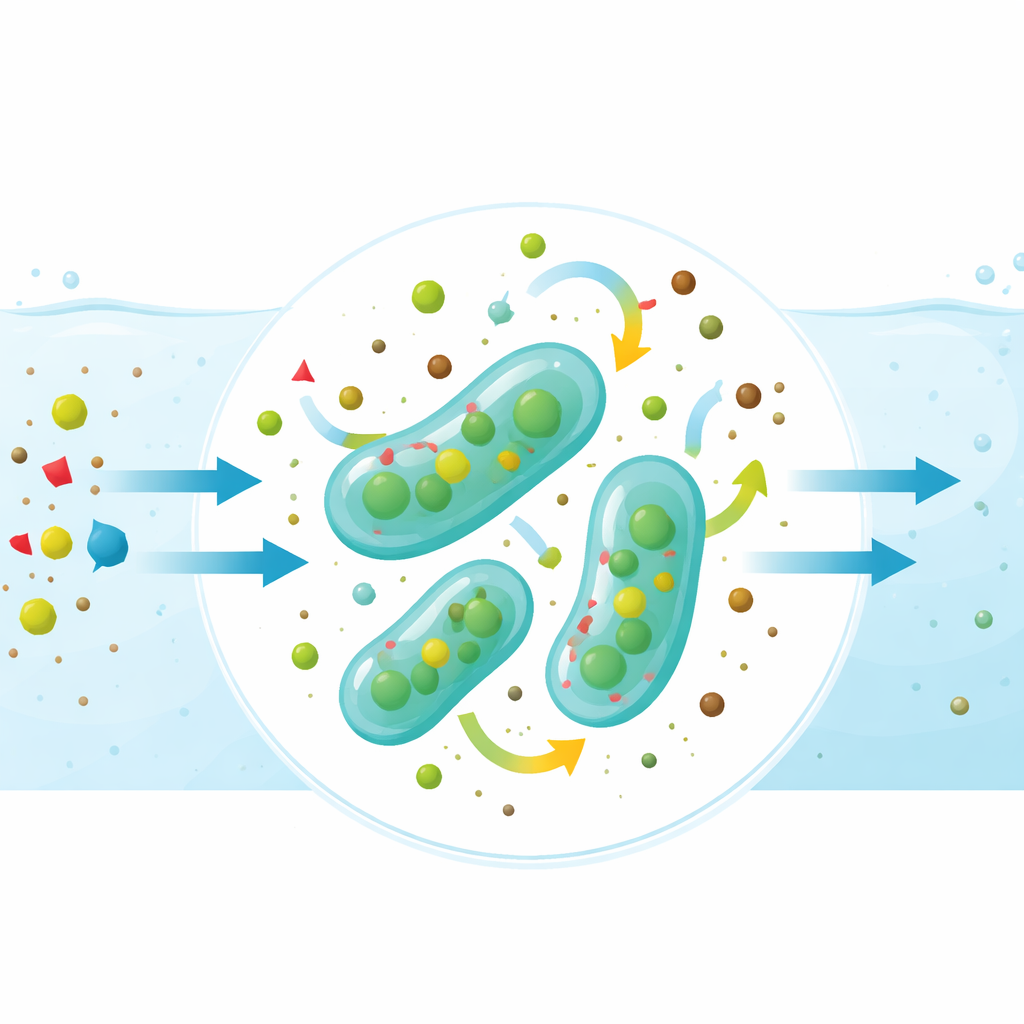
For non‑specialists, the key message is that the researchers have found and tested a hardy “cleanup” bacterium that thrives in the very harsh water it is meant to treat. Stutzerimonas stutzeri KA1 can strip out nearly all nitrate across a realistic range of oxygen, salt, and pH conditions, while also helping to remove other organic pollutants. When added to standard treatment systems, it boosts both nitrogen and COD removal beyond what the existing microbial community can do alone. Because it works efficiently and tolerates tough conditions, KA1 could make it cheaper and easier for steel and coking plants to meet environmental standards, reducing the burden of nitrogen‑driven water pollution and helping protect downstream rivers, lakes, and coastal ecosystems.
Citation: Naseer, K., Ashfaq, K., Shamim, A. et al. Isolation of aerobic denitrifying bacteria Stutzerimonas stutzeri and its application in coking wastewater treatment. Sci Rep 16, 8717 (2026). https://doi.org/10.1038/s41598-026-43338-6
Keywords: coking wastewater, aerobic denitrification, Stutzerimonas stutzeri, bioaugmentation, nitrogen removal