Clear Sky Science · en
Inequalities in the completion of maternal continuum of care in Ethiopia using the 2019 mini-Ethiopian demographic and health survey
Why This Study Matters for Mothers and Babies
Bringing a child into the world should be safe no matter where a woman lives or how much money she has. Yet in Ethiopia, many mothers still die from preventable causes, and their babies are at high risk as well. This study looks at the full chain of care that women are supposed to receive during pregnancy, childbirth, and the weeks after birth—and shows that poorer, less educated, and rural women are much more likely to fall through the cracks. Understanding where and why women drop out of this chain is crucial for designing fairer health systems that protect every mother and newborn.
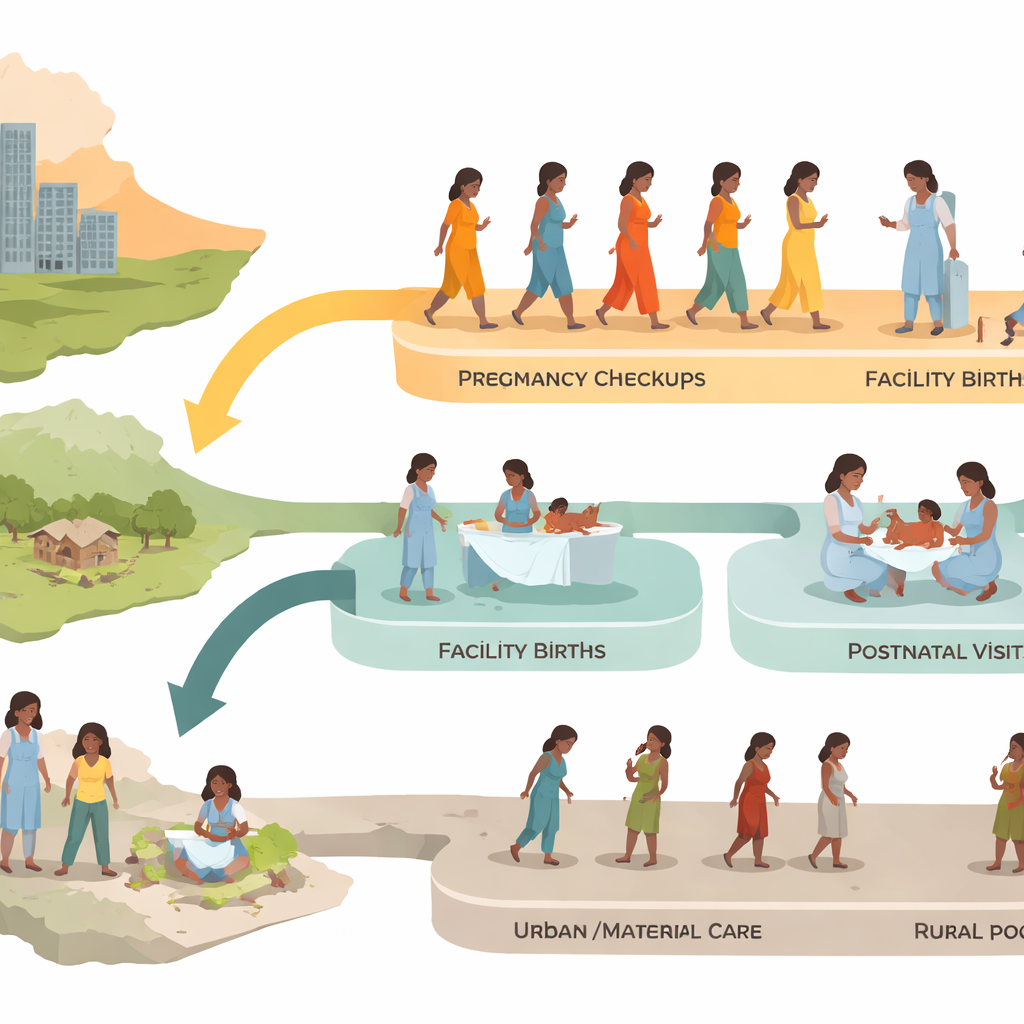
The Idea of a Lifeline of Care
The researchers focus on what they call a “continuum of care” for mothers. Instead of viewing a single clinic visit or a single birth, they treat care as a connected lifeline that stretches from pregnancy checkups to giving birth in a health facility and then to follow-up visits after the baby arrives. A woman is considered to have completed this lifeline only if she has at least four antenatal visits, gives birth in a health facility, and receives at least one check within six weeks after childbirth. This continuous support is known to prevent many deaths and complications, yet it is far from guaranteed for most Ethiopian women.
How the Study Was Carried Out
The team used data from the 2019 mini-Ethiopian Demographic and Health Survey, a nationally representative survey of thousands of women aged 15 to 49. They included women who had given birth in the previous five years and had at least one pregnancy check-up for their most recent baby. Using statistical techniques, they measured how many completed the full chain of care and examined differences by household wealth, education, place of residence, and region. They also looked at service details such as how early women started antenatal care, whether they were told about danger signs, and whether basic checks like blood pressure were done.
Where Women Drop Out of the System
The results reveal large gaps. Fewer than one in four women (about 24%) completed the entire continuum of care. Although more than half achieved four or more antenatal visits and nearly two thirds gave birth in a health facility, only about two out of five received even a single postnatal check. Many women dropped out between pregnancy visits and facility birth, and even more between facility birth and postnatal care. Overall, three out of four women who started care during pregnancy missed at least one of the three key stages, leaving them and their babies without protection at critical moments.
Care That Favors the Better-Off
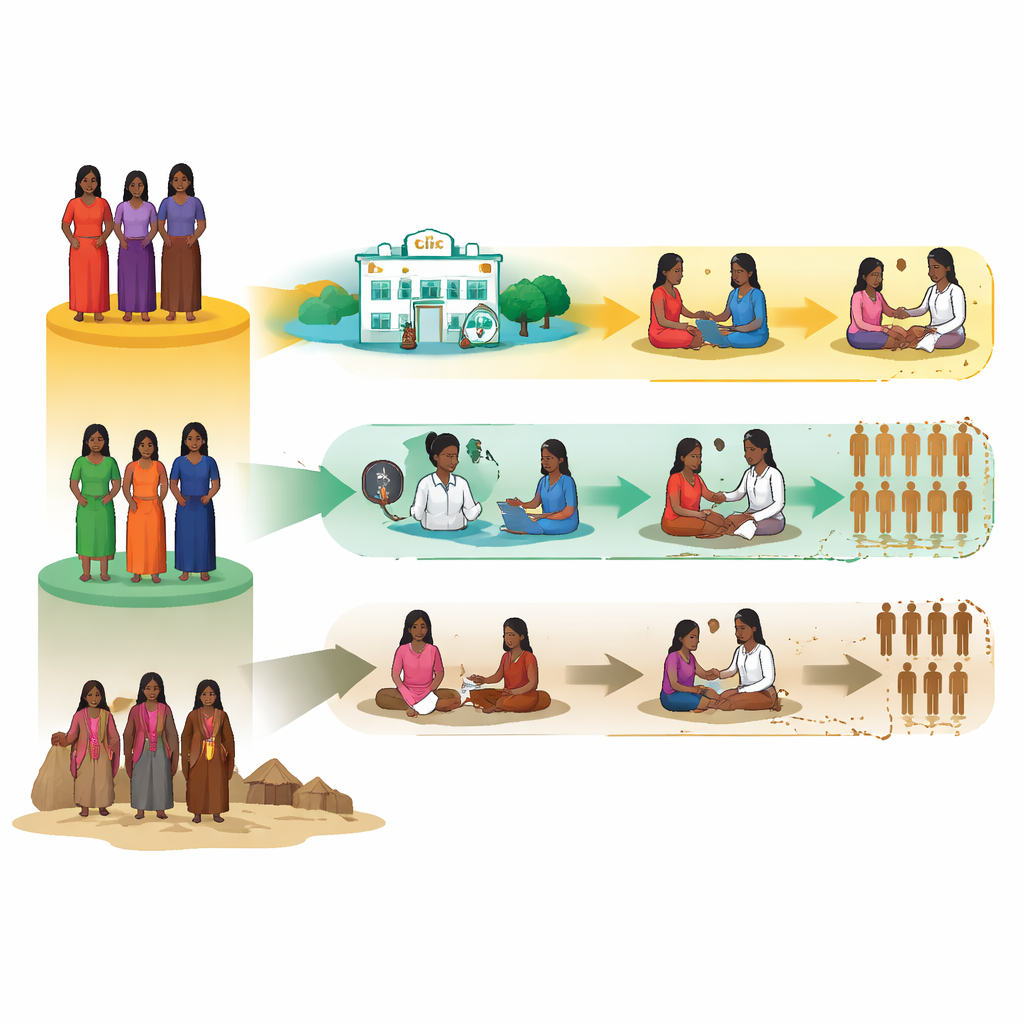
The study shows that this lifeline of care is heavily tilted toward wealthier and more educated women, and toward those living in cities. Using inequality measures, the authors found that completion of the continuum of care was concentrated among richer households in both urban and rural areas. Urban women, women with secondary or higher schooling, and those from the richest families were far more likely to complete all stages. Women living in pastoral regions such as Afar and Somali, those from the poorest and middle-income groups, women who were not informed about pregnancy danger signs, and those whose blood pressure was not measured were much less likely to complete care. Starting antenatal visits early in pregnancy strongly improved the chances of staying in care through birth and the postnatal period.
What These Findings Mean for Policy
To a lay reader, the message is clear: the health system in Ethiopia works far better for women who are richer, better educated, urban, or living in more settled farming regions than for women who are poor, rural, or pastoralist. The authors conclude that closing these gaps is essential for reducing preventable deaths among mothers and newborns. They call for targeted strategies that improve access in rural and pastoral areas, support women with low education, and lessen financial and geographic barriers. Strengthening early, good-quality antenatal care—where women receive counseling on danger signs and basic checks like blood pressure—could help keep more mothers connected to services through childbirth and after. In simple terms, Ethiopia needs to turn a leaky, uneven chain of care into a strong, continuous lifeline that every mother can rely on.
Citation: Tesfaye, S., Ayele, B., Tola, A. et al. Inequalities in the completion of maternal continuum of care in Ethiopia using the 2019 mini-Ethiopian demographic and health survey. Sci Rep 16, 10978 (2026). https://doi.org/10.1038/s41598-026-42724-4
Keywords: maternal health, Ethiopia, continuum of care, health inequality, postnatal care