Clear Sky Science · en
Microplastics exposures in cataract surgery and potential clinical concerns
Why this matters for your eyes
Plastic pollution is usually pictured as bottles in the ocean, not particles inside our bodies. Yet scientists now know that tiny plastic fragments, called microplastics, can travel through air, water, and even medical devices. This study asks a striking question: during one of the world’s most common eye operations—cataract surgery—are these microscopic bits of plastic getting into, or already sitting inside, the human eye, and what might that mean for patients’ health?
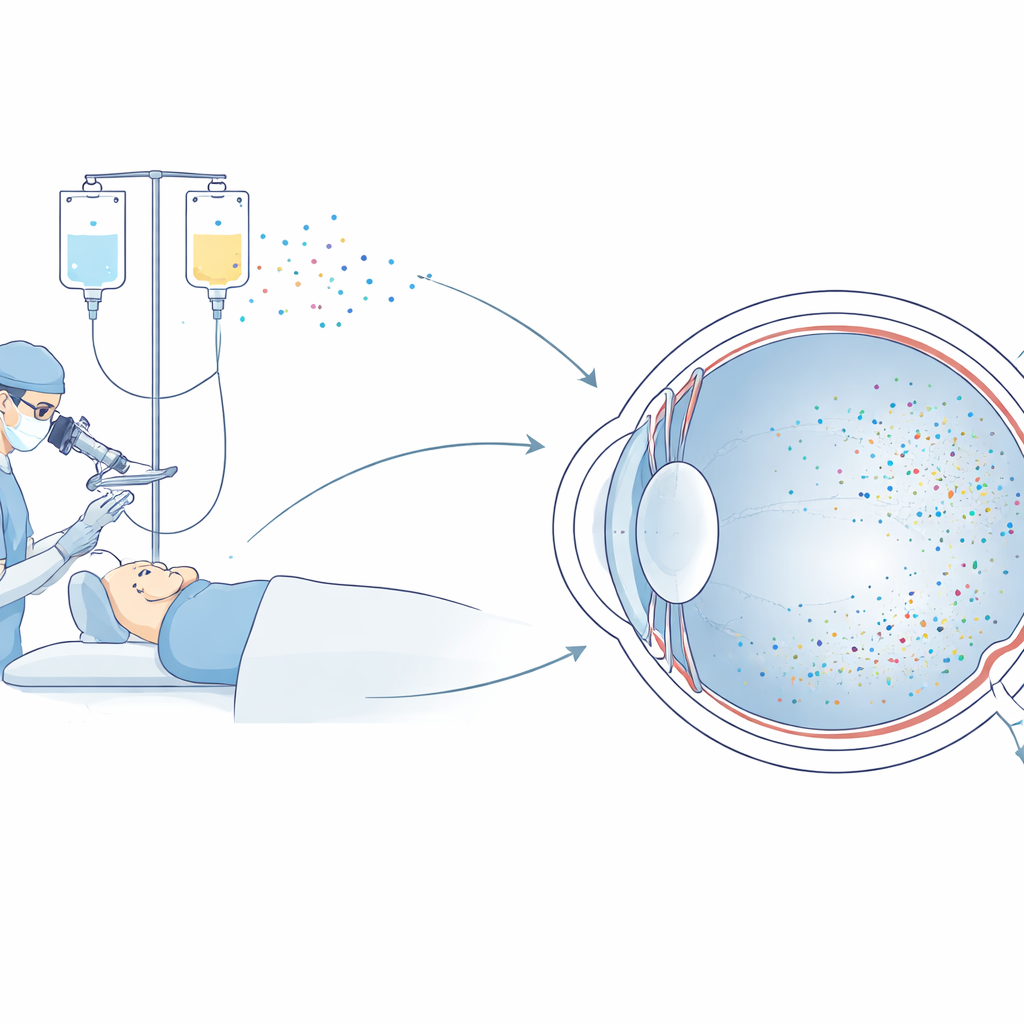
Looking for plastic in a common eye operation
Cataract surgery is performed tens of millions of times each year, almost always with the help of disposable plastic tools, fluid bags, and tubing. The researchers examined two types of cataract operations and their surroundings step by step. They collected samples from the fluids that go into the eye, the fluids that come out, the cloudy lens tissue that is removed in some cases, and even the air in the operating room. Using high-resolution microscopes and light-based chemical tests, they counted and identified the plastics present, including their shapes, sizes, and types of polymer.
What they found inside the eye
Surprisingly, the main liquids and gels drawn fresh from their plastic containers—saline, balanced salt solution, and the gel-like material used to protect the eye during surgery—showed no detectable microplastics. In contrast, a small number of particles appeared in the fluid flowing into the eye through the plastic infusion tubing and in the operating-room air. The strongest signal came from the fluid leaving the eye and from the cataractous lenses themselves: these contained many more microplastics, including smaller fragments and fibers only a few micrometers across, made from several common plastics such as polyethylene, polypropylene, polystyrene, and others.
Clues about where the particles come from
By comparing the plastic types found in the eye with those used in the surgical equipment, the team could sketch likely paths of contamination. Some particles, especially certain forms of polyethylene and polypropylene, probably originate from infusion lines, fluid bags, or other plastic hardware. Others did not match any surgical materials, suggesting they were already present in the eye before the operation, perhaps brought there over time by air exposure, blood circulation, or previous use of eye drops. Operating-room air also carried microplastics, hinting that tiny airborne fibers may settle into the surgical field despite precautions.
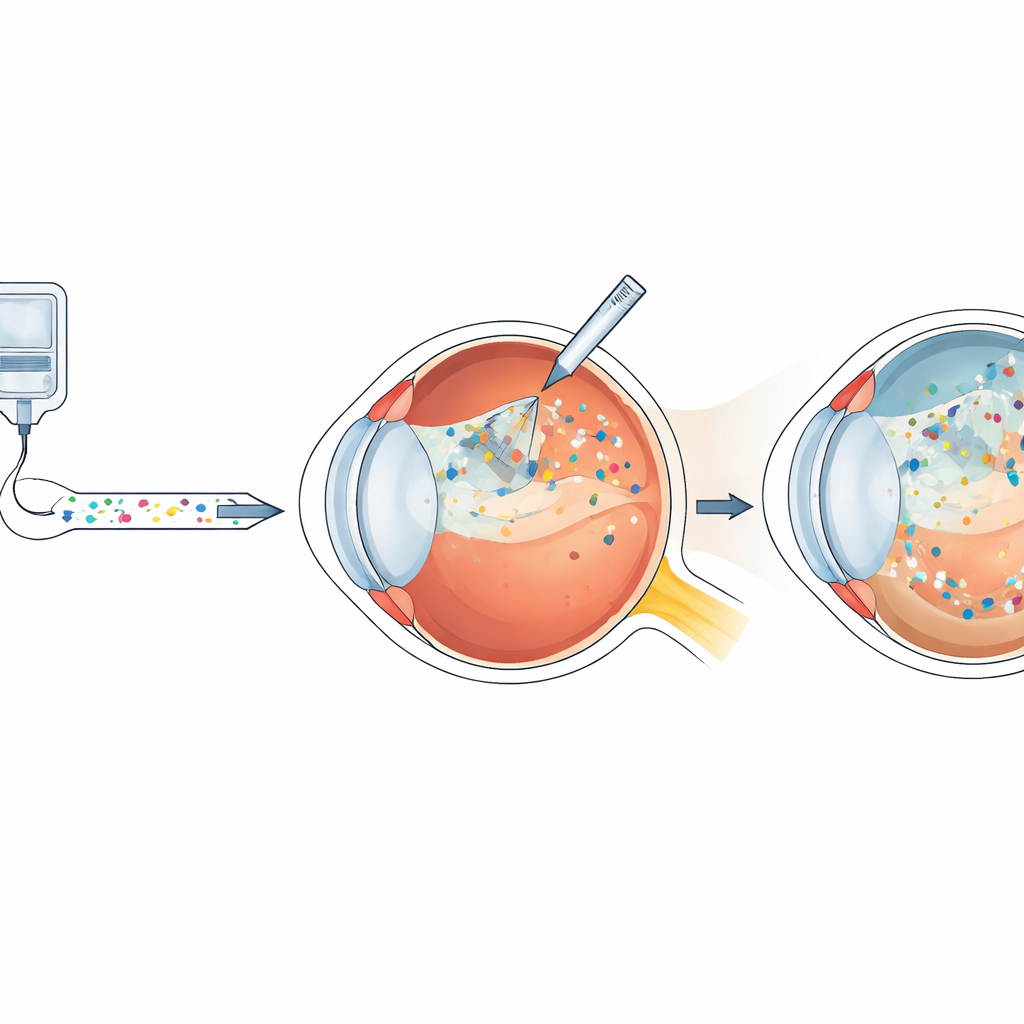
Links to other eye and body conditions
The researchers also looked at patients’ medical histories. Those who had other eye diseases diagnosed in the past three years, or who had diabetes at the time of surgery, tended to have higher levels of total microplastics—particularly certain common polymers—in their intraocular fluid. This pattern points to a possible role for damaged or leaky barriers in and around the eye, which could make it easier for microplastics to build up or harder for the body to clear them away. Laboratory and animal work from other groups has shown that microplastics can trigger inflammation and oxidative stress, processes already known to be involved in cataracts, glaucoma, and retinal damage, raising concern that these particles might worsen existing problems.
What this could mean for future care
Although the study involved a small number of patients and cannot yet prove that microplastics cause eye disease, it clearly shows that they are present in cataract patients’ eyes and that surgery can expose the eye to additional particles from plastic devices and indoor air. The authors argue that many of these plastics likely accumulate long before surgery and are then washed out during the procedure, revealing a hidden burden of contamination. They call for efforts to redesign medical packaging and tools with less plastic, improve operating-room ventilation, and study how these particles interact with delicate eye tissues. For patients, the message is not to fear cataract surgery—which remains highly safe and vision-saving—but to recognize that our reliance on plastics reaches all the way into the operating room, and that reducing plastic pollution may ultimately help protect our eyesight as well as the environment.
Citation: Choi, YH., Song, MS., Park, N. et al. Microplastics exposures in cataract surgery and potential clinical concerns. Sci Rep 16, 8898 (2026). https://doi.org/10.1038/s41598-026-42648-z
Keywords: microplastics, cataract surgery, eye health, medical plastics, environmental pollution