Clear Sky Science · en
Depression and anxiety disorders in patients with atrial fibrillation undergoing a pulmonary vein isolation: A systematic literature review and meta-analysis
Why the Heart and Mind Matter Together
Atrial fibrillation, a common heart rhythm problem, is usually discussed in terms of stroke risk, hospital visits, and medications. But for many patients, the story also involves low mood, worry, and sleep problems. This study asks a simple but important question: when people with atrial fibrillation undergo a modern procedure called pulmonary vein isolation to steady their heartbeat, how often are depression and anxiety part of the picture, and do these emotional difficulties change the medical outcome?
Who Was Studied and What Was Measured
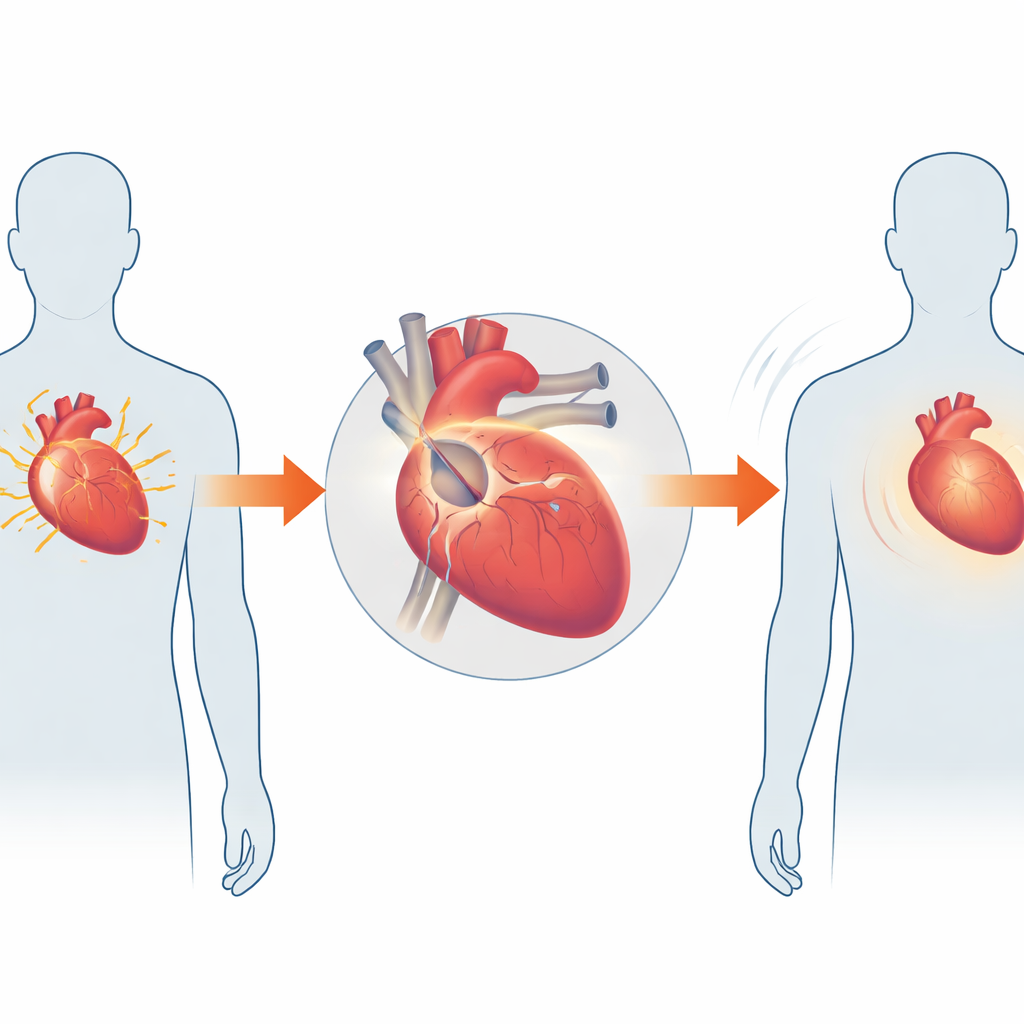
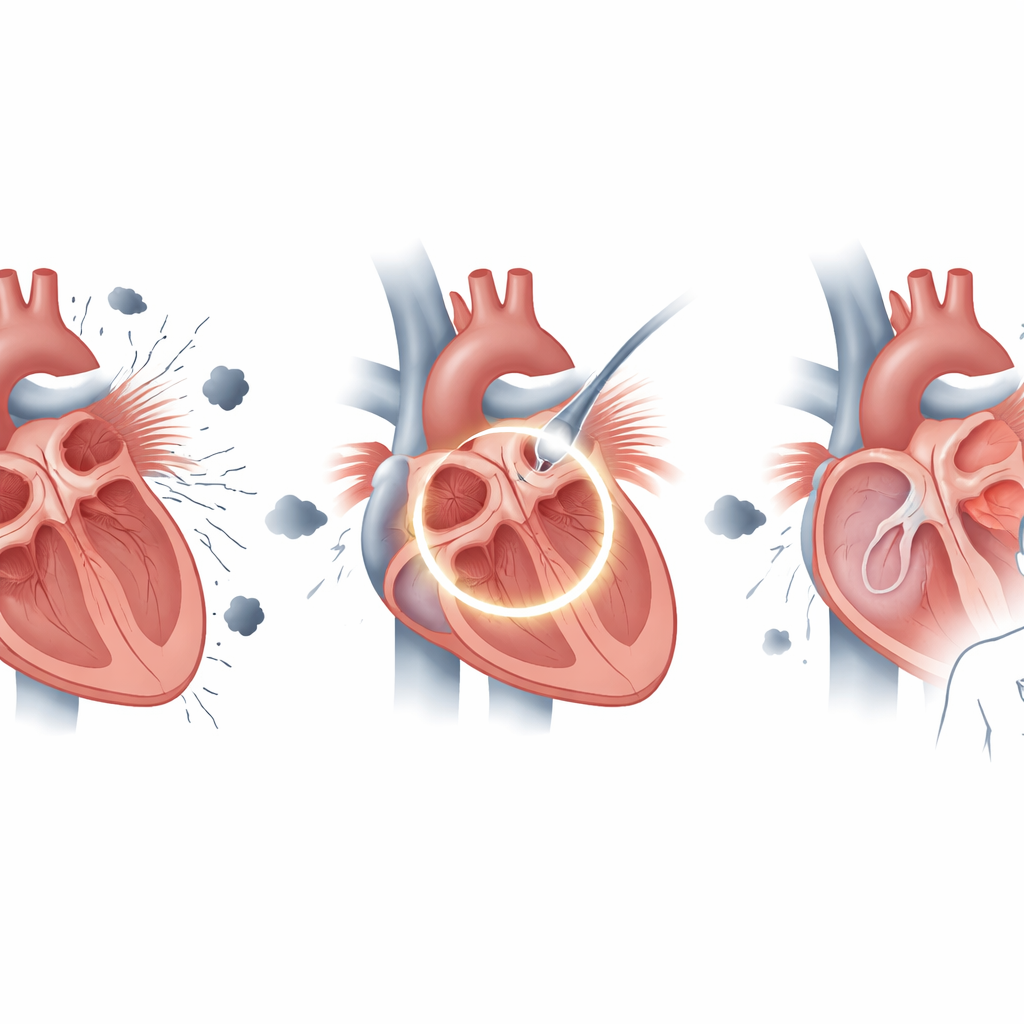
The authors pulled together results from 18 clinical studies including nearly 10,000 people with atrial fibrillation who were treated with pulmonary vein isolation, a catheter-based procedure that electrically separates the heart’s upper chamber from triggers in the lung veins. Across these studies, patients completed standard questionnaires that detect depressive and anxiety disorders as defined by widely used diagnostic manuals. The researchers compared how common these disorders were before and after the procedure, looked at differences by age, sex, and other illnesses such as high blood pressure or diabetes, and examined whether pre-existing depression or anxiety made it more likely that the heart rhythm problem would come back.
How Common Low Mood and Worry Really Are
The combined data showed that about one in five patients undergoing pulmonary vein isolation met criteria for a depressive disorder, and roughly one in four had an anxiety disorder. These are not just mild, passing worries, but levels of distress high enough to count as mental illnesses in many cases. Younger patients and those with a form of atrial fibrillation that comes and goes (paroxysmal) were more likely to be depressed. In contrast, anxiety was especially common in older patients and in those with other heart and metabolic conditions, such as heart failure, high blood pressure, or diabetes. Women tended to report more symptoms than men in several, though not all, of the studies.
What Happens After the Procedure
Several studies tracked symptoms before and after pulmonary vein isolation. On average, both depression and anxiety scores improved in the months following the procedure, particularly in people whose abnormal heart rhythm was successfully controlled. Measures of the body’s automatic stress responses, such as heart rate variability, also shifted in ways that suggest a calmer cardiovascular system after treatment. Yet patients who were depressed before the procedure were very likely to remain on a similar track afterwards: pre- and post-treatment scores were strongly correlated, which means that emotional health tends to move with the same person over time, even when their heart rhythm is fixed.
Does Mood Change the Heart’s Outcome?
An important practical question is whether being anxious or depressed before pulmonary vein isolation raises the chance that atrial fibrillation will return. Earlier, smaller reviews had hinted that this might be the case. In this larger analysis, however, neither pre-procedure depression nor anxiety reliably predicted whether the abnormal rhythm would come back. About 30 percent of patients did experience a recurrence overall, but this risk was not clearly tied to baseline mental health once the data from multiple studies were pooled and analyzed with more robust statistical tools.
What This Means for Patients and Care
This work paints a nuanced picture: emotional disorders are very common in people with atrial fibrillation undergoing pulmonary vein isolation, and many patients feel mentally better after the procedure, yet depression and anxiety by themselves do not seem to determine whether the heart rhythm problem returns. For patients, this means that taking mood and worry seriously is essential for quality of life, even if it does not guarantee a better rhythm outcome. For doctors and health systems, the findings argue for routine mental health screening and support as part of standard atrial fibrillation care, not as an afterthought. The authors suggest that future treatment guidelines should adopt a "bio-psycho-social" approach, treating the heart and the mind together so that people can live not only longer, but better, lives after their arrhythmia is addressed.
Citation: Weyand, S., Seizer, P., Junne, F. et al. Depression and anxiety disorders in patients with atrial fibrillation undergoing a pulmonary vein isolation: A systematic literature review and meta-analysis. Sci Rep 16, 8960 (2026). https://doi.org/10.1038/s41598-026-42473-4
Keywords: atrial fibrillation, pulmonary vein isolation, depression, anxiety, cardiac mental health