Clear Sky Science · en
Association of anti SITH 1 antibody titer with mental stress and intracranial aneurysms
Why worry about silent weak spots in brain blood vessels?
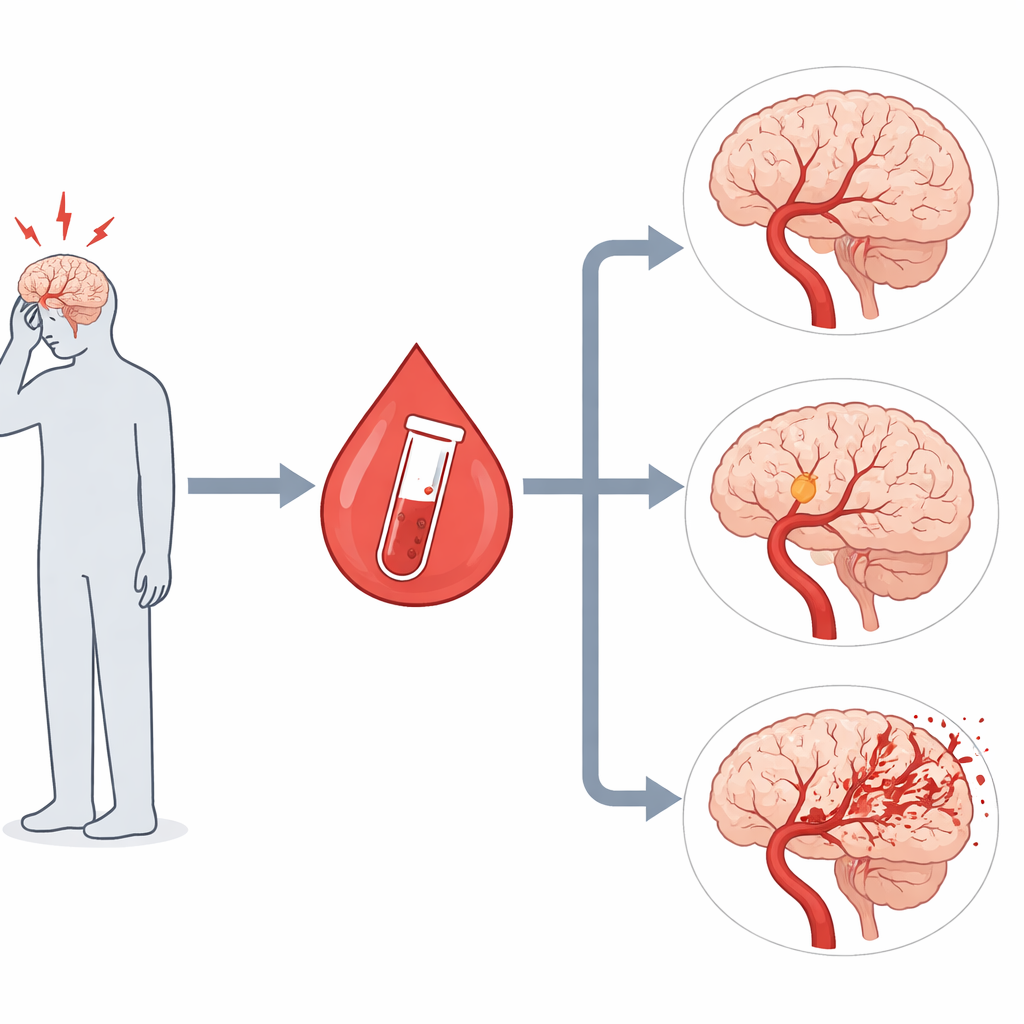
Many people today undergo brain scans for headaches or routine checkups and discover a tiny bulge in a blood vessel in the brain, called an unruptured intracranial aneurysm. These bulges rarely cause symptoms but can, in some cases, burst and lead to a life‑threatening type of stroke. Beyond the medical risk, simply knowing that such a weak spot exists can be deeply unsettling. This study asks a simple but important question: does long‑term mental stress actually help trigger these bulges to burst, or does it mostly reflect the emotional strain of living with the diagnosis?
Small bulges that may never burst
Modern imaging has made it far easier to spot aneurysms before they rupture. Most are small and judged to have a low chance of bursting, so doctors often recommend regular monitoring instead of immediate surgery. Still, not all low‑risk aneurysms behave as expected, and some do rupture despite good control of blood pressure and other known risk factors. At the same time, past large population studies have hinted that people who report high mental stress seem more likely to die from certain strokes. Those earlier studies, however, leaned heavily on self‑reported stress questionnaires, which can be subjective and hard to compare across patients.
A virus‑linked signal of long‑term stress
The researchers turned to a tiny protein called SITH‑1, made by a common virus (human herpesvirus 6B) when it is reawakened under conditions of stress or fatigue. Earlier work showed that people with depression often have high levels of antibodies against SITH‑1, suggesting that the immune system has repeatedly seen this protein during periods of chronic strain. In this study, the team used the blood level of anti–SITH‑1 antibodies as a laboratory marker that might mirror a person’s long‑term biological response to stress, rather than relying on how stressed someone says they feel.
Comparing three groups of people
Between 2021 and 2023, the investigators enrolled three types of volunteers from several Japanese hospitals: people who had just suffered a brain bleed from a ruptured aneurysm, people who had small unruptured aneurysms (all under 5 millimeters and being monitored), and healthy adults with no aneurysms found on imaging. They collected detailed information on lifestyle, medical history, and aneurysm shape and location. Each person gave a single blood sample—within 24 hours of the bleed for rupture patients, and within a month of enrollment for the other two groups. Using a sensitive fluorescent technique, they measured how strongly each serum sample bound to the SITH‑1 protein, reflecting the antibody “titer,” or level.
Stress signal higher in those living with unruptured aneurysms
Contrary to the idea that stress might directly trigger rupture, anti–SITH‑1 antibody levels were not higher in people whose aneurysms had burst compared with healthy controls. Instead, the highest levels were found in people with unruptured aneurysms under surveillance. These patients had significantly greater antibody titers than both the rupture group and the healthy volunteers. Within the unruptured aneurysm group, antibody levels also tended to rise the longer it had been since the aneurysm was first discovered, hinting that the stress of knowing about this hidden weakness might accumulate over time. Classic physical risk factors for rupture, such as larger aneurysm size and irregular shape with small “blebs,” still clearly separated the rupture group from those with stable aneurysms.
What this means for patients and doctors
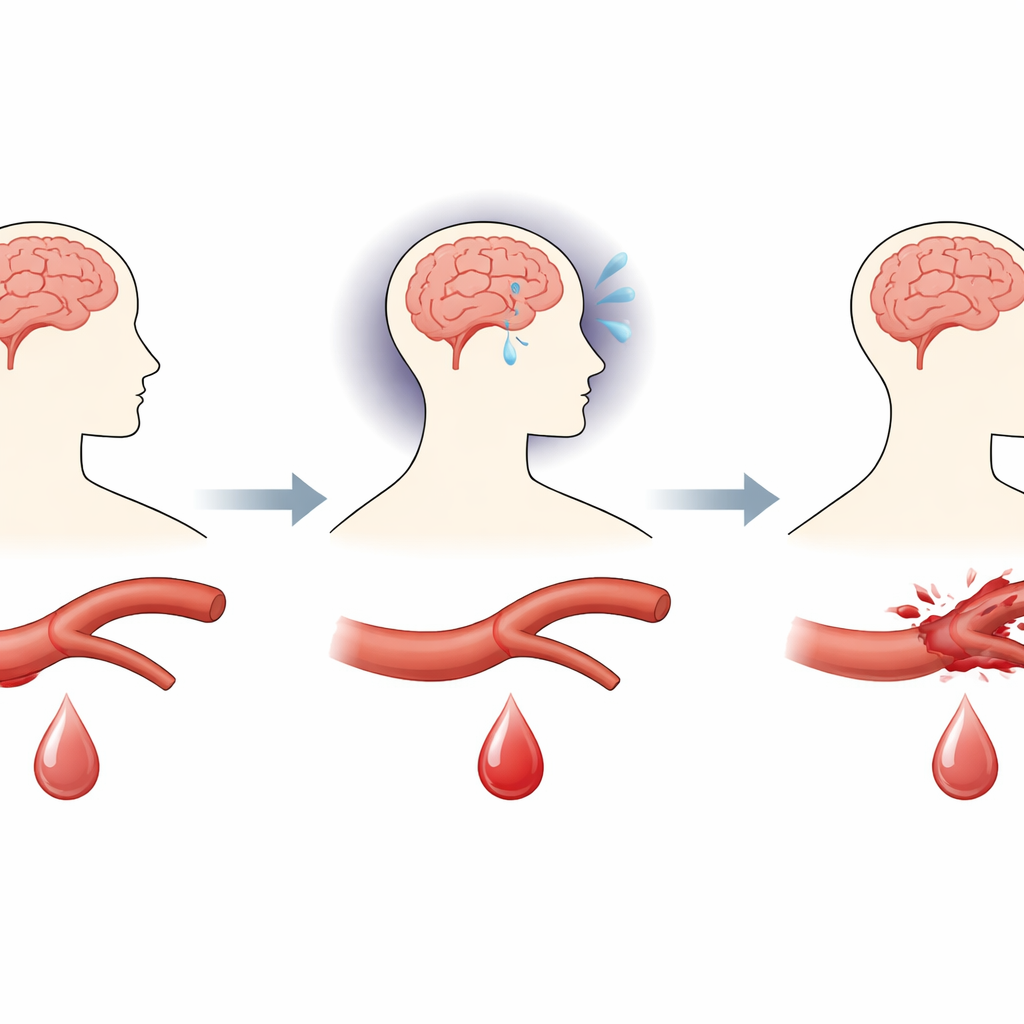
The study suggests that chronic mental stress, at least as captured by this virus‑related blood marker, is unlikely to be a key driver of whether an aneurysm bursts. Instead, the biological traces of stress seem most pronounced in people living for years with the knowledge that they carry a small, unruptured aneurysm. For patients, this means that while emotional strain is real and deserves attention, structural features of the aneurysm and traditional risk factors remain the main concerns for rupture. For clinicians, the findings highlight the psychological burden of “watchful waiting” and point to the need for better support—and perhaps future tools like SITH‑1 antibodies—to track and ease the hidden stress of living with an aneurysm.
Citation: Fuga, M., Koseki, H., Kobayashi, N. et al. Association of anti SITH 1 antibody titer with mental stress and intracranial aneurysms. Sci Rep 16, 8143 (2026). https://doi.org/10.1038/s41598-026-42027-8
Keywords: intracranial aneurysm, mental stress, biomarker, subarachnoid hemorrhage, depression