Clear Sky Science · en
Single-cell transcriptomics reveal heat shock protein dysregulation in severe SARS-CoV-2–associated pediatric encephalopathy
Why this matters for children with COVID-19
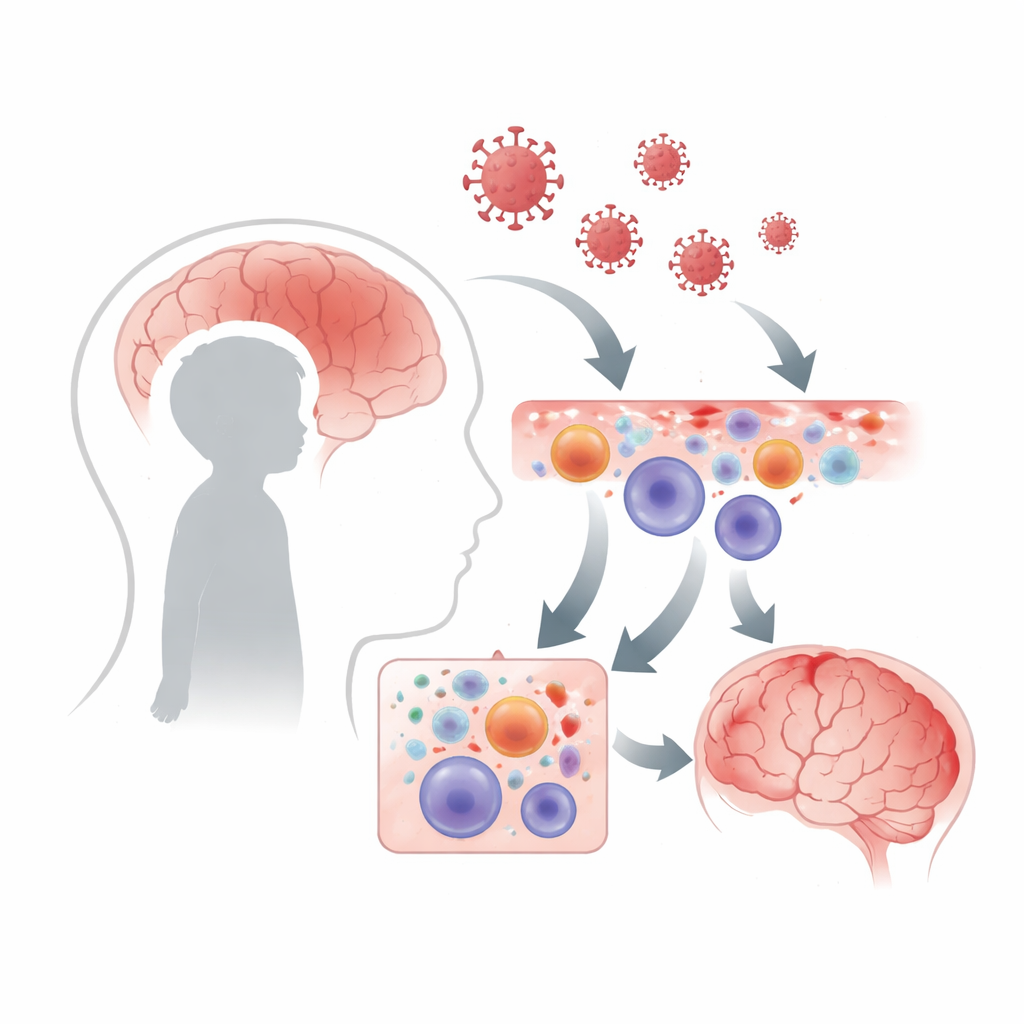
Most children with COVID-19 recover quickly, but a very small number develop sudden, life-threatening brain problems, including severe brain swelling and shock. Doctors still struggle to predict which child will get so sick and why. This study looks deep inside the blood immune cells of affected children, cell by cell, to search for warning signals and hidden triggers—especially a group of “stress responder” molecules called heat shock proteins—that might explain these rare but devastating cases and help doctors spot danger earlier.
Rare but serious brain illness in young patients
Children with acute encephalopathy or encephalitis suddenly develop confusion, seizures, or coma that last more than a day. These conditions often appear during viral infections such as influenza or human herpesvirus 6, and most children recover. Since the Omicron wave, however, reports have increased of COVID-19–linked brain illness in children, some with explosive brain swelling and failure of circulation, conditions tied to high risk of death or severe disability. Because early symptoms can look similar to milder illness, doctors urgently need biological clues in the blood that can distinguish a routine infection from one that is about to threaten the brain.
Looking at immune cells one by one
The researchers studied blood from three children with virus-related brain illness, one child with a simple fever-related seizure, and healthy adults, and also combined these data with public datasets from children with COVID-19 or a related inflammatory condition called MIS-C. Using single-cell RNA sequencing, they read out which genes were switched on in tens of thousands of individual immune cells. This allowed them to see not only which cell types were present—such as B cells, T cells, and monocytes—but also how intensely each cell was responding to infection, and how cells might be “talking” to each other through signaling molecules.
An overactive B-cell surge and stress signals
One infant in the study had a particularly severe form of COVID-19–associated brain illness with rapid, fatal brain swelling and shock. In this child’s blood, taken on the first day of symptoms, B cells—a type of white blood cell that helps make antibodies—were dramatically expanded, nearly half of all circulating immune cells. Within this group, the team identified a distinct cluster of highly activated B cells showing a strong antiviral state and intense cellular stress. These cells, and other immune cell types, showed strikingly increased activity in genes that help cells cope with damage and misfolded proteins, pointing to a system under extreme pressure.
Heat shock proteins as potential danger amplifiers
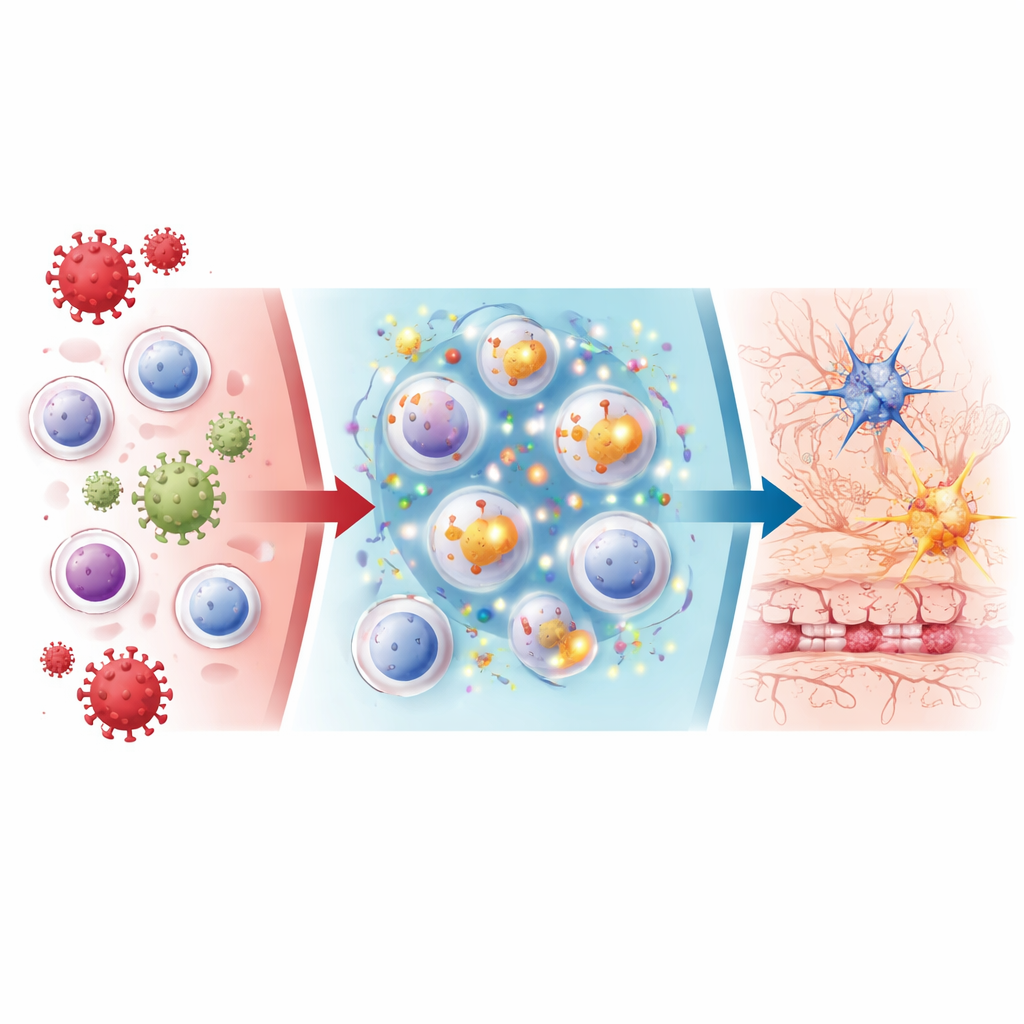
Across many immune cell types, especially monocytes and B cells, two stress-response molecules stood out: HSPA1A and HSPB1, members of the heat shock protein family. These molecules were turned on far more strongly in the severely ill child than in children with milder brain illness, fever seizures, COVID-19 without brain problems, or MIS-C. Blood tests confirmed that the actual protein levels of HSPA1A and HSPB1 in plasma were markedly higher only during the acute, most dangerous phase in the severe case. At the same time, a signaling molecule called macrophage migration inhibitory factor appeared to be heavily engaged in activating immune pathways and B cells, suggesting a network in which stress proteins and inflammatory signals may feed into each other.
What this could mean for care and future research
Heat shock proteins normally help protect cells, but when present at very high levels outside cells they can act as danger signals, spurring immune cells to release more inflammatory molecules and potentially worsening damage to the brain’s protective blood–brain barrier. The findings in this single but carefully analyzed case support a picture in which extreme immune stress and heat shock protein surges may help drive the rare, catastrophic brain complications of pediatric COVID-19. If confirmed in larger studies, measuring HSPA1A and HSPB1 in blood could give clinicians an early warning that a child with COVID-19 is at high risk for severe brain involvement, opening a window for closer monitoring and timely treatment while researchers work to unravel the exact mechanisms and test targeted therapies.
Citation: Suzuki, T., Sato, Y., Suzuki, M. et al. Single-cell transcriptomics reveal heat shock protein dysregulation in severe SARS-CoV-2–associated pediatric encephalopathy. Sci Rep 16, 8916 (2026). https://doi.org/10.1038/s41598-026-41827-2
Keywords: pediatric encephalopathy, COVID-19 and the brain, heat shock proteins, single-cell sequencing, neuroinflammation