Clear Sky Science · en
A multilevel analysis of mortality and determinants among patients with acute respiratory distress syndrome in Ethiopia
Why this study matters for everyday people
Breathing is something most of us never think about until it becomes difficult. Acute respiratory distress syndrome, or ARDS, is a sudden, life-threatening form of lung failure that can strike people already sick with infections, injuries, or other serious conditions. This study from southern Ethiopia looks closely at how often ARDS leads to death in intensive care units, and which warning signs and care patterns are most strongly linked to whether patients live or die. Its findings shed light on the human cost of limited hospital resources and highlight where better care could save lives.
A serious lung crisis in the ICU
ARDS happens when the tiny air sacs in the lungs fill with fluid and can no longer pass oxygen efficiently into the blood. Patients usually need intensive care and strong breathing support. While ARDS has been studied for decades in wealthy countries, far less is known about how often it occurs, and how deadly it is, in low- and middle-income settings like Ethiopia. The researchers set out to measure how common ARDS was in four university hospitals in southern Ethiopia, how many affected patients died in the hospital, and which features of their illness or treatment were most closely tied to those outcomes.
How the researchers studied ARDS patients
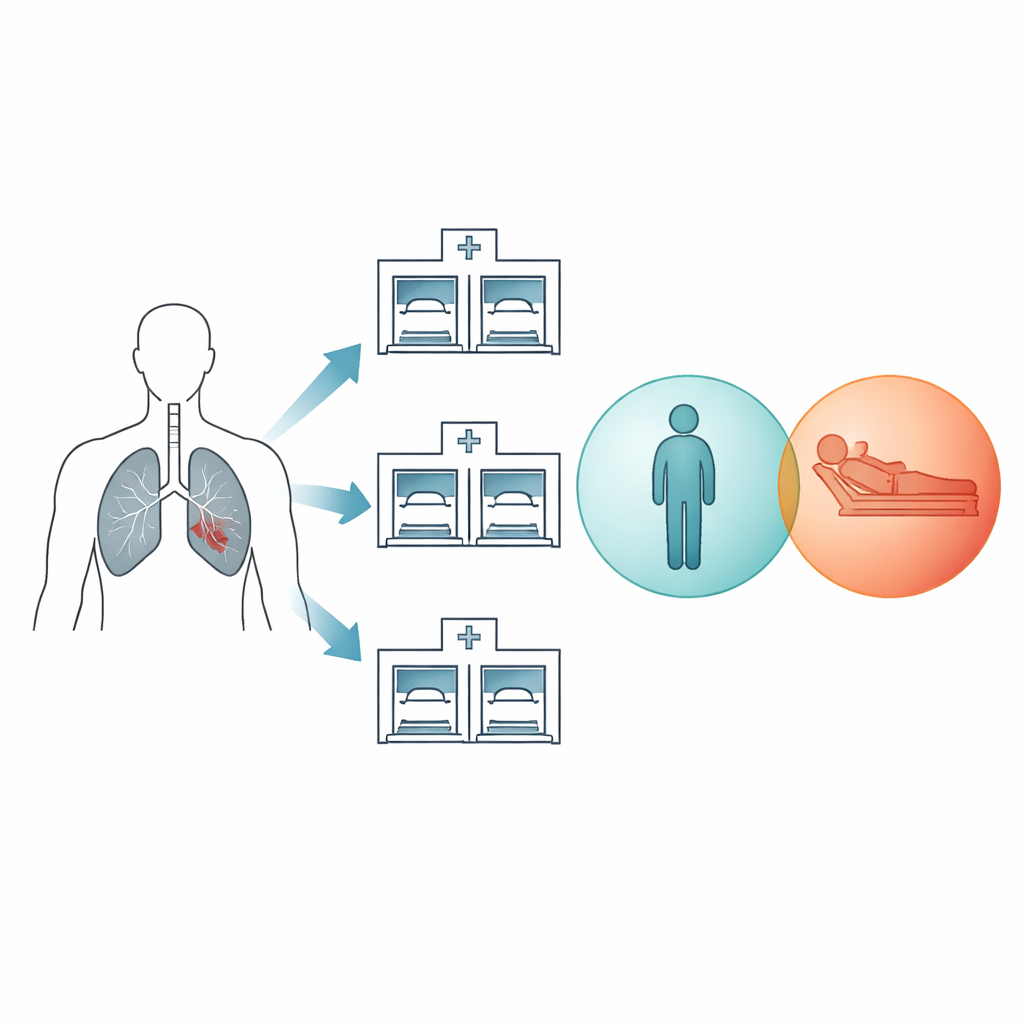
The team reviewed medical records from January 2018 to June 2023 in four teaching hospitals, each with a small intensive care unit. Out of more than 7,000 ICU admissions during those years, 730 patients had ARDS; from these, 340 non–COVID-19 cases with complete data were analyzed. Because advanced blood-gas testing was often unavailable, the hospitals used a simplified version of international ARDS criteria that relies on oxygen readings from a finger probe and lung images. The researchers collected information on age, time of admission, main diagnosis, how severe the ARDS was, whether patients had other illnesses like diabetes or chronic lung disease, what type of breathing support they received, and what complications developed in the ICU.
What they found about death rates
The results were stark. Nearly one in ten ICU patients had ARDS during the study period, and the in-hospital death rate among ARDS patients was about 59 percent—substantially higher than the 30 to 40 percent commonly reported in higher-income countries. Most patients were relatively young by global ICU standards, with an average age of about 40 years, yet severe ARDS was common. Over two-thirds of patients developed at least one complication in the ICU, with ventilator-associated pneumonia, cardiac arrest, and sepsis all occurring frequently. Death was especially common among those with the most severe oxygen failure, suggesting that once ARDS became advanced in these hospitals, survival chances dropped sharply.
Key warning signs and risky situations
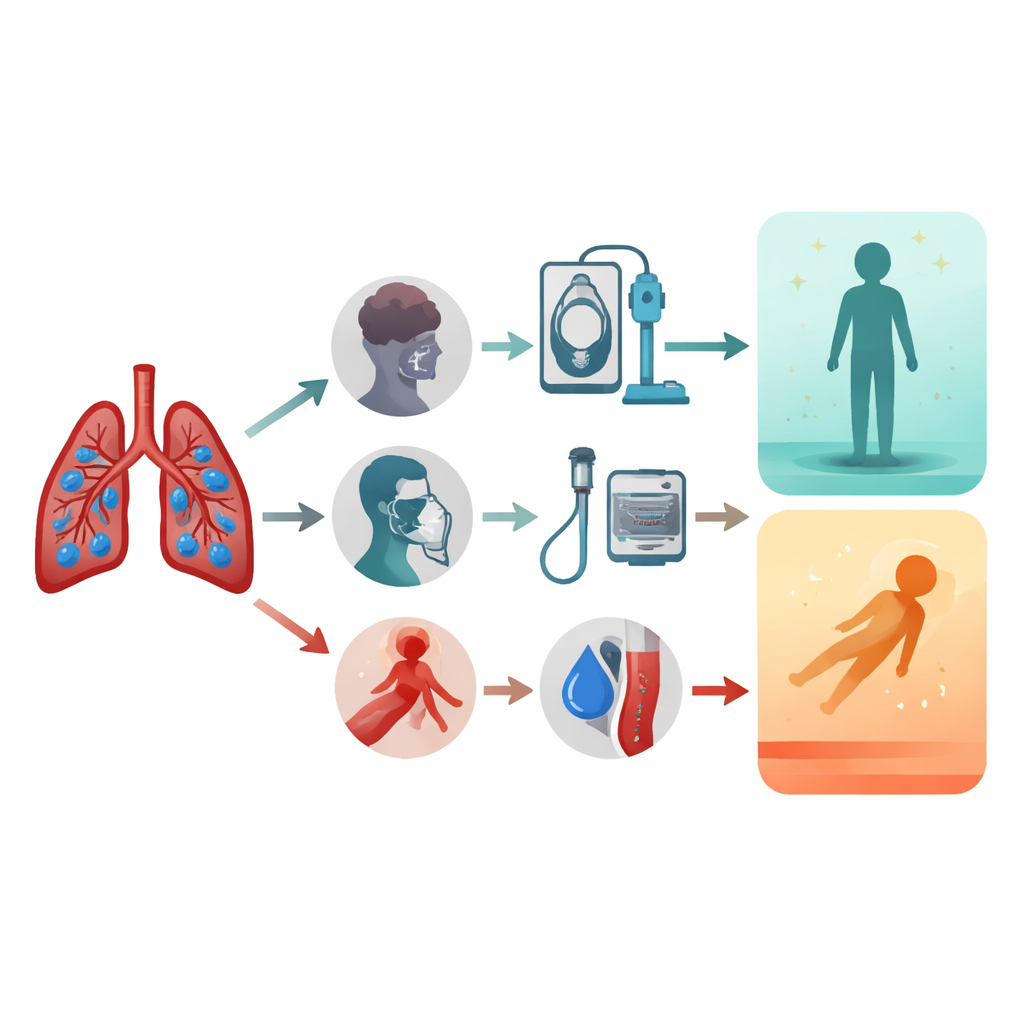
By using a statistical approach that accounted for differences between hospitals, the authors pinpointed several strong predictors of death. Patients who arrived with very low levels of consciousness were more than seven times as likely to die as those who were fully awake. Those with severe ARDS, compared with milder forms, had several-fold higher odds of death. Being admitted at night or on weekends, when staffing and resources may be thinner, was also linked to a much greater chance of not surviving. People whose ARDS was triggered by lung problems such as pneumonia, or by widespread infection (sepsis), fared far worse than those with other causes. Invasive mechanical ventilation—being placed on a breathing machine through a tube—was associated with higher mortality, as were pre-existing lung diseases like asthma or chronic obstructive lung disease and diabetes. Patients who developed pneumonia while on the ventilator were at particularly high risk.
What this means for patients and health systems
For a layperson, the bottom line is that ARDS in these Ethiopian hospitals is both common and often deadly, even among people who are not elderly. The study suggests that survival hinges not only on how sick the lungs are, but also on when and where patients are admitted, how safely breathing machines are used, and how well other illnesses and infections are prevented and treated. The authors argue that improving ICU staffing at night and on weekends, expanding access to trained critical-care specialists, strengthening infection control to prevent ventilator pneumonia, and better managing chronic conditions like diabetes and lung disease could all lower the death toll. While this was a retrospective review and cannot prove cause and effect, it offers a clear message: with targeted investment and careful attention to these risk factors, many lives threatened by ARDS in low-resource settings might be saved.
Citation: Abate, S.M., Kebede, M., Hailu, S. et al. A multilevel analysis of mortality and determinants among patients with acute respiratory distress syndrome in Ethiopia. Sci Rep 16, 11184 (2026). https://doi.org/10.1038/s41598-026-41413-6
Keywords: acute respiratory distress syndrome, intensive care, Ethiopia, respiratory failure, critical illness outcomes