Clear Sky Science · en
Application of ILO ergonomic checkpoints for workplace health and safety assessment in post-conflict small and medium-sized enterprises in the Kurdistan Region of Iraq
Why safer jobs matter for everyday life
In many parts of the world, small workshops and factories keep local economies running, yet the people who work in them often face serious risks. This study looks at workplace health and safety in small and medium-sized enterprises in the Kurdistan Region of Iraq, an area rebuilding after years of conflict. By using a practical checklist developed by the International Labour Organization, the researchers show where safety is working, where it fails, and how simple changes and better management could protect thousands of workers while supporting economic recovery.
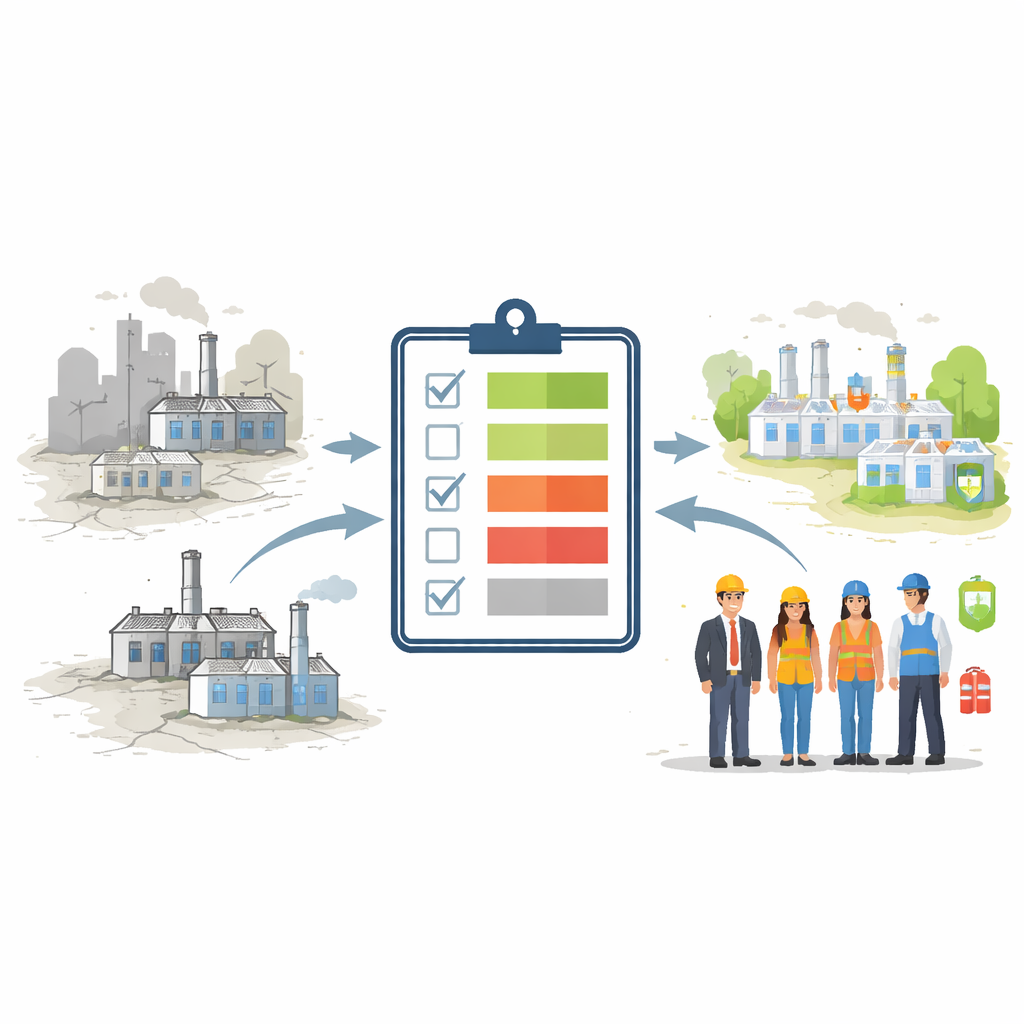
Factories in a fragile setting
The Kurdistan Region of Iraq has seen rapid growth in small businesses in food production, construction, metalwork, furniture, and chemical processing. Many of these businesses operate with little government oversight and few formal safety rules. In post-conflict settings like this, inspection systems are weak, many workers are informally employed, and owners may underreport staff or hazards to avoid extra costs. The result is a work environment where injuries, unsafe machines, and poor emergency planning can become the norm rather than the exception.
A hands-on safety checklist
To get a clear and comparable picture of conditions, the researchers used the ILO “ergonomic checkpoints” tool, a set of simple yes–no questions about how work is organized and how tools, machines, and workplaces are set up. They visited 70 registered businesses with fewer than 100 employees and walked through each site, observing tasks and talking with managers and workers. The checklist covered eight areas, including how materials are lifted and moved, how safe and well maintained machines are, whether noise, heat, and lighting are controlled, how prepared companies are for fires or other emergencies, and how much workers are involved in safety decisions and training. Every missing or weak measure added to a company’s total risk score.
What the scores revealed
On paper, the average safety score suggested only moderate compliance with good practice, but the details told a more troubling story. Businesses scored well on low-cost changes such as how jobs are assigned or how hand tools are selected and used. These aspects mostly depend on day-to-day organization and do not require major investment. By contrast, control of physical hazards like noise, heat, and poor lighting scored very poorly, and machine safety was only middling. These are the areas that demand better buildings, safer equipment, and engineering fixes, which are hardest to afford in small firms with limited capital.
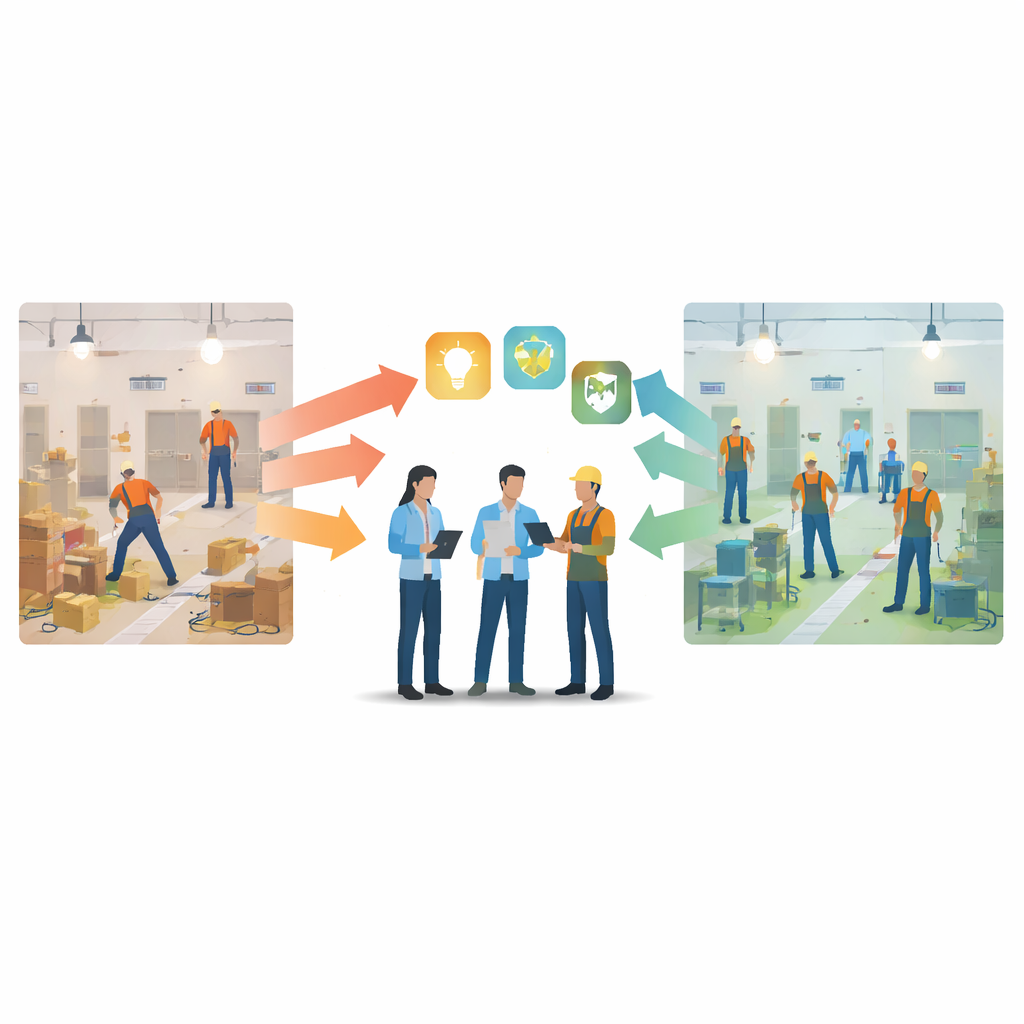
Different sectors, different risks
Safety performance was far from uniform across industries. Service-oriented firms tended to have the best scores, while chemical and plastic factories and some food and construction businesses lagged behind and reported many more accidents. Even after the researchers adjusted for workforce size, wages, how long the company had been operating, and the age of workers, the type of factory still made a clear difference. One factor that did stand out across sectors was the experience of the person in charge: companies led by more seasoned managers generally achieved better safety scores, hinting that know-how and leadership may matter more than sheer size or pay level when it comes to prevention.
A roadmap for better, fairer work
The authors conclude that small and medium-sized businesses in this post-conflict region face serious but fixable gaps in protecting their workers. The study shows that a simple, structured checklist can reveal where the biggest dangers lie and points to practical remedies: targeted safety training, involving workers in spotting and solving risks, and supporting managers to build a stronger safety culture. By proposing a model that links company features like manager experience and workforce size to overall safety scores, the work offers a starting point for future data-driven policies. For ordinary workers, the message is hopeful: even in fragile economies, clear standards, engaged leadership, and modest investments can turn hazardous jobs into safer, more dignified work.
Citation: Ali, M.Q., Akbarzadeh, O., Ahmadpour, R. et al. Application of ILO ergonomic checkpoints for workplace health and safety assessment in post-conflict small and medium-sized enterprises in the Kurdistan Region of Iraq. Sci Rep 16, 8685 (2026). https://doi.org/10.1038/s41598-026-41231-w
Keywords: workplace safety, small businesses, post-conflict industry, ergonomics, Iraq Kurdistan