Clear Sky Science · en
Do pastoral and agro-pastoral perceptions align with observed climate extremes? Evidence from the Koh-e-Suleiman Range, Pakistan
Why local voices on climate matter
In the remote Koh-e-Suleiman mountains of Pakistan, families who herd goats, sheep, cattle, and camels live face-to-face with shifting weather. Their livelihoods depend on rain arriving on time, pastures staying green, and rivers not turning into raging torrents. This study asks a deceptively simple question with big implications: do these herders’ own impressions of changing heat, rain, floods, and drought match what long-term weather records actually show? The answer helps determine how well at-risk communities understand the hazards bearing down on them, and how scientists and officials should talk about climate risks.
A harsh landscape under growing pressure
The Koh-e-Suleiman Range forms a rugged spine between Pakistan’s Punjab and Balochistan provinces. Rainfall is low and highly seasonal, temperatures are high, and villages are scattered along steep slopes. Most households raise livestock and move seasonally to follow scarce grass and water. Because there are few weather stations and little previous research on local herders, the region is both environmentally fragile and scientifically underdocumented. Yet Pakistan ranks among the world’s most climate-affected countries, with recent catastrophic floods underscoring how exposed mountain and foothill communities have become.
Linking lived experience with long-term records
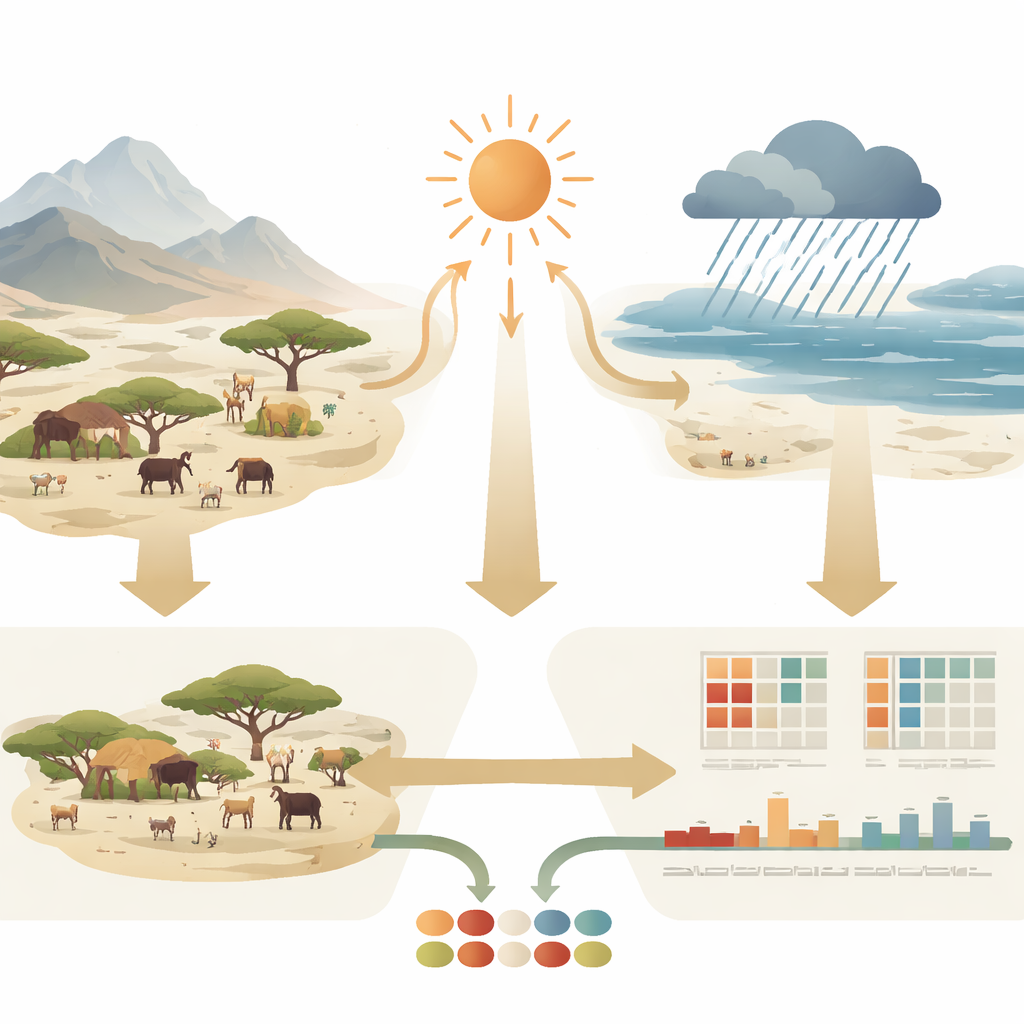
The researchers interviewed 198 household heads from three major tribes between late 2023 and early 2024, using carefully translated questionnaires in the local language. Participants were asked whether they thought temperature, warm and cold spells, total rainfall, rain intensity, floods, and drought spells had increased, decreased, or stayed the same over recent decades. In parallel, the team worked with national meteorological data covering 1980–2022, using internationally standard indices that track extremes such as very hot nights, long hot or cold spells, heavy rain days, and long dry stretches. Statistical tests were applied to detect real trends in these indices, and each person’s answers were classified as accurate, overestimating, or underestimating the measured changes.
Where people are right—and where they are not
For the most visible and disruptive hazards, the herders’ memories lined up strikingly well with the instruments. Weather records show that nights have warmed, hot spells last longer, and total yearly rainfall and typical rain intensity have risen since 1980. Most respondents reported exactly these patterns: over 80% said temperature, warm spells, and rain intensity had increased, and nearly 88% perceived more floods. They also recognized that cold spells have become rarer. In these cases, perception accuracy exceeded 70–80%, suggesting that repeated, concrete experiences—sleepless hot nights, stressed animals, and damaging floods—strongly anchor people’s understanding of climate change.
The puzzle of drought in a land of stronger rains
The biggest mismatch emerged around drought spells. The meteorological index that tracks long runs of dry days showed no clear long-term trend. Yet about 60% of respondents believed drought spells had increased, and only one quarter were judged accurate. Many also simultaneously reported both heavier rain and more drought. Rather than simple confusion, the authors argue, this reflects how people experience climate: short, intense dry episodes that hurt pasture and fodder supply loom larger in memory than multi-decade averages. A few severe dry years—such as in 2021–2022—can firmly shape local narratives, even if the longer record does not show an overall drying. In other words, drought is understood through the lens of livelihood shocks, not statistics.
Who sees climate change most clearly
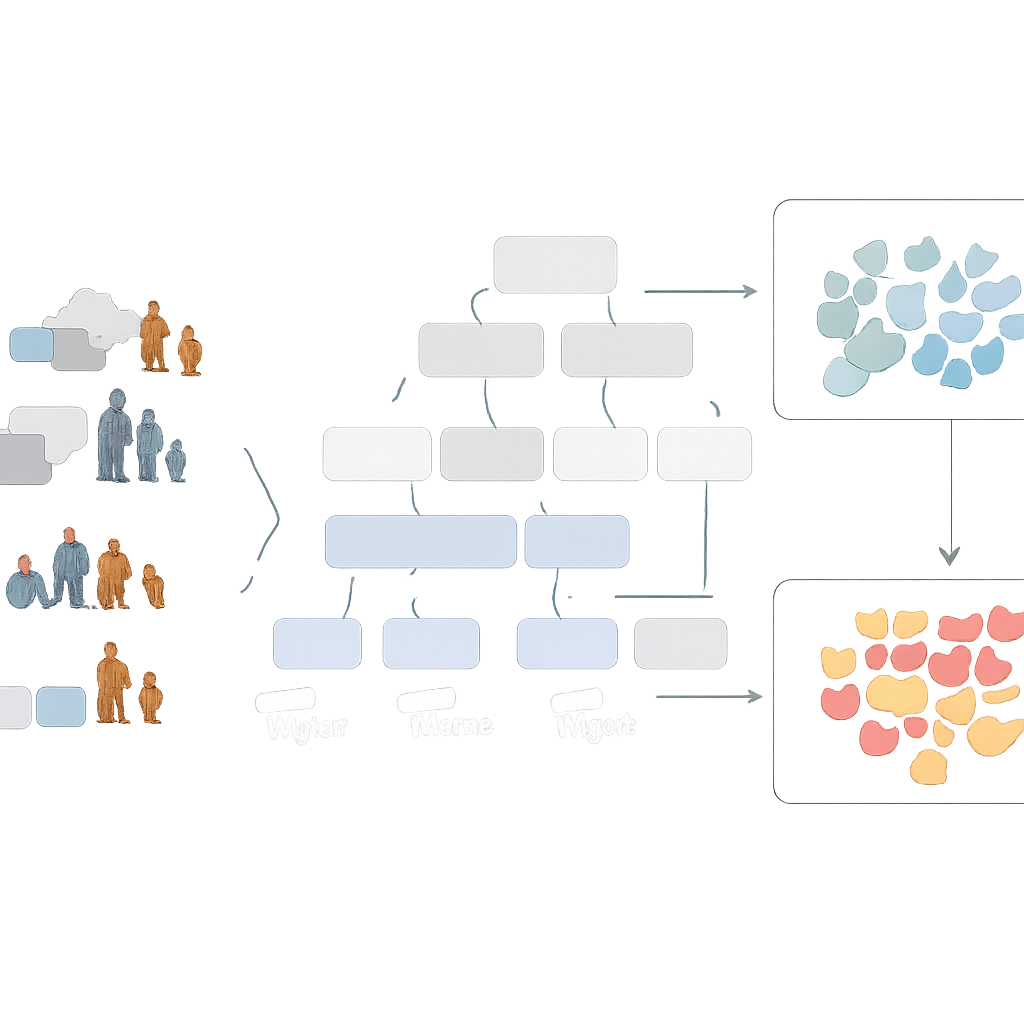
To see what shapes these perceptions, the team combined classic regression techniques with decision-tree style machine-learning models. Education stood out as a consistent aid to accuracy, especially for judging cold spells and rainfall, and reduced the likelihood of serious misjudgment. Age and wealth also mattered, but in complex ways. Older and better-off respondents, and those with larger herds, were generally more accurate about some trends, yet large herd owners were also more prone to overstate flood and heavy-rain risks—perhaps because their livelihoods make them especially sensitive to any such events. Decision trees showed sharp thresholds: for example, people with smaller herds and lower incomes, especially younger ones, were most likely to overinterpret any dry period as a full-fledged drought.
What this means for climate communication
For non-specialists, the key message is that local climate perceptions in this mountain region are neither random nor simply wrong. Herders are highly attuned to heat, heavy rain, and floods, and their views broadly mirror what decades of data reveal. Where they diverge—most clearly for drought spells—the gap reflects real vulnerability and the emotional weight of recent shocks, not ignorance. The study concludes that climate information and early warning systems must build on this experiential knowledge, while also carefully explaining less visible trends. Tailoring messages to education levels, age groups, and degrees of dependence on livestock can help communities better align their risk decisions with both their lived experience and the broader climate signal.
Citation: Tareen, W.U.H., Schlecht, E. Do pastoral and agro-pastoral perceptions align with observed climate extremes? Evidence from the Koh-e-Suleiman Range, Pakistan. Sci Rep 16, 8275 (2026). https://doi.org/10.1038/s41598-026-41100-6
Keywords: climate perceptions, pastoral communities, Pakistan mountains, climate extremes, drought and floods