Clear Sky Science · en
Navigating menopausal health in Oman (Marie Oman WP2a)
Why This Stage of Life Matters
As women live longer, more of life is spent in and beyond the menopausal years. Yet in many places, including Oman, this transition is rarely talked about, even though it can affect sleep, mood, family life, work, and long‑term health. This study listened in depth to Omani and expatriate women to understand what menopause really feels like, what helps, and where the health system is falling short. Their stories reveal not just physical changes, but how culture, faith, and healthcare shape everyday life at midlife.
Listening to Women’s Everyday Stories
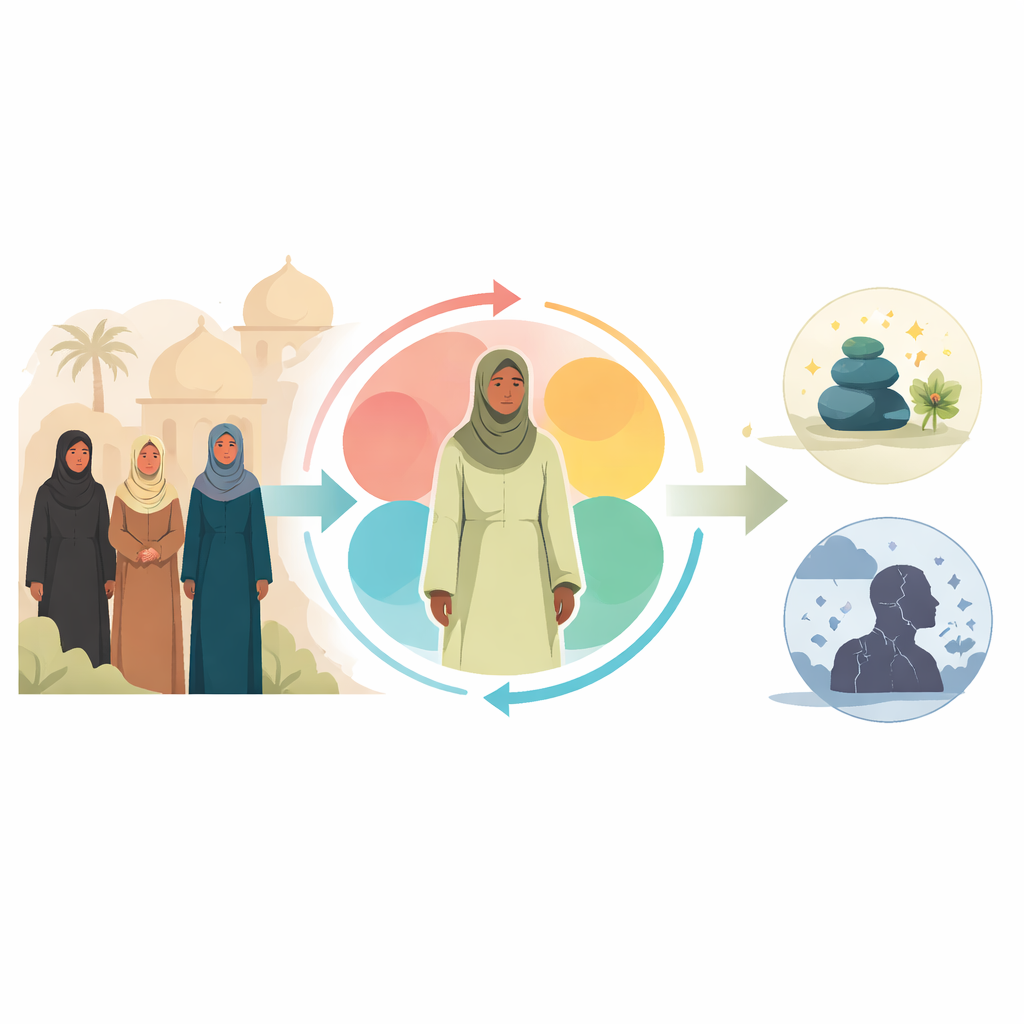
Researchers carried out long, private interviews with 25 women living in Oman, including Omani nationals and expatriates from South Asia and elsewhere. Women were at different stages: approaching menopause, in it, or years beyond it, and included those whose periods stopped naturally as well as after surgery or medical treatment. Interviews were held in Arabic or English, recorded, and carefully analysed. The team organised what they heard into four lenses: the body, the mind, social and family life, and the health system. This approach helped them see how all these parts of life interact rather than treating menopause as a purely medical event.
How the Body and Mind Are Affected
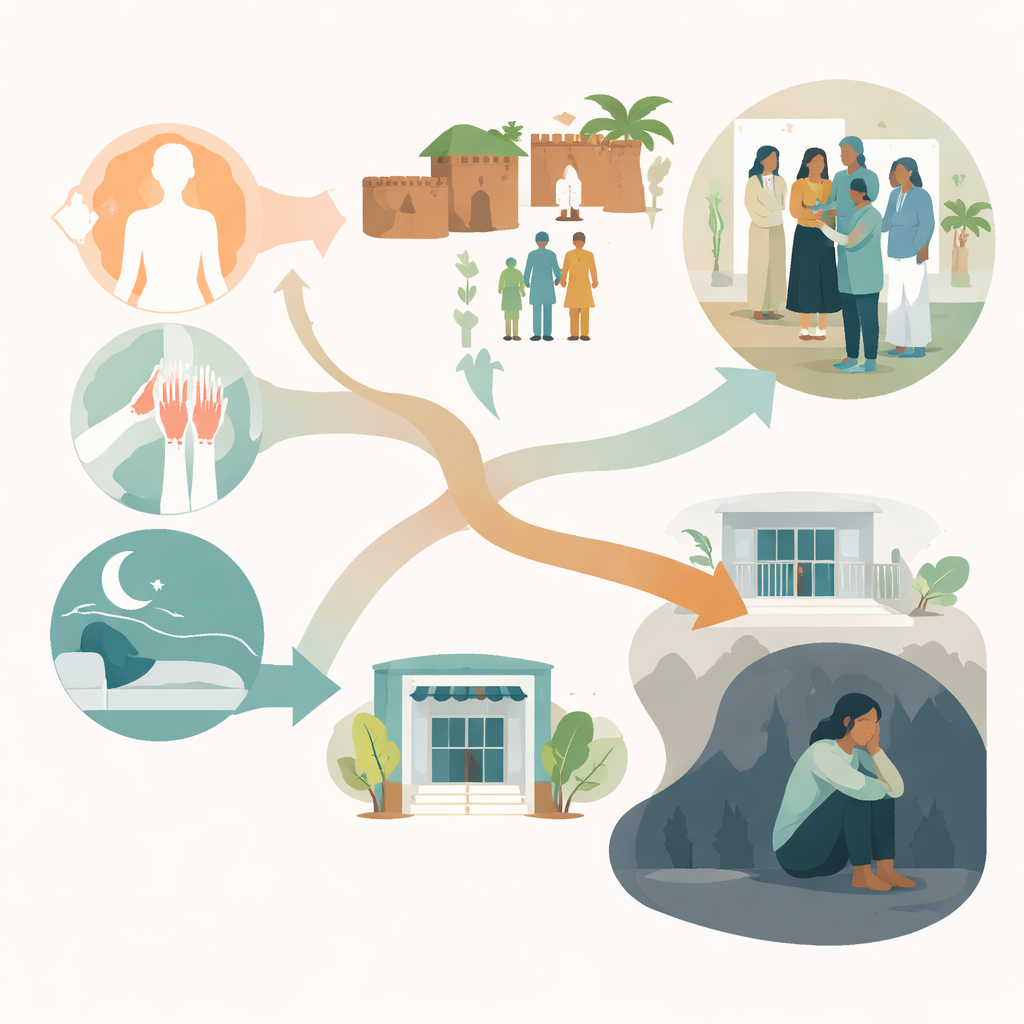
Women described a wide range of bodily changes. Many spoke of sudden heat and sweating at night, using phrases like “internal heat” to describe hot flushes, along with poor sleep, joint and back pain, and occasional bladder leakage. For some, symptoms were mild and simply seen as part of getting older. For others, they were exhausting, making basic housework or walking difficult. Sleep loss was especially draining, leading to daytime tiredness and low mood. Emotionally, women reported irritability, anxiety, and feeling unlike themselves, particularly when symptoms were severe and they still had heavy caregiving demands. Most coped through rest, herbal remedies, pacing their activities, and drawing deeply on prayer and spirituality, which many found calming and strengthening. Formal psychological support, such as talking therapies, was essentially absent from their experiences.
Silence, Shame, and Quiet Support
Beyond the body, social expectations strongly shaped how women navigated this stage. In many families, menopause was treated as a private or even shameful topic. Women often avoided the word itself, using softer expressions instead and steering clear of sensitive issues such as vaginal dryness, pain, or changes in sexual interest. Conversations, when they happened, were usually brief and limited to trusted female relatives or close friends. Despite this silence, informal support networks mattered: daughters and sisters sometimes helped with chores or offered reassurance. Yet the same cultural patterns that valued modesty and self‑sacrifice also meant women continued to shoulder heavy household and caregiving duties, even when in pain or exhausted. Expatriate women often relied more on friends, alternative medicine, and community advice because of extra barriers around cost, language, and access.
Gaps in Clinics and Care
Inside clinics, menopause was largely invisible. Doctor visits focused on blood pressure, diabetes, or other chronic illnesses, and health professionals seldom asked about hot flushes, mood, sleep, or intimate problems unless women raised them first. Options for hormone therapy were narrow, often limited to tablets, and information about benefits and risks, including fears around breast cancer, was patchy. Women wanted clearer explanations, more choices such as patches or gels, and services that also offered lifestyle advice, exercise, and mental health support. Those who had their menopause triggered suddenly by surgery or medical treatment felt especially unprepared, saying they were not warned about how drastic the change might feel or how to manage it afterward. Women in rural areas faced additional hurdles of distance and fewer services, widening the gap in care.
What Needs to Change and Why It Matters
To the women in this study, menopause was both a natural, spiritually meaningful stage and a source of unspoken strain. The research shows that many are enduring troubling symptoms in silence, without enough information or support from the health system. The authors conclude that Oman needs culturally sensitive, affordable, and easily accessible services for midlife women, including better training for health workers, broader treatment choices, and public education that reduces stigma while respecting religious and cultural values. In simple terms, helping women through menopause is not just about easing hot flushes; it is about protecting their long‑term health, supporting the families who depend on them, and recognising this life stage as a public health priority rather than a private burden.
Citation: Al Kharusi, L., Al Riyami, N., Gowri, V. et al. Navigating menopausal health in Oman (Marie Oman WP2a). Sci Rep 16, 8652 (2026). https://doi.org/10.1038/s41598-026-41071-8
Keywords: menopause, women’s health, Oman, cultural beliefs, healthcare access