Clear Sky Science · en
Development and pilot testing of the AMPS model for predicting ICU mortality in low and middle income countries
Why this matters for patients in poorer countries
In many low- and middle-income countries, intensive care units (ICUs) have only a handful of beds and life-support machines to share among large numbers of critically ill patients. Doctors often must make rapid, high‑stakes decisions about who is most likely to benefit from intensive care, but most prediction tools were designed in wealthier hospitals with far more equipment and lab tests. This study describes a new, simple bedside score—called the AMPS score—built specifically for low‑resource ICUs, and tests how well it can predict which patients are most at risk of dying.
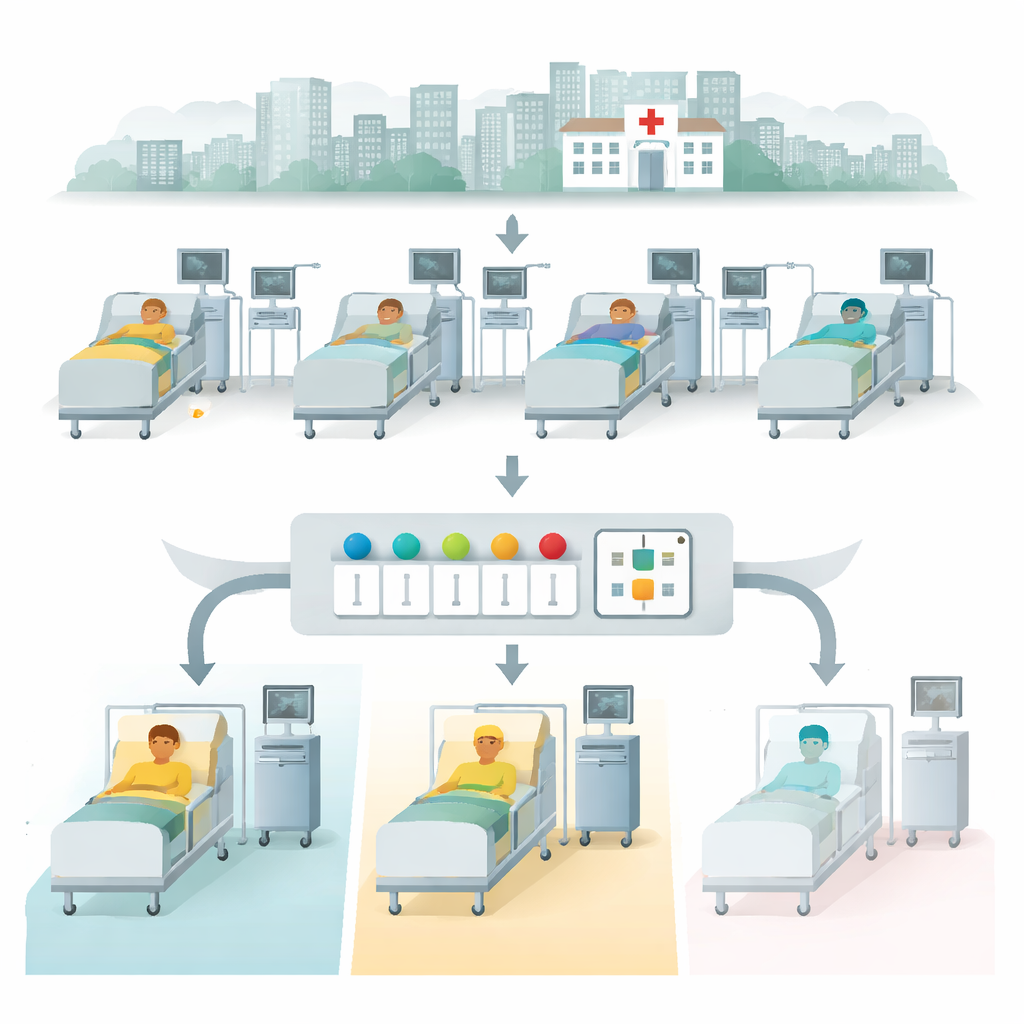
A simple score built for real‑world constraints
The researchers started by surveying previous studies from low‑ and middle‑income countries to identify which patient features most often signaled danger in the ICU. They selected seven factors that are easy to judge quickly and do not depend on sophisticated technology: severely altered consciousness, need for a breathing machine, failure of more than two organ systems, very low blood pressure or need for drugs to keep it up, a serious illness the doctor believes is unlikely to be reversible, signs of infection, and very low blood levels of the protein albumin, a marker tied to both severe illness and poor nutrition. Each factor counts as one point, giving a total score from zero to seven that can be calculated within the first day in the ICU.
Testing the score in a crowded Ethiopian ICU
To see if this simple checklist really predicted outcomes, the team analyzed records from 265 adults treated in the medical and surgical ICUs of Black Lion Hospital, a busy referral center in Addis Ababa, Ethiopia, over one year. Patients were relatively young by high‑income standards, with an average age around 40, and many had potentially curable conditions such as infections, injuries, or complications after surgery. For each patient the researchers noted which of the seven AMPS factors were present shortly after ICU admission, then tracked who survived to hospital discharge and who did not.
How well the new tool predicted survival
The AMPS score closely matched what actually happened to patients. When the score was zero—none of the seven danger signs present—the predicted chance of death was about 3 percent, and the observed death rate was 2 percent. As the score rose, the risk climbed steeply: a score of three corresponded to a predicted mortality of 61 percent and an observed rate of 64 percent. Overall, the score correctly classified survival or death in roughly 86 percent of cases. Statistical tests showed that AMPS separated high‑risk from low‑risk patients better than two commonly used approaches: the Mortality Probability Model II, a more complex international scoring system, and a simpler four‑level ICU priority category used locally for triage.
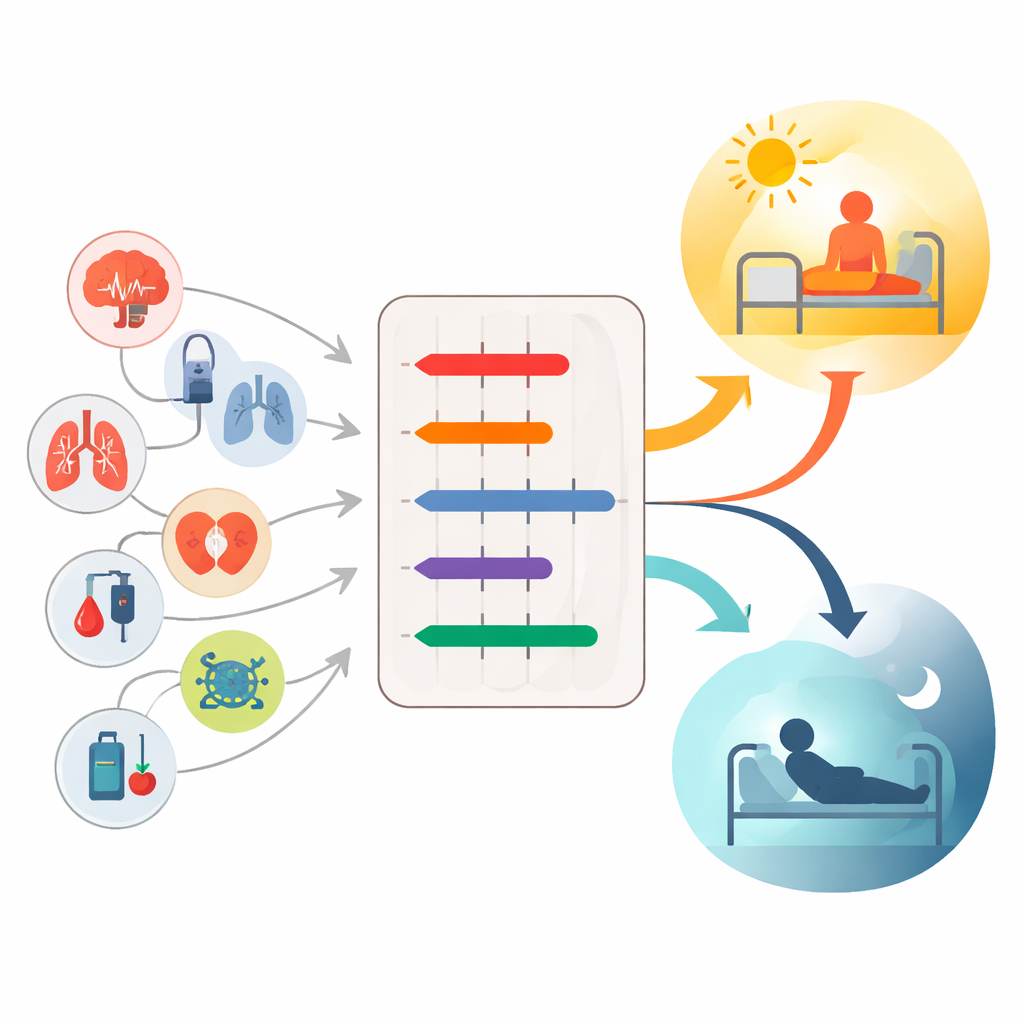
Why these seven warning signs stand out
The seven AMPS ingredients reflect signals that doctors everywhere recognize as ominous, but they are especially relevant in poorer settings. Deep coma, persistent shock, dependence on a ventilator, and multiple organ failure all indicate that the body is overwhelmed. Infection and severe malnutrition are widespread in low‑income regions and strongly tied to poor outcomes, so including suspected infection and very low albumin makes the score sensitive to local realities. Finally, the doctor’s own judgment that a condition is probably irreversible adds a layer of clinical insight that may capture subtleties not visible in numbers alone, albeit at the cost of introducing some subjectivity.
What this means for future ICU care
For a layperson, the main message is that a short checklist using seven readily observed features can give ICU teams in resource‑limited hospitals a surprisingly accurate early estimate of a patient’s chance of survival. This does not tell doctors who should or should not receive care, but it can support fairer triage, guide conversations with families, and help hospitals plan how to use scarce beds and machines. Because the study took place in a single Ethiopian hospital with a modest number of patients, the AMPS score still needs to be tested and refined in other countries and types of ICUs. If future studies confirm its reliability, it could become a practical decision‑support tool to improve critical care where needs are greatest and resources are few.
Citation: Debebe, F., Weldetsadik, A.Y., Laytin, A. et al. Development and pilot testing of the AMPS model for predicting ICU mortality in low and middle income countries. Sci Rep 16, 11182 (2026). https://doi.org/10.1038/s41598-026-41056-7
Keywords: ICU mortality, risk scoring, low-resource hospitals, critical care triage, Ethiopia