Clear Sky Science · en
A nutritional risk index-based nomogram for predicting prognosis and identifying induction chemotherapy beneficiaries in nasopharyngeal carcinoma
Why nutrition matters in hidden head and neck cancer
Nasopharyngeal carcinoma is a cancer that starts deep behind the nose, often without clear symptoms until it is advanced. While modern radiation and chemotherapy have improved survival, many patients still face relapse and serious side effects. This study asked a deceptively simple question with big implications: can a person’s basic nutritional health, measured with routine clinic tests, reliably forecast how well they will do—and even help doctors choose who truly needs extra rounds of chemotherapy?
A simple score from everyday health data
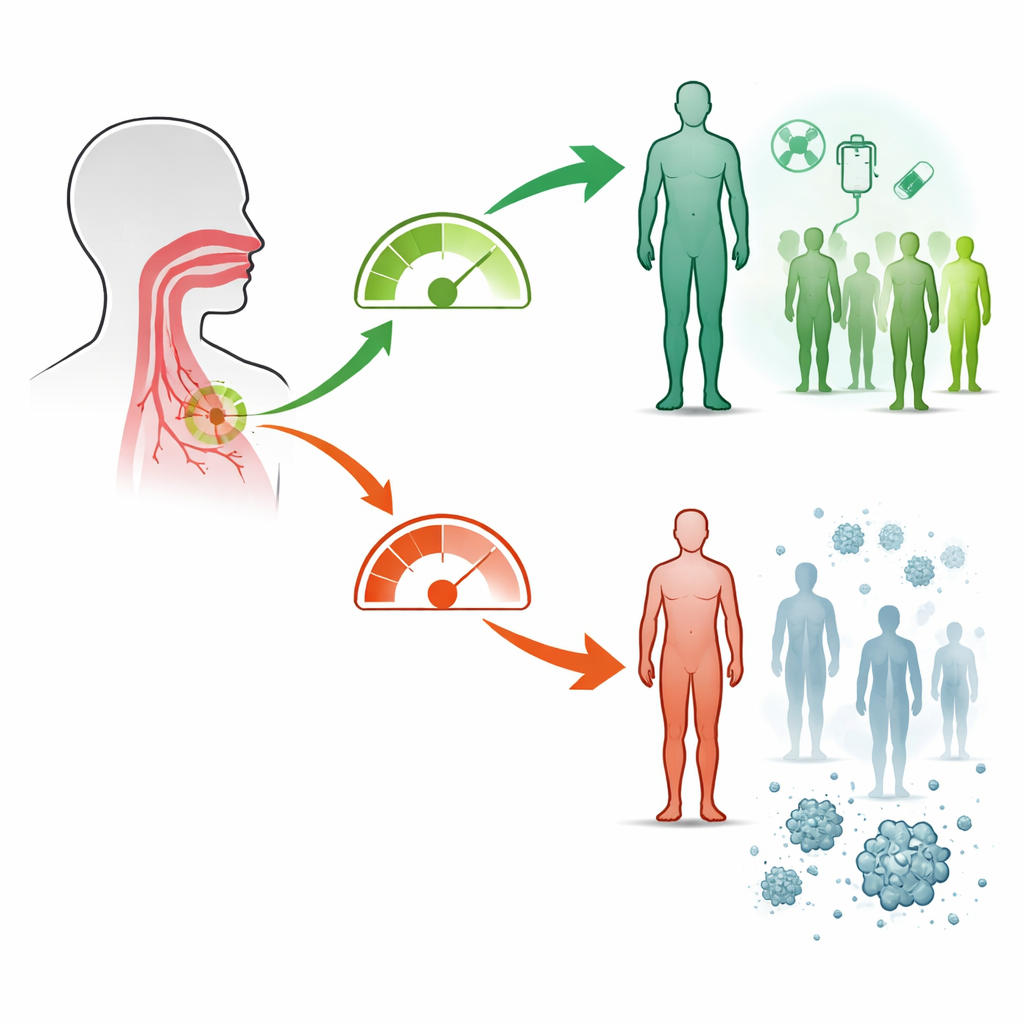
The researchers focused on the nutritional risk index, or NRI, which combines blood albumin (a protein that drops with poor nutrition or illness) and the balance between a person’s current and ideal body weight. Unlike single measures such as weight loss alone, the NRI is meant to capture overall nutritional reserves. The team analyzed records from 1,174 people with nasopharyngeal cancer treated at two hospitals in China. All had non-metastatic disease and received modern, precisely targeted radiotherapy; more than 80 percent also had chemotherapy before or during radiation. By tracking survival, relapse, and spread of cancer over several years, the investigators tested whether the NRI at diagnosis could predict long-term outcomes.
Better nourishment, better chances
Patients were divided into two groups based on the median NRI value. Those with a higher NRI—reflecting better nutritional status—consistently had fewer relapses and lived longer than those with a lower NRI. This pattern held true in both the original hospital group and the separate validation group. Importantly, NRI was not just a mirror of tumor size or stage: it did not correlate closely with how far the cancer had spread locally or to lymph nodes. Instead, it captured something about the patient’s overall condition that standard staging missed, suggesting that body reserves and resilience at the start of treatment independently shape the odds of cure.
Turning numbers into a personalized risk map
To make these findings useful at the bedside, the authors built a “nomogram”—a visual calculator that blends several key factors into a single risk score. They combined age, the extent of the primary tumor, lymph node involvement, and NRI to estimate the chance of being alive and free of progression at one, two, and three years after treatment. When tested, this tool separated patients into low- and high-risk groups with strikingly different outcomes: in the low-risk group, nearly 98 percent were alive at three years, compared with about 81 percent in the high-risk group. The predictions closely matched what actually happened in both hospitals, and decision-curve analyses suggested the model could offer more clinical benefit than relying on any single factor alone.
Who really needs extra chemotherapy?
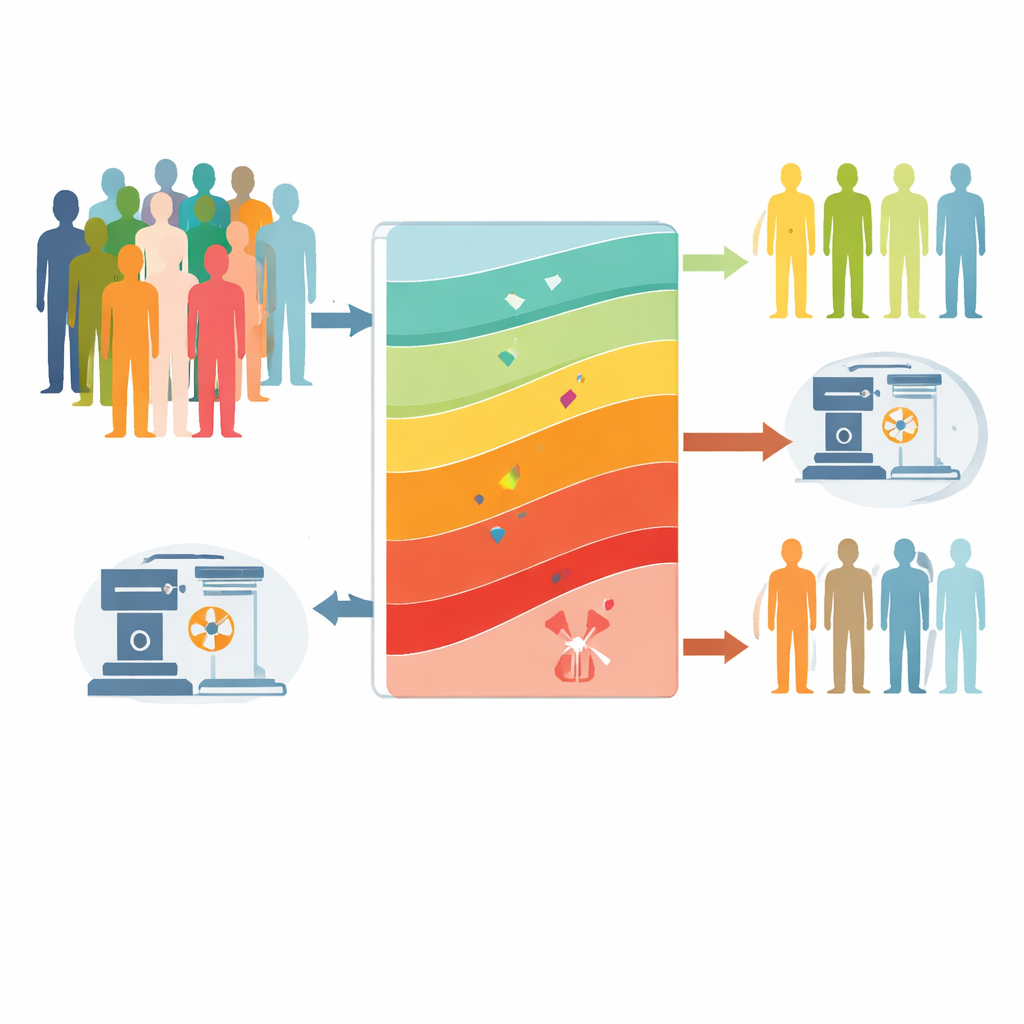
The most practical insight came from looking at treatments within these risk groups. Among high-risk patients, those who received induction chemotherapy before radiation (with or without chemotherapy during radiation) had clearly better survival and fewer disease progressions than high-risk patients treated with radiation-based therapy alone. In contrast, low-risk patients did just as well without the added chemotherapy as they did with it. For them, extra drugs brought potential side effects without measurable benefit, and could even delay the start of decisive radiotherapy. This pattern suggests that the nomogram can help steer heavier treatment toward those who stand to gain the most, while sparing others unnecessary toxicity.
What this means for patients and doctors
In simple terms, this study shows that a person’s nutritional health at diagnosis is not just background detail—it is a powerful signal of how they will fare with cancer treatment. By folding NRI into an easy-to-use risk score alongside age and tumor features, doctors can more accurately sort nasopharyngeal cancer patients into groups that either do or do not benefit from extra chemotherapy. For patients, it underscores that maintaining good nutrition is part of treatment, not an afterthought, and that routine lab tests and weight checks can help guide truly personalized care.
Citation: Cai, S., Wang, J., Li, Y. et al. A nutritional risk index-based nomogram for predicting prognosis and identifying induction chemotherapy beneficiaries in nasopharyngeal carcinoma. Sci Rep 16, 8848 (2026). https://doi.org/10.1038/s41598-026-40939-z
Keywords: nasopharyngeal cancer, nutritional status, chemotherapy decisions, risk prediction, radiation therapy