Clear Sky Science · en
Nationwide assessment of community pharmacists’ practices and atorvastatin–drug interactions in Egypt
Why your local pharmacist matters for heart health
Many people take atorvastatin, a common cholesterol-lowering pill that helps prevent heart attacks and strokes. But this medicine can interact with other drugs in ways that may damage muscles, the liver, or the heart. This study looked across Egypt to see how community pharmacists handle these risky combinations in everyday practice, and what they are actually seeing at the pharmacy counter. The findings shed light on how well the country’s medicine experts are protecting patients—and where support is still needed.
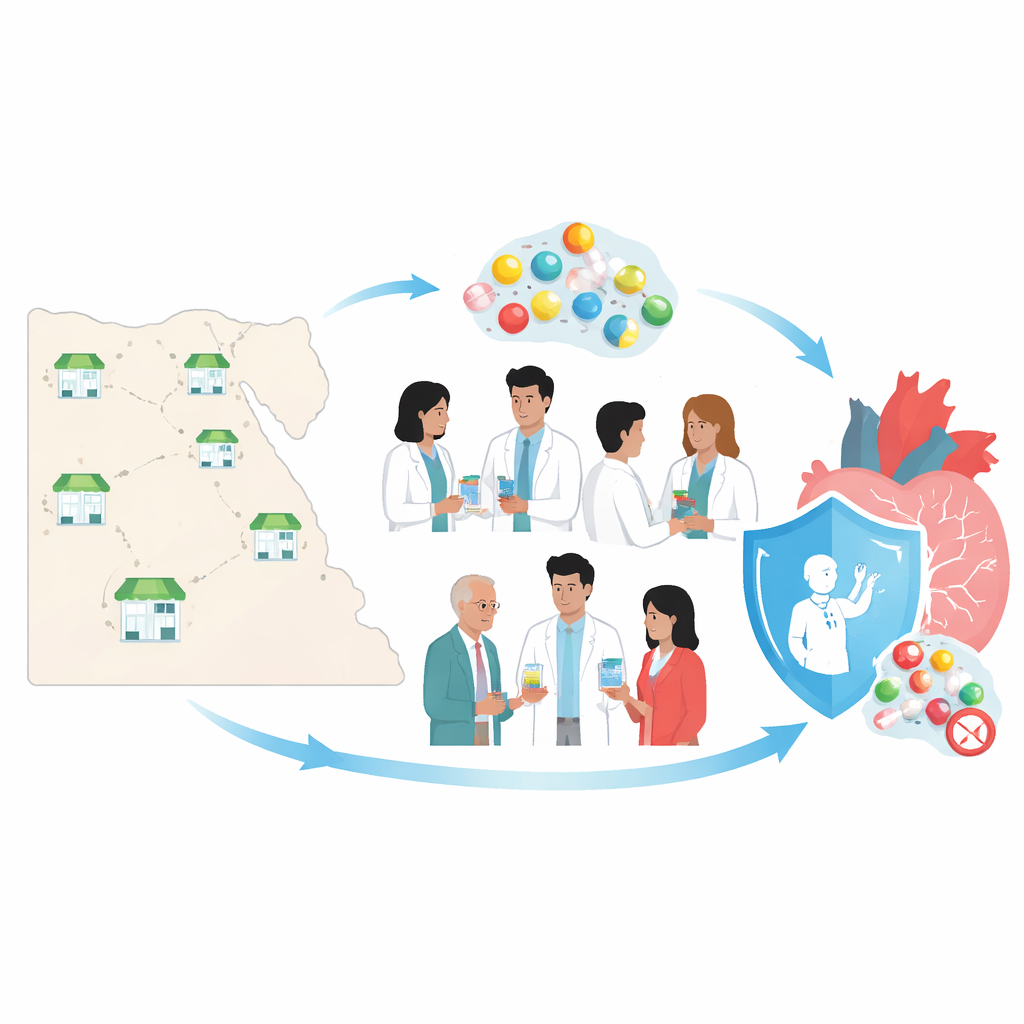
Heart pills and hidden risks
Cardiovascular disease is the top killer in Egypt, and high cholesterol affects more than a third of adults. Atorvastatin is the most commonly prescribed statin in the country because it effectively lowers harmful blood fats. Yet the same drug can cause muscle pain, severe muscle breakdown, and liver problems, especially when combined with certain antibiotics, immune-suppressing drugs, or heart medicines. Around six in ten of the most severe statin-related muscle breakdown cases worldwide are linked to such drug–drug interactions, making it crucial that someone on the front line spots risky combinations before harm occurs.
Taking the pulse of pharmacies across Egypt
To understand what is happening in real life, researchers conducted a large online survey of licensed community pharmacists working in all 27 Egyptian governorates. After removing duplicate or incomplete responses, 973 pharmacists were included—far more than the minimum needed for reliable national estimates. The questionnaire asked about their daily safety habits when dispensing atorvastatin, such as whether they review all a patient’s medicines, focus on people taking many drugs at once, or use digital tools to check for interactions. It also asked how often they encountered specific high-risk drug pairs known to interact with atorvastatin.
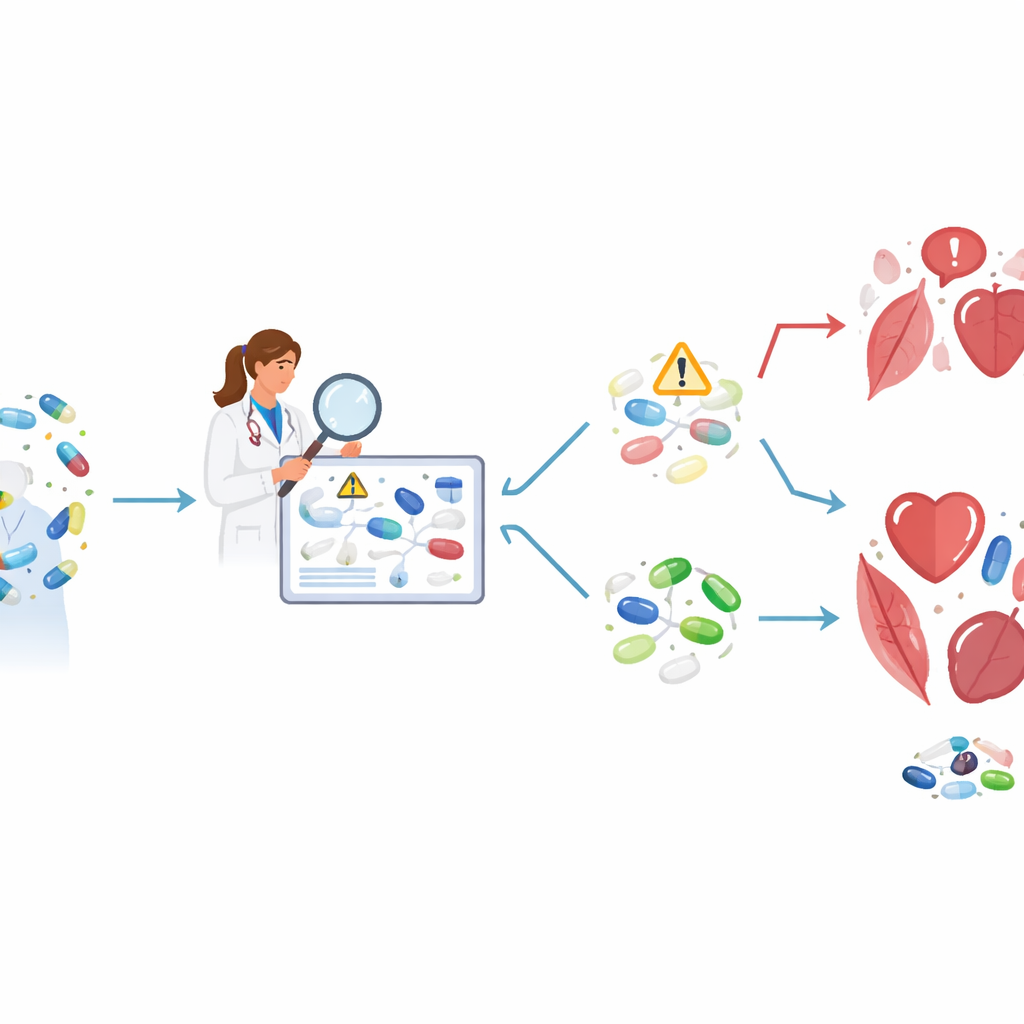
What pharmacists are doing well
Overall, pharmacists reported strong commitment to safe practice. On average they scored about seven out of ten on a checklist of recommended behaviors. Most said they regularly focus on patients who take multiple medicines, start with a single new drug when possible, counsel people about possible side effects, and rely on trusted web-based resources to look up interactions. Women tended to report slightly better adherence to these practices than men, and pharmacists with diploma-level qualifications often scored higher than those with doctorates, possibly reflecting more hands-on time in busy community settings. Across regions, basic safety behaviors were broadly similar, though pharmacists in the Suez Canal area were more likely to counsel patients and use online information tools and structured screening aids.
Where the trouble lies
Despite good habits, pharmacists still reported frequent encounters with risky atorvastatin combinations. Major interaction partners such as the immune-suppressant cyclosporine and the antibiotic clarithromycin were seen often, as were other antibiotics and cholesterol drugs that can boost atorvastatin levels in the body. Moderate but still concerning pairings—like those with the heart drugs digoxin and amiodarone or the seizure medicine phenytoin—were also commonly reported. Some of these patterns differed by region: Upper Egypt and the Delta, for example, showed higher perceived rates of several dangerous combinations, hinting at local prescribing styles, disease burdens, or resource gaps. Pharmacists who used mobile apps or online tools tended to report more interactions overall, suggesting that better digital support may sharpen their ability to detect problems.
Steps toward safer everyday care
The study concludes that Egyptian community pharmacists play a vital role in catching potentially dangerous drug mixes involving atorvastatin, but they are working in an environment where such risks are common and unevenly distributed. The authors argue that broader use of structured risk-screening tools, stronger training for early-career pharmacists, and region-focused education efforts could help turn pharmacists’ observations into more consistent prevention. Because the data reflect what pharmacists see and remember, not confirmed medical records, further work linking these reports to real patient outcomes is needed. Even so, the message for the public is clear: your pharmacist is a key safeguard when you take cholesterol medicines alongside other drugs, and empowering them with better tools and training could make everyday treatment markedly safer.
Citation: Maslub, M.G., Radwan, M.A., Daud, N.A.A. et al. Nationwide assessment of community pharmacists’ practices and atorvastatin–drug interactions in Egypt. Sci Rep 16, 10359 (2026). https://doi.org/10.1038/s41598-026-40872-1
Keywords: atorvastatin, drug interactions, community pharmacy, medication safety, Egypt