Clear Sky Science · en
How metaverse-enabled digital transformation drives sustainable supply chain innovation: evidence from Pakistan’s textile industry
Why our clothes and the digital world now connect
Most of us rarely think about what it takes to turn raw cotton into the shirts and bedsheets we use every day. Yet the textile industry is one of the world’s biggest sources of pollution and a major employer, especially in countries like Pakistan. This study explores how a new wave of immersive digital tools sometimes called the metaverse can help factories rethink how they work, cut waste and emissions, and still stay competitive in global markets.
From simple tracking to smart, green change
For years, companies have adopted digital tools such as barcodes, sensors and planning software to keep track of materials and shipments. These systems improved efficiency and basic reporting, but they mostly recorded what had already happened. They rarely allowed managers to experiment with new, cleaner ways of working before making costly changes on the factory floor. As a result, many supply chains remain locked into old habits that are hard on both the environment and workers.
A virtual mirror of the supply chain
The authors focus on two advanced tools that promise something different: digital twins and virtual supply chain visibility. A digital twin is like a living, three-dimensional mirror of a factory or supply chain that updates in real time. Managers can use it to test what would happen if they changed a dye recipe, slowed a machine or rerouted a shipment, all without touching the real process. Virtual supply chain visibility extends this idea across many partners, creating an immersive view of farms, mills, shippers and retailers at once. Together, these tools make it possible to see the environmental impact of decisions as they are being made, not months later in a report. 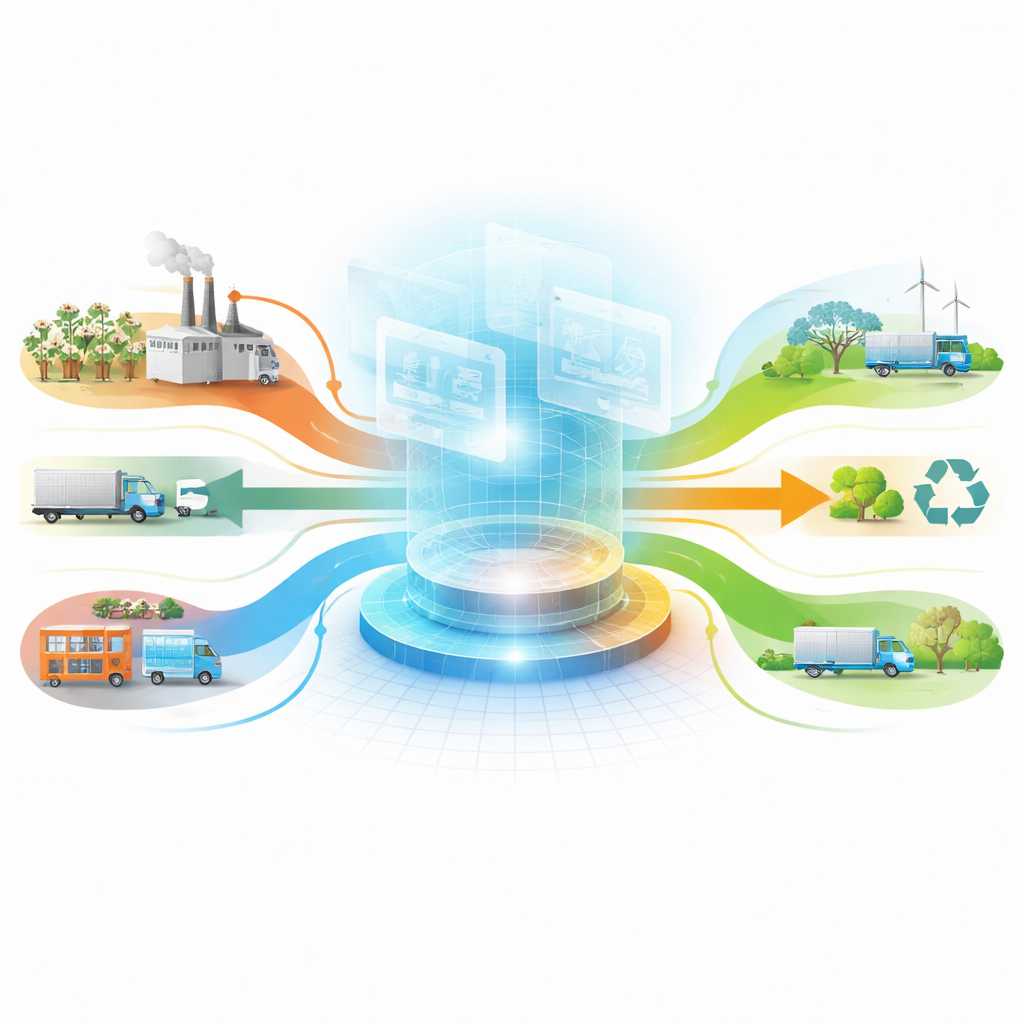
Turning insight into new green routines
Having rich digital models is only useful if companies can act on what they see. The study introduces two internal shifts that connect virtual insight to real-world change. Green process reconfiguration means redesigning everyday operations such as how raw cotton flows through machines or how goods are transported so that they use less energy and generate less waste. Eco-intelligent decision support means weaving environmental data into the choices managers make about sourcing, scheduling and risk. Instead of focusing only on cost and speed, they can weigh carbon emissions, water use and long-term resilience alongside profit.
Digital readiness as the secret ingredient
To test how these ideas play out in practice, the researchers surveyed 430 supply chain professionals across Pakistan’s textile hubs. Using statistical modeling, they found that digital twins and virtual visibility did not boost sustainability on their own. Instead, these tools worked through greener processes and smarter, eco-aware decisions. Factories that actively redesigned workflows and relied on environmental analytics were the ones that achieved real innovation, such as cleaner production lines and more circular use of materials. 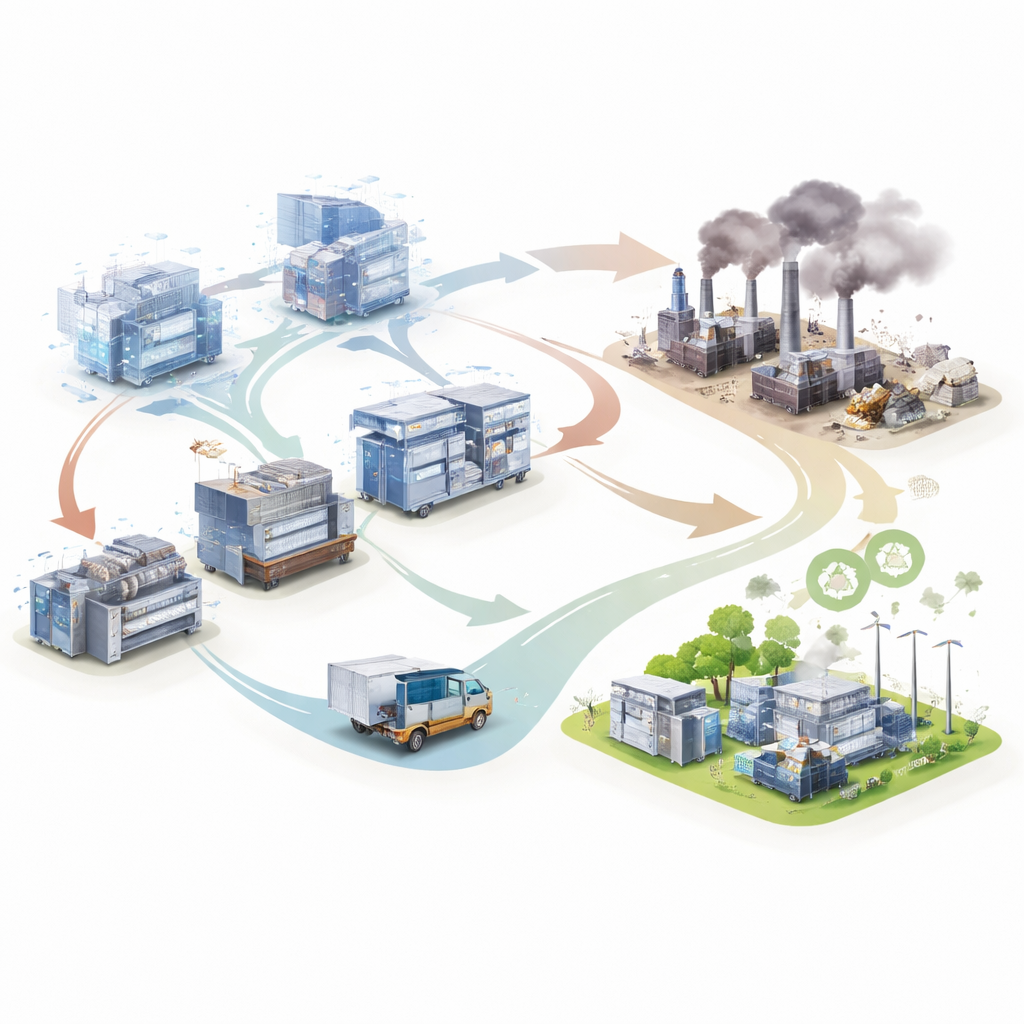
Why some factories benefit more than others
The study also shows that a factory’s level of digital maturity matters greatly. Firms with solid digital infrastructure, skilled staff and leadership that supports innovation gained much more from these tools. In these settings, experiments run in the virtual world translated into concrete changes on the ground, and environmental insights guided day-to-day choices. Larger and export-oriented firms tended to be better positioned, likely because global buyers and rules already push them toward greener practices.
What this means for the future of textiles
For a general reader, the key message is that the same technologies used to build virtual worlds and digital experiences can help clean up very physical industries. By creating detailed virtual models of supply chains and embedding environmental thinking into routine decisions, textile firms can move beyond small tweaks to deep, system-wide change. The study suggests that when immersive digital tools are combined with a culture that is ready to use them, they can turn the production of everyday items like clothes into a powerful lever for environmental progress.
Citation: Abdullah, M., Ullah, A., Jamal, M.F. et al. How metaverse-enabled digital transformation drives sustainable supply chain innovation: evidence from Pakistan’s textile industry. Sci Rep 16, 9098 (2026). https://doi.org/10.1038/s41598-026-40819-6
Keywords: metaverse, digital twin, sustainable supply chain, textile industry, digital maturity