Clear Sky Science · en
Effect of alkaline pretreatment on cephalosporin degradation and microbial susceptibility in wastewater of cephalosporin drug manufacturing plant
Why this matters to everyday life
Modern medicine relies heavily on antibiotics, but the same drugs that save lives can fuel a global health crisis when they escape into rivers and groundwater. This study looks at wastewater from a factory that makes a widely used family of antibiotics called cephalosporins. The researchers asked a practical question with big public‑health consequences: can a simple chemical pretreatment both break down these drugs before they leave the plant and avoid encouraging bacteria to become harder to kill?
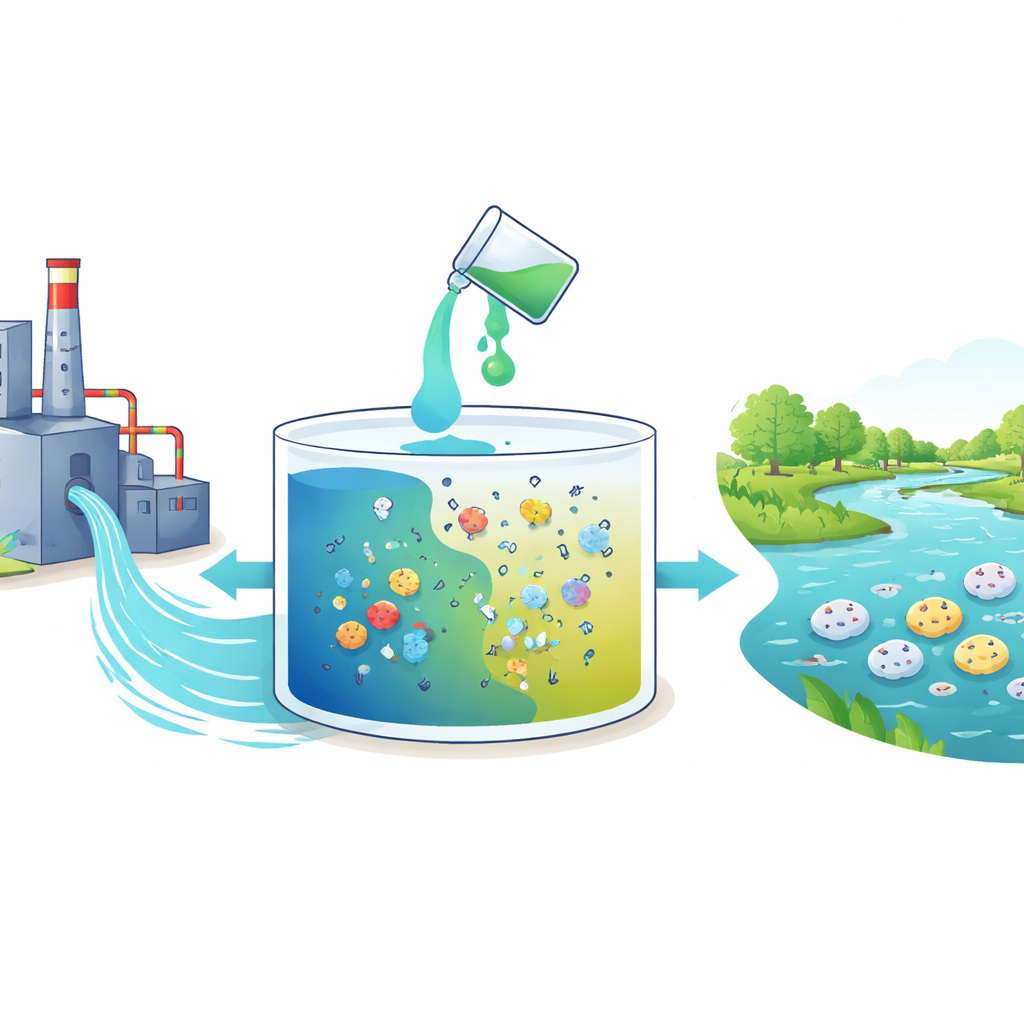
Antibiotics flowing from factory to water
Drug‑manufacturing plants channel leftover liquids, including active antibiotics, into onsite wastewater treatment systems. These facilities can unintentionally become breeding grounds for bacteria carrying resistance traits, because low levels of antibiotics act as a constant pressure that favor hardier microbes. Cephalosporins are a special concern: they are persistent in water, designed to attack a broad range of bacteria, and have already been detected in surface waters around the world. The team focused on wastewater from a cephalosporin production plant and on the first treatment step, known as a wastewater pretreatment plant (WWPTP), where waste is held and treated before entering a central effluent system.
A strong base as a cleanup tool
The researchers tested a straightforward strategy: adding sodium hydroxide, a strong base commonly used in industry, to raise the wastewater’s pH to very alkaline levels (around 10 to 13). Earlier work by the same group had shown that under these conditions eleven different cephalosporin compounds are chemically broken apart, with no intact drug detectable by sensitive liquid‑chromatography methods. What was unknown was whether the trace residues that remain at or below about one part per ten billion still act as a subtle pressure on bacteria, nudging them toward resistance. The present study set out to answer that by combining the chemical treatment with classic microbiology tests.
Putting bacteria and treated water to the test
To probe microbial responses, the team used both well‑characterized laboratory strains of two common bacteria—Escherichia coli and Staphylococcus aureus—and mixed microbes taken directly from the plant’s pretreatment tank. They grew these organisms on nutrient gels and exposed them to four representative cephalosporin drugs delivered by paper discs, a standard way to measure antibiotic effectiveness. They compared several situations: bacteria grown with plain buffer; with wastewater subjected to the alkaline treatment; and with solutions containing cephalosporins at the lowest level the instruments could reliably measure. If the treatment or residual drugs were driving resistance, the bacteria should have been harder to stop, showing little or no clear zone of inhibited growth around the discs.
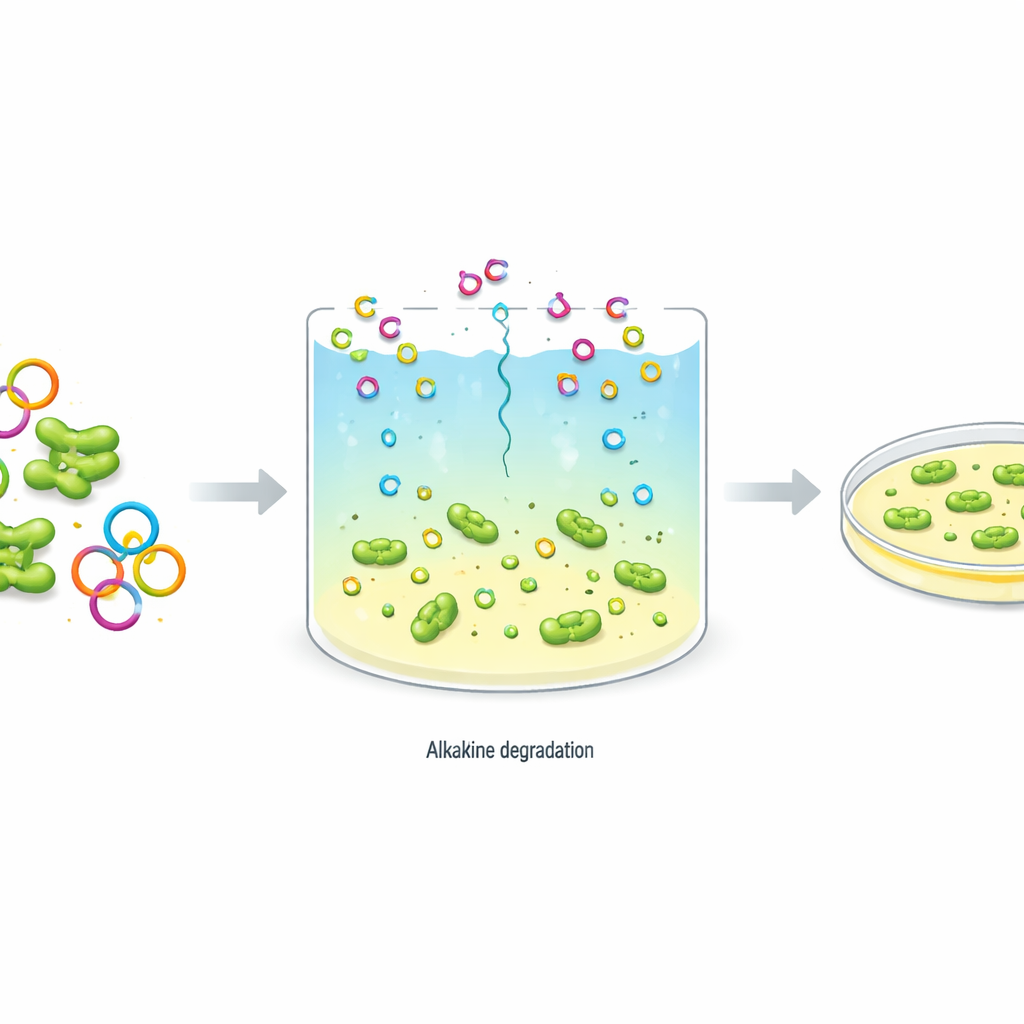
What the growth patterns revealed
Across multiple experiments, the result was reassuring. The lab strains of E. coli and S. aureus remained highly vulnerable to the cephalosporin discs, producing large, crisp halos where growth was suppressed. This held true whether the bacteria had been mixed with strongly alkaline, drug‑treated water or with solutions containing only trace amounts of cephalosporins. When the scientists turned to the mixed microbes actually living in the pretreatment tank, the picture at first looked murkier: using undiluted samples yielded dense lawns of growth and smaller clear zones, likely because there were simply too many cells to measure accurately. Once they carefully diluted these environmental samples to standard levels, the same pattern seen in the lab strains reappeared—wide zones showing that the community as a whole was still sensitive to the drugs.
What this means for protecting health and water
Taken together, the findings suggest that strongly alkaline pretreatment can break down cephalosporin antibiotics in factory wastewater to levels that no longer act as a meaningful evolutionary pressure on bacteria. Even after exposure to the harsh pH and residual breakdown products, both reference strains and in‑plant microbes stayed susceptible rather than edging toward resistance. While the study notes some limitations—for example, it emphasizes qualitative comparisons rather than precise quantities—the overall message is clear: a relatively simple chemical step can substantially reduce the risk that pharmaceutical wastewater will help breed tougher, more dangerous bacteria before it reaches the wider environment.
Citation: Ullah, M., Rana, M.S., Hossain, M.M. et al. Effect of alkaline pretreatment on cephalosporin degradation and microbial susceptibility in wastewater of cephalosporin drug manufacturing plant. Sci Rep 16, 9484 (2026). https://doi.org/10.1038/s41598-026-40805-y
Keywords: antibiotic resistance, pharmaceutical wastewater, cephalosporins, wastewater pretreatment, environmental microbiology