Clear Sky Science · en
PCSK9 inhibitors patterns of use in France from nationwide repeated cross-sectional and cohort studies
Why this matters for heart health
Many people at high risk of heart attack or stroke struggle to bring their “bad” cholesterol down, even with strong standard medications. This study looks at how a powerful new class of drugs, called PCSK9 inhibitors, is actually being used across France. Because these medicines are very effective but also expensive, health authorities must balance access for those who truly need them against preventing overuse. Understanding real‑world use helps patients, doctors, and policymakers see whether that balance is being struck.
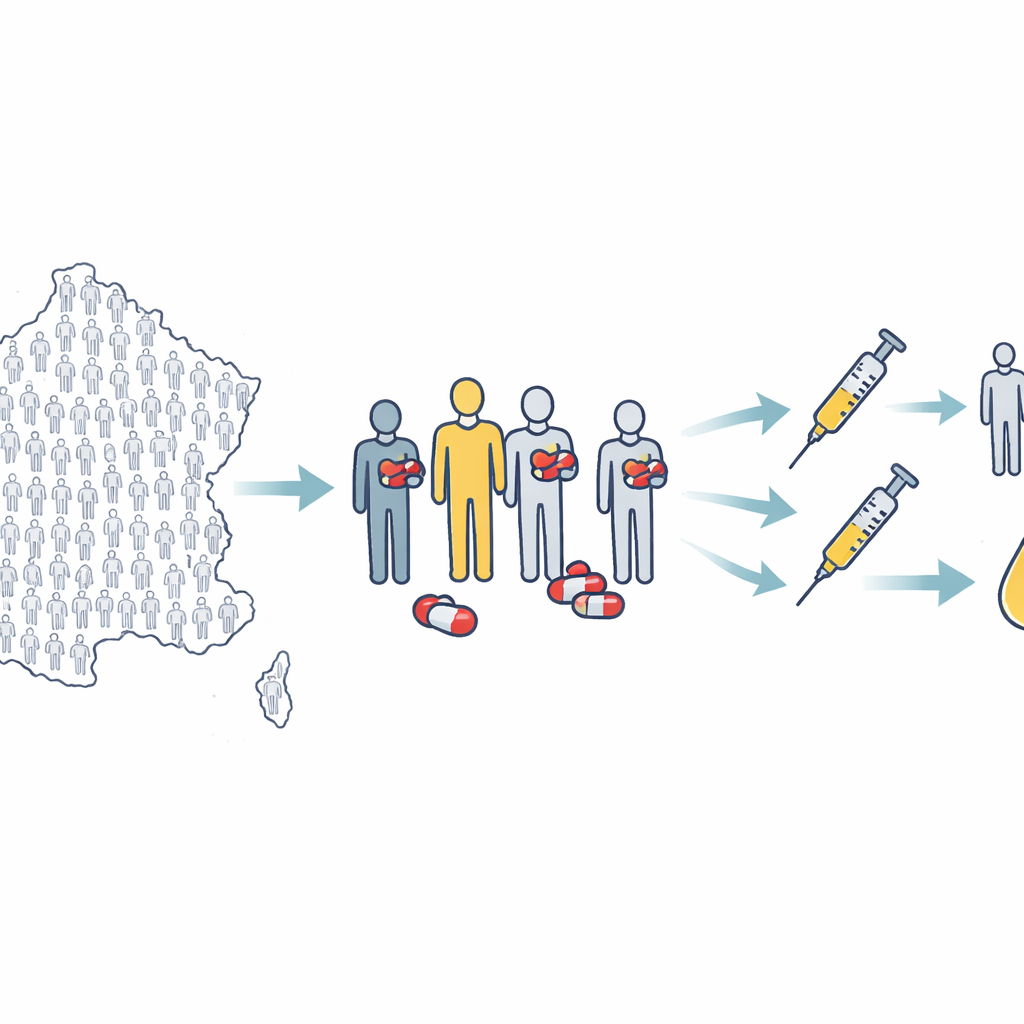
New tools added to the cholesterol toolbox
PCSK9 inhibitors are injectable antibodies that help the liver clear more LDL, the so‑called bad cholesterol, from the blood. Clinical trials have shown they can cut LDL levels by around 60 percent and reduce heart attacks and strokes in people at very high risk, especially when added to statins and another pill, ezetimibe. Because millions could potentially benefit and each prescription is costly, France—like many countries—put rules in place to steer these drugs to the patients most likely to gain from them.
Following use across an entire country
The researchers used France’s national health insurance database, which records nearly all prescriptions and hospital stays for more than 66 million people. They examined monthly snapshots from 2018 through 2021 to see how many people were taking a PCSK9 inhibitor and how that changed over time. They also built a detailed six‑month profile for every adult who started one of these drugs, tracking which cholesterol‑lowering medicines they took during the two years before and the six months after their first PCSK9 injection.
Who actually gets these powerful drugs
Between 2018 and 2021, 6,891 adults in the main national health plan started a PCSK9 inhibitor. Most were men in their mid‑60s, and nearly two‑thirds were judged to have a very high risk of serious cardiovascular events based on past heart disease, stroke, or similar conditions. Only a small minority—just over 3 percent—were in the lowest risk category. Before starting injections, about half had been on strong combinations of statins and ezetimibe, around a third had been on weaker or intermittent treatment, and roughly one in eight had not received any cholesterol‑lowering drugs at all in the prior two years.
What happens before and after the first injection
Use of PCSK9 inhibitors remained very low in France until mid‑2020, when reimbursement was expanded to include more people with established cardiovascular disease. At that point, prescriptions surged, then dropped sharply when a new rule required doctors to obtain special approval from the health insurance system before treatment could start. After this control was introduced, use rose again more slowly and, by the end of 2021, stabilized at about nine users per 100,000 inhabitants. Once patients started a PCSK9 inhibitor, most stayed on some form of cholesterol‑lowering therapy for at least six months. Those who had already been on strong treatment were the most likely to continue a combination of injections plus pills, while people who had not been treated before were more likely to stop all cholesterol‑lowering medication.
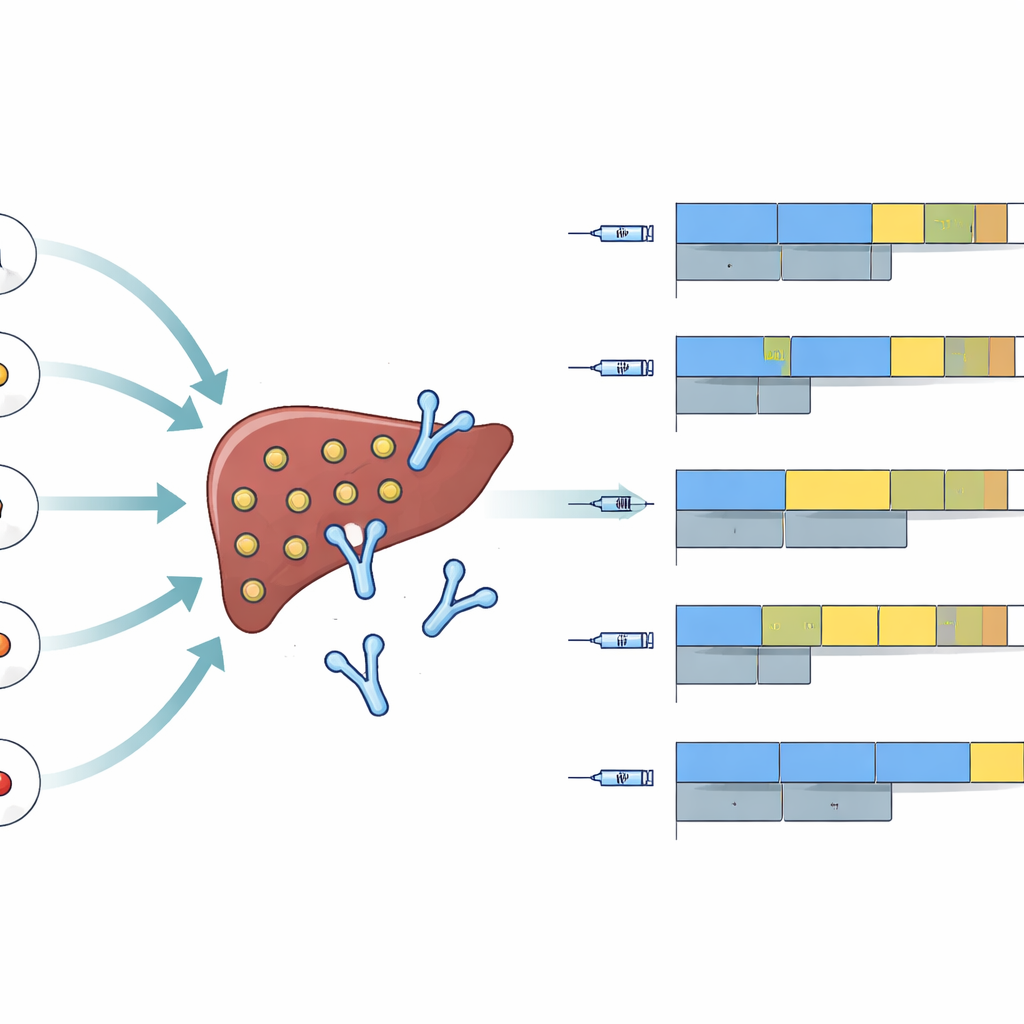
What this means for patients and health systems
Overall, the study suggests that, in France, PCSK9 inhibitors are largely reaching the people who need them most—those at very high risk of heart attack or stroke—and that most patients stay on treatment once they begin. The special approval process for reimbursement appears to have curbed a sudden spike in prescribing without cutting off access for high‑risk patients. However, the fact that some people start injections without having tried other standard cholesterol drugs, and then stop treatment altogether, shows room for better patient selection and follow‑up. For the public, the message is that these powerful new drugs are being used cautiously and mainly as a backup when routine therapies are not enough, helping protect those at highest risk while keeping health spending under control.
Citation: Singier, A., Bénard-Laribière, A., Jarne-Munoz, A. et al. PCSK9 inhibitors patterns of use in France from nationwide repeated cross-sectional and cohort studies. Sci Rep 16, 8866 (2026). https://doi.org/10.1038/s41598-026-40791-1
Keywords: PCSK9 inhibitors, cholesterol-lowering drugs, cardiovascular risk, drug utilization, health policy