Clear Sky Science · en
Sexual function among controlled and uncontrolled hypertensive females receiving beta-blockers or ACEI/ARB and thiazides: a prospective randomized controlled study
Why this topic matters
High blood pressure is common, and so are quiet worries about a fading sex life. For many women, especially before menopause, conversations about blood pressure medication rarely include how these drugs might affect desire, arousal, or comfort during sex. This study followed premenopausal women with high blood pressure to see how different standard treatments influenced their hormones, anxiety, and sexual wellbeing over three months.
Sex, blood flow, and hormones
Healthy sexual response in women depends on more than mood and relationships. It also relies on good blood flow to the genitals, a responsive nervous system, and a delicate balance of hormones. High blood pressure can stiffen blood vessels and reduce the body’s ability to widen them during arousal, making lubrication and genital swelling less effective. It is also linked to anxiety and low mood, which can further dampen interest in sex and satisfaction. On top of that, some blood pressure medicines have a reputation for blunting sexual function, but the evidence in women has been limited.
How the study was done
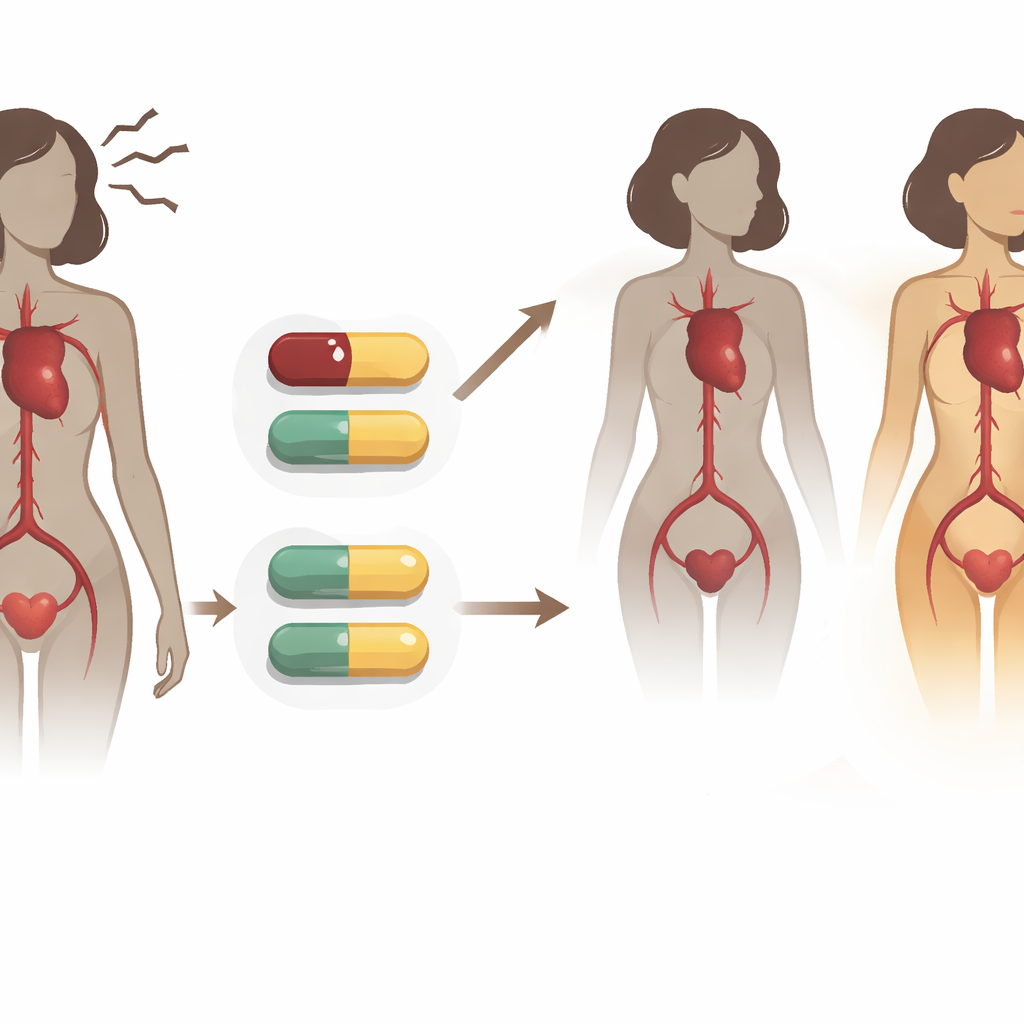
The researchers enrolled 100 premenopausal women with high blood pressure and 25 similar healthy women as a comparison group. All participants had a stable partner and no major medical conditions that might independently affect sexual health, such as diabetes, obesity, or depression. The women with high blood pressure were randomly assigned to one of two main treatment strategies: beta‑blockers or drugs that act on the renin–angiotensin system (ACE inhibitors or angiotensin receptor blockers). After the first month, all women with high blood pressure—both well controlled and still uncontrolled—also received a small dose of a water pill from the thiazide family, reflecting common real‑world combination treatment. Sexual function was assessed with a detailed questionnaire covering desire, arousal, lubrication, orgasm, satisfaction, and pain. Anxiety symptoms were rated using a brief standard scale, and blood tests measured total and free testosterone and estradiol at the start and after three months.
What happened with different treatments
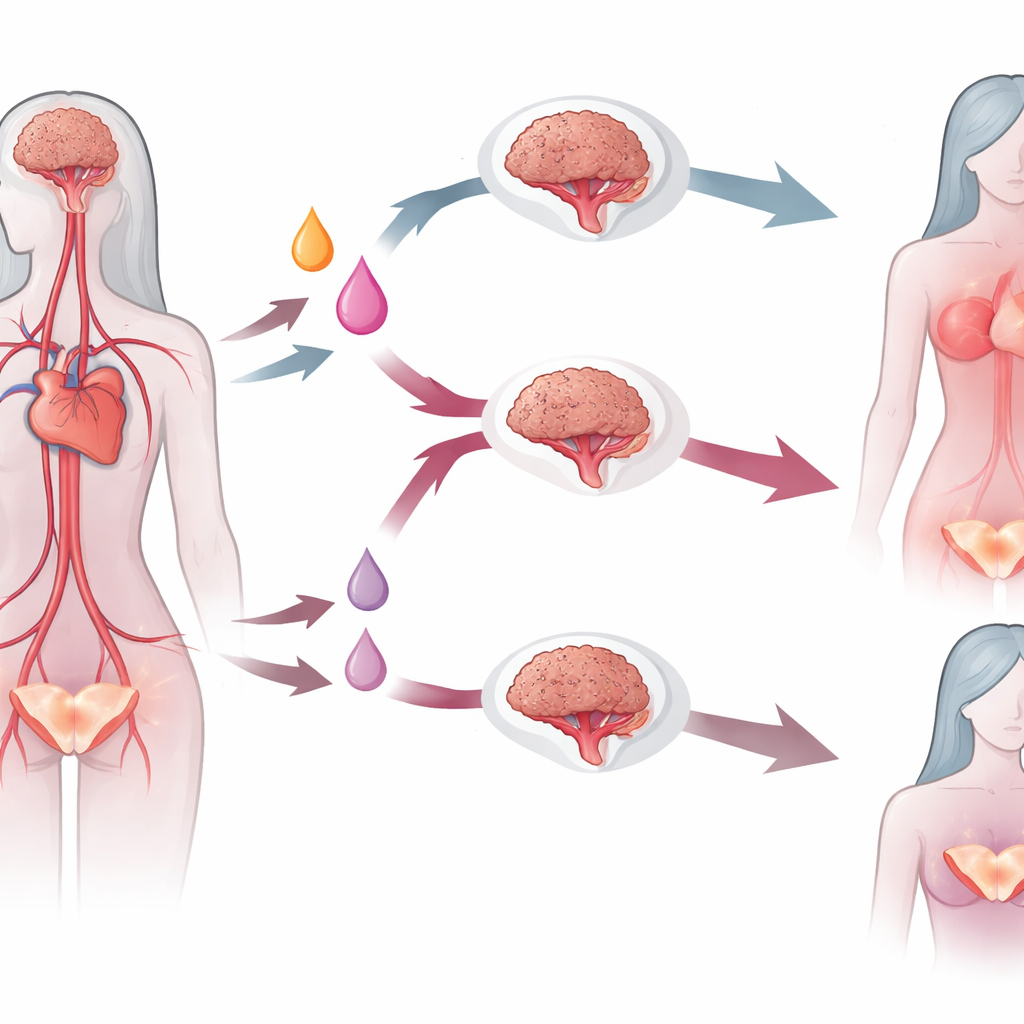
Compared with healthy women, those with high blood pressure started out with poorer scores in every area of sexual function, higher anxiety, higher testosterone, and lower estradiol. Over three months, women treated with ACE inhibitor or angiotensin blocker combinations showed the most striking improvements. Whether their blood pressure became well controlled or remained somewhat high, these women reported better desire, arousal, lubrication, orgasm, satisfaction, and less pain. Their overall sexual function scores rose markedly, and their anxiety scores dropped. At the same time, their testosterone levels fell toward the healthy range while estradiol rose, a hormone pattern thought to favour better vascular health and sexual response.
Mixed results with beta‑blockers
The picture was more nuanced among women treated with beta‑blockers. When blood pressure was brought under control on this regimen, women did report better sexual function in most areas, and their overall scores improved, much like the ACE inhibitor and angiotensin blocker groups, except for pain. Their testosterone levels dropped and estradiol increased. However, women whose blood pressure stayed uncontrolled on beta‑blockers experienced only partial gains: some improvement in desire, arousal, orgasm, and satisfaction, but no meaningful change in the total sexual function score. Their anxiety symptoms also tended to remain higher. Across the whole study, higher blood pressure, higher testosterone, and more anxiety were strongly linked with poorer sexual function, while higher estradiol was tied to better scores.
What this means for patients
This study suggests that, for premenopausal women with high blood pressure, drugs that block the renin–angiotensin system—ACE inhibitors and angiotensin receptor blockers—may be more friendly to sexual wellbeing than beta‑blockers, especially when they help normalize blood pressure and ease anxiety. While all the medicines used are standard treatments and the study was relatively small and short, the findings reinforce the idea that sexual health should be part of routine blood pressure care. Women who notice changes in desire, arousal, or comfort after starting treatment should feel empowered to discuss alternative drug options with their clinicians rather than silently accepting a trade‑off between heart health and a satisfying sex life.
Citation: GamalEl Din, S.F., Elyamani, E., Bushra, M.T. et al. Sexual function among controlled and uncontrolled hypertensive females receiving beta-blockers or ACEI/ARB and thiazides: a prospective randomized controlled study. Sci Rep 16, 9227 (2026). https://doi.org/10.1038/s41598-026-40790-2
Keywords: hypertension, female sexual function, beta-blockers, ACE inhibitors and ARBs, reproductive hormones