Clear Sky Science · en
Coronary artery calcification is associated with reduced survival in mechanically ventilated COVID-19 patients in the MaastrICCht cohort
Why heart health mattered so much in severe COVID
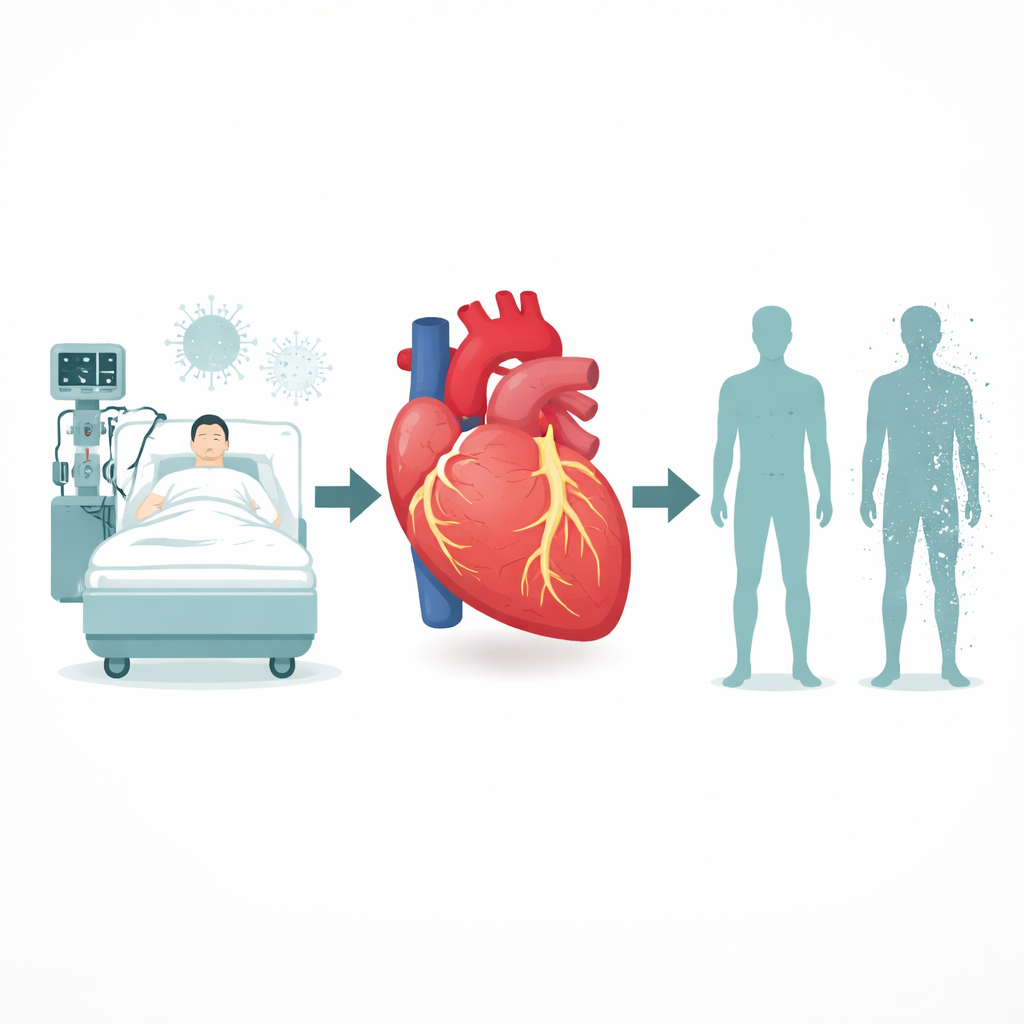
When COVID-19 first overwhelmed intensive care units, doctors quickly noticed that some critically ill patients died even after surviving the initial storm. This study asks a simple but important question: in COVID-19 patients sick enough to need a breathing machine, does hidden damage in the heart’s blood vessels help predict who is less likely to be alive a year later? The answer sheds light on how long-term heart health can shape the outcome of an acute viral crisis.
Hidden clues inside routine chest scans
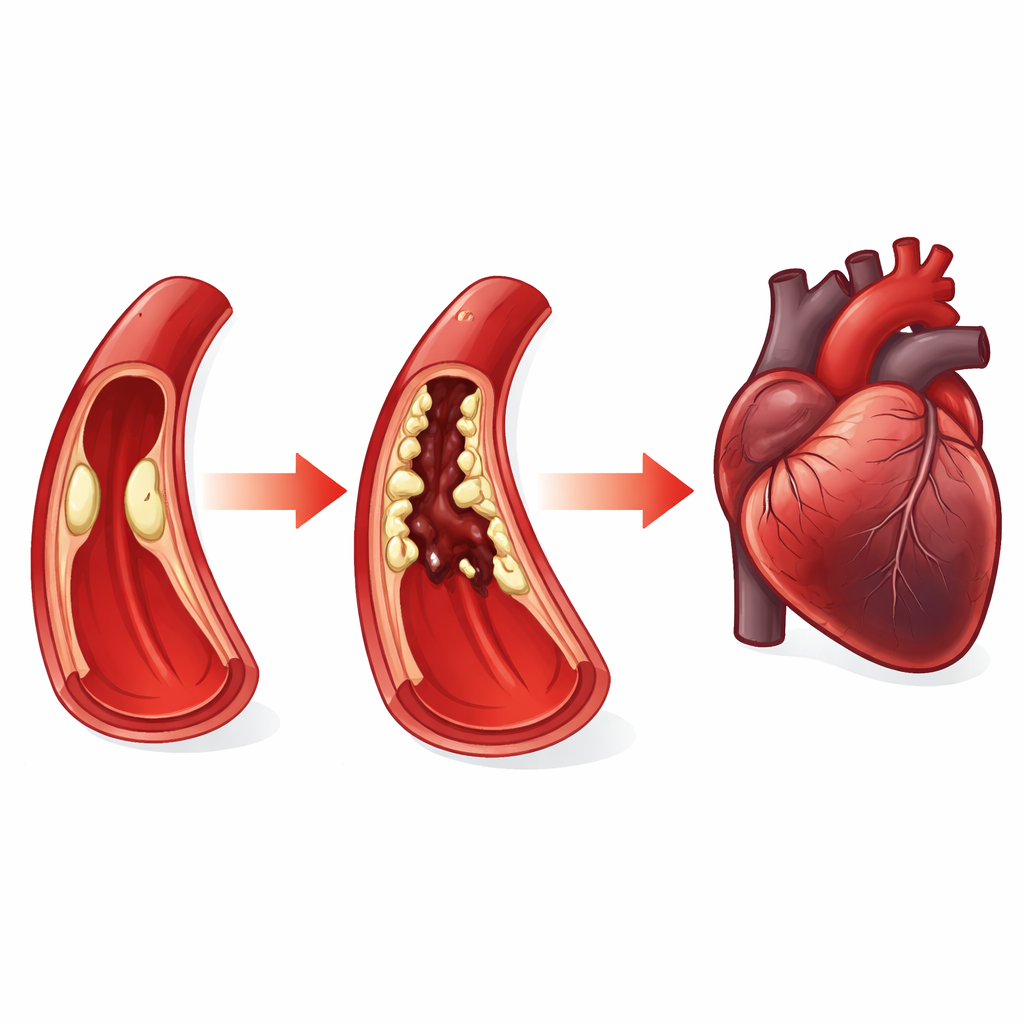
The researchers focused on a specific marker of long-standing heart disease: calcium deposits in the arteries that feed the heart, known as coronary artery calcification. These deposits are like mineral scars left behind by years of wear and tear on the vessel walls. Because many intensive care patients receive chest CT scans to evaluate their lungs, the team realized they could also use those same images to score how much calcium was visible in the heart’s arteries, without any extra tests or radiation.
Following patients beyond the intensive care unit
The study drew on the MaastrICCht cohort, a carefully followed group of people with severe COVID-19 who all needed mechanical ventilation at a Dutch university hospital. Out of 323 such patients, 241 had at least one chest CT scan suitable for evaluating coronary calcium. Two experienced radiologists, unaware of how the patients ultimately fared, gave each person a score from 0 to 12 based on how extensively calcium appeared in four major heart arteries. The researchers then tracked whether these patients were alive up to 12 months after leaving the intensive care unit, making sure survival information was complete for everyone.
More calcium, more deaths over the next year
To understand the relationship between artery calcium and survival, the team grouped patients into three bands: low, medium, and high calcium scores. People in the highest band were older and more likely to have conditions such as diabetes, kidney disease, and high blood pressure. Most strikingly, nearly two out of three patients in this top group died during their stay in intensive care, and overall they had much poorer one-year survival than those with little or no calcium. Statistical models showed that patients in the highest calcium band had more than double the risk of dying within a year compared with those in the lowest band, even after taking age, sex, initial illness severity, and other medical conditions into account.
How long-term heart damage may worsen severe infection
The findings fit into a broader picture emerging from COVID-19 research: serious infections place enormous stress on the heart and blood vessels, particularly when those vessels are already stiffened and narrowed. Calcium-laden arteries may be more prone to clots or to unstable plaque, which can cut off blood flow to vital organs. The study supports a framework in which COVID-19 does not act in isolation; instead, it amplifies existing cardiovascular weakness, contributing to multi-organ failure and poorer survival long after the initial infection. Similar patterns have been seen with other viruses such as influenza, hinting that this may be a general feature of severe respiratory infections.
What this means for patients and doctors
For a layperson, the core message is straightforward: the condition of your heart and its arteries before you catch a serious infection can strongly influence whether you survive the year that follows. In this group of mechanically ventilated COVID-19 patients, those with the most calcium in their heart arteries had about a one-third lower chance of being alive after one year than those with little or no calcium, and this pattern held even after accounting for many other risk factors. The work suggests that simple visual scoring of calcium on routine chest scans could help doctors identify high-risk patients early and may encourage greater attention to long-term heart health as part of preparing for future infectious disease threats.
Citation: Baldussu, E., Brandts, L., Pennetta, F. et al. Coronary artery calcification is associated with reduced survival in mechanically ventilated COVID-19 patients in the MaastrICCht cohort. Sci Rep 16, 10013 (2026). https://doi.org/10.1038/s41598-026-40733-x
Keywords: COVID-19, coronary calcium, intensive care, heart disease, long-term survival