Clear Sky Science · en
Investigation of the relationship between physical activity levels and mental health in adolescents after February 6th earthquakes
Why This Matters After a Disaster
When a powerful earthquake strikes, the damage is not only to buildings and roads; it also shakes the emotional world of young people. This study looks at teenagers who lived through the February 6th earthquakes in Türkiye and asks a simple but important question: how are their everyday movement and their moods connected months after the ground stopped shaking? The findings help parents, teachers and community planners understand what kind of support adolescents may need as they try to return to normal life.
Teenagers Caught Between Ruins and Recovery
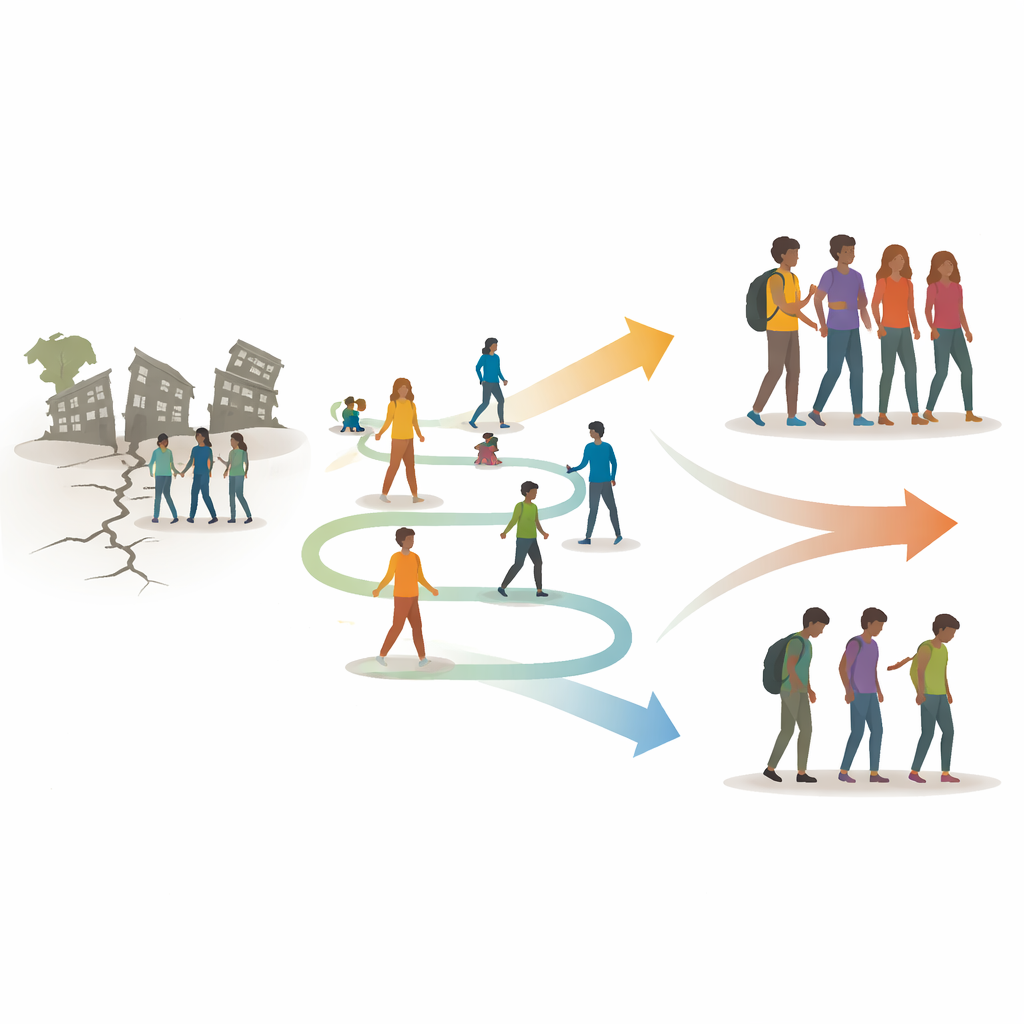
The earthquakes centered in Kahramanmaraş were among the strongest in Türkiye in the last century, damaging 11 provinces and forcing many families to leave their homes. Adolescents, already in a sensitive stage of life, suddenly faced loss, fear and long periods of uncertainty. Daily routines were broken, schools were disrupted and safe places to play or exercise disappeared. In this setting, a research team set out to measure both the mental health of teenagers and how physically active they were several months after the disaster.
What the Researchers Measured
The study followed 389 adolescents between 11 and 17 years old who had experienced the earthquakes. Through an online survey, the teens answered questions about four areas: symptoms of post-traumatic stress (such as nightmares or intrusive memories), signs of depression (like sadness or loss of interest), feelings of anxiety (such as nervousness or worry) and their usual weekly physical activity. The movement questions asked how often they engaged in activities ranging from light to intense, such as walking, sports or active play. The researchers then used statistical tools to see how these measures were related to one another and whether age made a difference.
Strong Emotional Strain, Modest Role for Movement
The results painted a sobering picture of emotional strain. More severe post-traumatic stress symptoms were strongly linked with higher levels of both depression and anxiety. In other words, the teens who were most haunted by the earthquake also tended to feel more sadness and worry. Depression and anxiety themselves were tightly intertwined, suggesting that many adolescents were not facing just one mental health challenge but several at once. However, the severity of trauma-related symptoms did not show a clear connection with how physically active the teenagers were at the time of the survey.
How Activity and Mood Intertwined
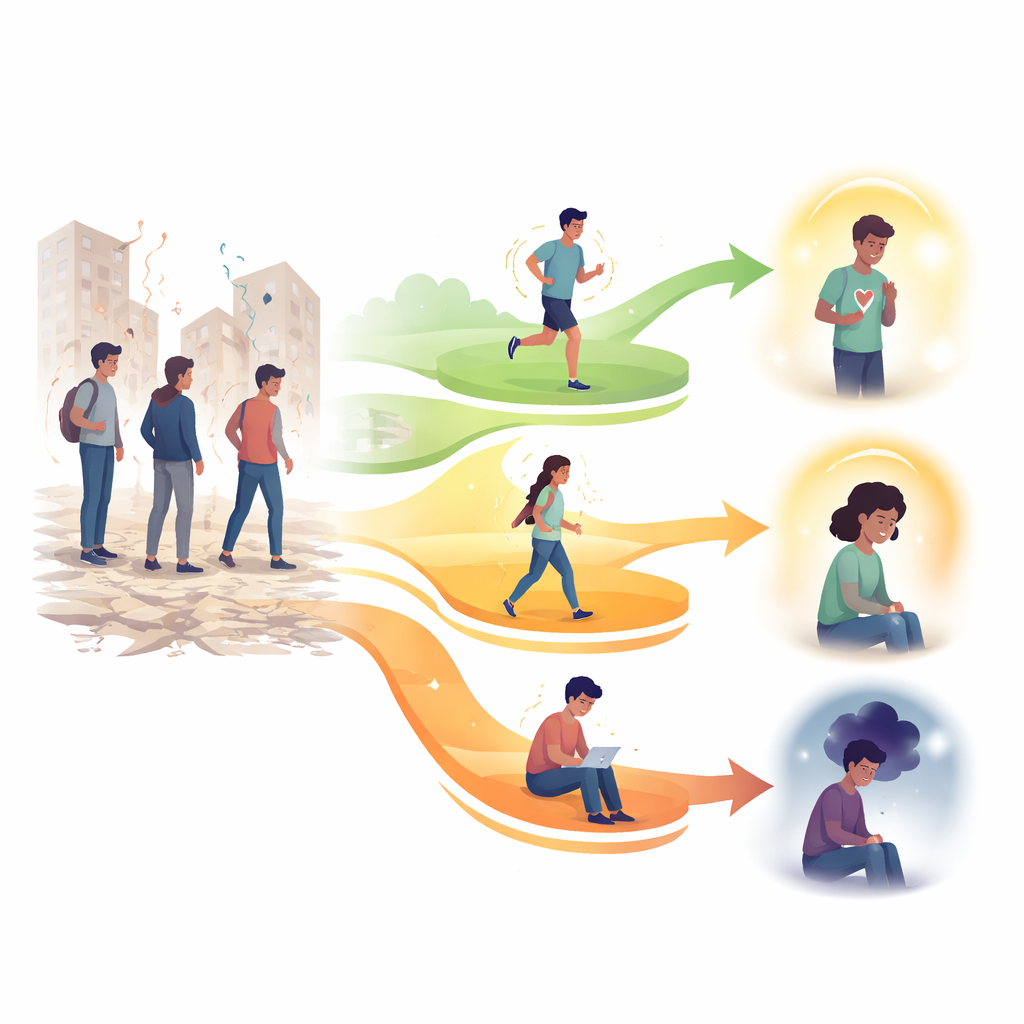
Physical activity did show a meaningful, if modest, connection to mood. Teens who reported moving more tended to have slightly lower depression scores, while those with higher depression were a bit less active. Physical activity also declined with age within this 11–17-year-old group, suggesting that older adolescents were particularly at risk of becoming more sedentary as they processed the disaster and its aftermath. The authors caution that these links were statistically small and based on a single snapshot in time, so activity alone is unlikely to erase deep emotional wounds. Instead, they argue, movement should be seen as one helpful piece of a broader support system that includes psychological care, family support and safe environments.
What This Means for Helping Young Survivors
The study concludes that adolescents suffer substantial psychological effects after major earthquakes, and that their chances of staying active may shrink just when movement could be most beneficial. While exercise is not a cure-all, it appears to help lower the risk of depression and may support emotional resilience over the long term. For communities rebuilding after disasters, this means that safe spaces for play, sports and simple everyday movement are not luxuries; they are part of mental health care. Programs that gently encourage teenagers to be more active—alongside counseling and other supports—could help them regain a sense of control and well-being as they rebuild their lives.
Citation: Özdemir, F., Sinanoğlu, B., Demir, A. et al. Investigation of the relationship between physical activity levels and mental health in adolescents after February 6th earthquakes. Sci Rep 16, 8861 (2026). https://doi.org/10.1038/s41598-026-40645-w
Keywords: adolescent mental health, earthquake recovery, physical activity, post-traumatic stress, disaster resilience