Clear Sky Science · en
Molecular characterization of bovine viral diarrhea virus and host genetic immune and biochemical responses in diarrheic buffalo calves
Why Sick Buffalo Calves Matter
Diarrhea in newborn farm animals might sound like a minor problem, but for buffalo farmers it can mean lost income, dead calves, and weaker herds for years to come. This study looks closely at one important culprit—bovine viral diarrhea virus, or BVDV—in Egyptian buffalo calves. By examining not only the virus but also the calves’ own genes, blood chemicals, and early immune signals, the researchers show how some young animals are more vulnerable than others and how this knowledge could guide healthier breeding and better disease control.
Young Calves Facing a Hidden Threat
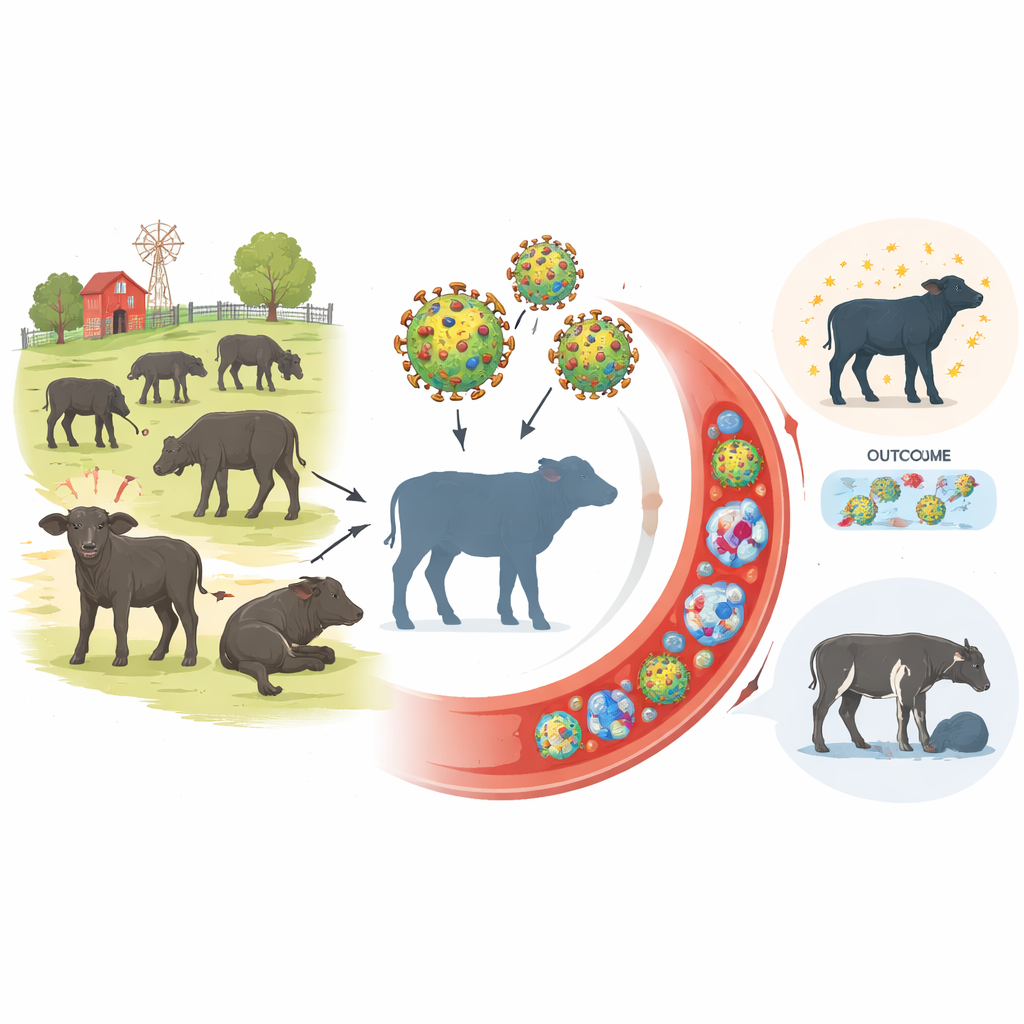
The team followed 200 newborn buffalo calves in South Sinai, Egypt, half of which had diarrhea and half that appeared healthy. Diarrheic calves showed typical signs of serious illness: watery stools, dehydration, sunken eyes, weakness, fever, and rapid breathing and heart rates. These signs are not just unpleasant; they reflect a body struggling to maintain fluids, energy, and organ function. Because many germs can cause calf diarrhea, the researchers focused on clarifying the role of BVDV, a highly contagious virus already known to trouble cattle worldwide and to weaken the immune system, opening the door to other infections.
Tracking the Virus and Its Family Tree
Fecal samples from the sick calves were tested using a sensitive genetic method that searches for pieces of viral RNA. BVDV was found in 20% of diarrheic calves, confirming that the virus is circulating in Egyptian buffalo herds. The scientists then read part of the virus’s genetic code and compared it with hundreds of strains stored in international databases. The buffalo viruses clustered with two known subtypes, called BVDV-1a and BVDV-1b, and in some cases were almost identical to strains previously found in Egyptian cattle and in animals from other countries. This close genetic relatedness suggests that the virus can move between cattle and buffalo and that international trade and local management practices may both shape which strains are present.
Signals in the Calves’ Blood and Genes
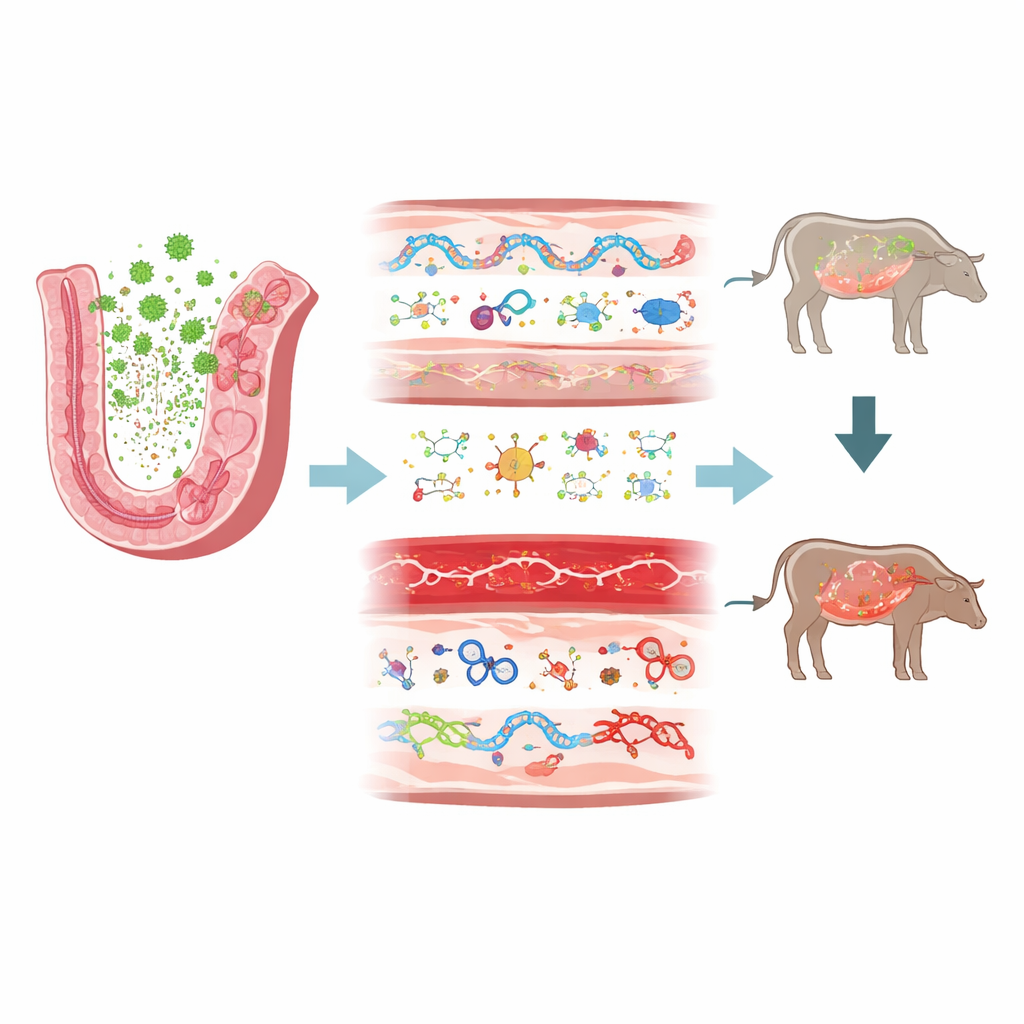
The study went beyond simply finding the virus. Blood from healthy and sick calves was used to measure dozens of routine biochemical values—such as sugars, proteins, minerals, and enzymes—and special early-warning molecules called acute phase proteins. Diarrheic calves had lower blood sugar and protein, hinting at poor absorption and loss through the damaged gut, and higher levels of waste products and liver and muscle enzymes, pointing to strain on organs throughout the body. At the same time, three acute phase proteins surged, showing that the liver was mounting an emergency response to inflammation and infection. These patterns paint a picture of calves fighting a whole-body illness, not just a simple stomach upset.
Genetic Clues to Resistance and Risk
To understand why some calves may cope better than others, the researchers studied a panel of genes involved in frontline defense and antioxidant protection—molecules that help neutralize damaging by-products of infection. In diarrheic calves, several immune-related genes were switched on more strongly than in healthy peers, while key antioxidant genes were dialed down. When the scientists read sections of these genes’ DNA, they discovered 13 subtle one-letter changes, known as single nucleotide polymorphisms, that differed in frequency between sick and healthy calves. Some of these changes are predicted to alter the structure of the resulting proteins, potentially affecting how efficiently cells handle microbes and oxidative stress. Statistical modeling using these genetic markers could perfectly distinguish sick from healthy calves in this group, hinting that they carry real predictive power.
From Lab Findings to Healthier Herds
Put together, the work shows that BVDV is common among diarrheic buffalo calves in this region and that infection is tied to distinctive shifts in blood chemistry, early immune signals, and specific genetic variants. For farmers and veterinarians, this means that simple blood tests and targeted genetic screening could help identify calves at greatest risk, guide treatment decisions, and eventually support breeding programs that favor more resilient animals. In the long run, combining such host-focused tools with improved vaccines and hygiene could reduce calf deaths, lessen the need for drugs, and strengthen the economic backbone of buffalo-based farming.
Citation: El-Sayed, A.A., Noaman, E.A., Ragab, M.T. et al. Molecular characterization of bovine viral diarrhea virus and host genetic immune and biochemical responses in diarrheic buffalo calves. Sci Rep 16, 8700 (2026). https://doi.org/10.1038/s41598-026-40635-y
Keywords: bovine viral diarrhea virus, buffalo calves, neonatal diarrhea, genetic resistance, livestock health