Clear Sky Science · en
Developing public health risk messages about antibiotic resistance using metaphors: an international co-design and e-Delphi consensus study
Why everyday comparisons matter for our health
Antibiotic resistance is often described with heavy scientific jargon or dramatic warnings about “superbugs,” which can leave many people confused or numb to the problem. This study asks a simple question with big consequences: what if we explained antibiotic resistance using down‑to‑earth comparisons drawn from gardens, tools, or fires instead of war and apocalypse? By working with ordinary citizens, doctors, and communication experts around the world, the researchers set out to design vivid, friendly metaphors that help people understand when antibiotics help, when they do not, and how everyday choices can protect these precious medicines for the future. 
Turning a complex threat into familiar stories
Antimicrobial resistance happens when bacteria adapt so that medicines like antibiotics no longer work against them. It is a slow‑moving global crisis linked to millions of deaths, yet public understanding remains surprisingly poor. Many people still believe antibiotics can cure viruses like colds and flu, think the human body becomes “resistant” rather than the bacteria, or assume antibiotics are always needed for minor infections. These misunderstandings fuel risky habits such as demanding antibiotics “just in case,” sharing leftover pills, or stopping treatment without advice. Past campaigns have often relied on technical language or frightening images of invincible germs and medical “dark ages,” which might grab attention but rarely offer clear, practical guidance.
Co‑creating metaphors with the public and professionals
To build better messages, the team ran creative workshops in the United Kingdom and South Africa. Participants included hospital doctors and members of the public with experience of infection. They were introduced to the idea of metaphors—explaining one thing in terms of another—and invited to brainstorm comparisons that could correct common myths about antibiotics. People came up with 89 initial metaphors, ranging from playful images (like eating soup with a fork to show antibiotics do nothing against viruses) to locally rooted sayings from the South African township of Khayelitsha. Some ideas were rejected for being too close to medical language, too culturally specific, or potentially offensive, but the workshops showed that non‑experts can generate rich, imaginative ways to explain antibiotic resistance.
Global experts sort the helpful from the harmful
The second phase used an online “e‑Delphi” process, in which 37 antibiotic‑resistance communication experts from 27 countries rated and refined the growing list of metaphors across three rounds. They judged each idea on how accurately it captured key facts, how widely understandable it might be, and whether it could motivate safer behaviour. In total, experts considered 190 metaphor statements and reached consensus on 38 as especially appropriate for global use. They favored simple, concrete images drawn from everyday life—gardens, tools, cars, cooking, and fire‑fighting—over long, elaborate analogies. Nature‑based comparisons were particularly popular: for example, resistant bacteria as weeds that survive weed killer, or an unfinished antibiotic course as a half‑weeded garden where stubborn roots grow back stronger. Tool and engineering metaphors also scored highly, such as using the wrong key for a lock to show why antibiotics do not work on viruses, or using a sledgehammer to kill a fly to show over‑treating minor infections.
Moving beyond images of war and doom
One of the strongest findings was broad expert rejection of war‑style language, even though such metaphors are still common in everyday speech and many workshop participants initially suggested them. Talking about “fighting” bacteria or waging a “war” on germs may feel familiar, but experts worried that this framing paints all microbes as enemies, oversimplifies the science, and can be distressing for people with personal experience of conflict. It may also leave audiences feeling helpless in the face of an unstoppable foe. Instead, experts preferred metaphors that showed both danger and possibility: fire‑fighting images, for instance, can convey urgency without apocalypse—putting out a small blaze fully, or preventing fires altogether through good habits. These alternatives highlight how actions like hygiene, vaccination, and cautious use of antibiotics can keep the “sparks” of resistance from flaring into full‑scale emergencies. 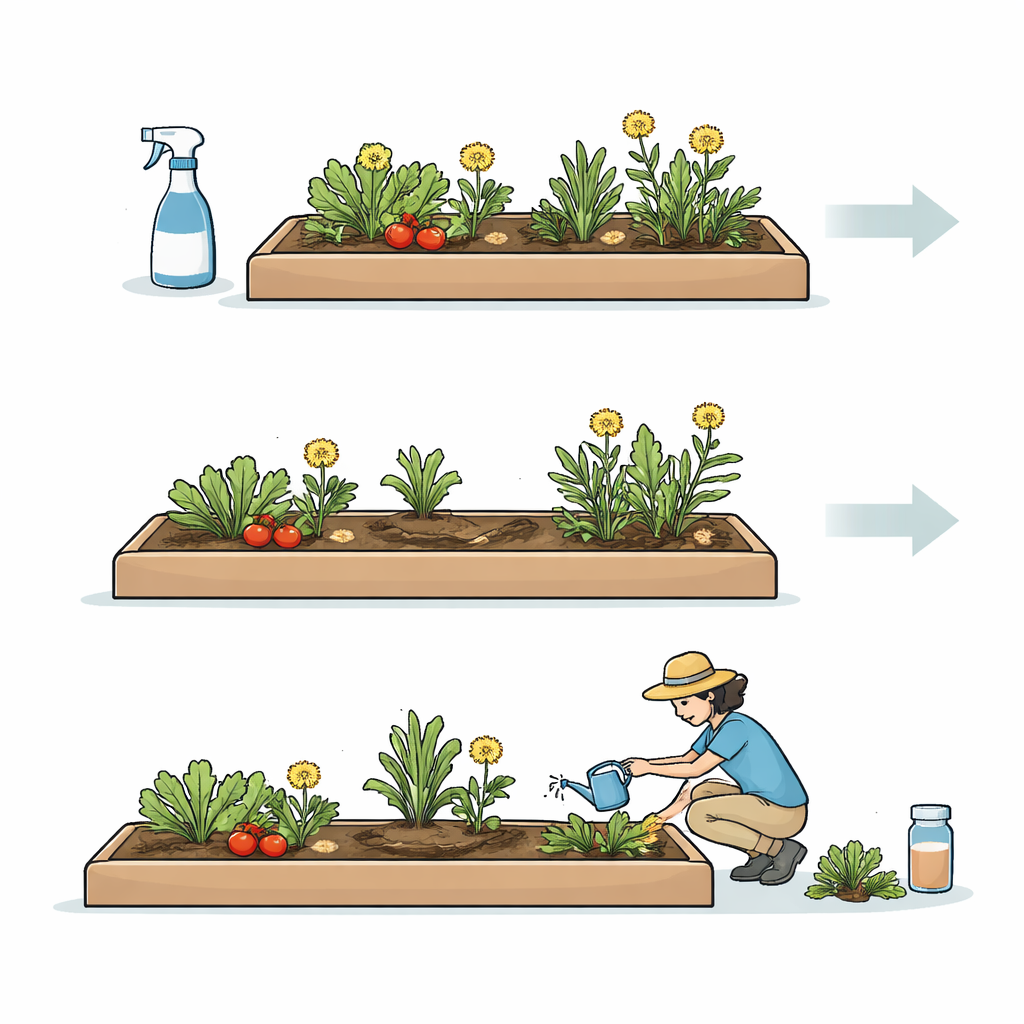
What this means for future health messages
The study’s final output is a menu of 38 carefully vetted metaphors that health agencies, educators, and campaign designers can adapt for different audiences. Some metaphors are better at illustrating basic ideas, such as the diversity of microbes; others focus on specific behaviours, like not sharing leftover pills or not expecting antibiotics for every sore throat. The authors stress that these comparisons still need to be tested in real‑world campaigns to see which ones truly change attitudes and behaviour. They also note that no single image will fit every culture or language, so local adaptation and co‑design remain crucial. Still, this work provides a practical blueprint: involve communities, keep the images simple and relatable, avoid scare tactics, and use familiar stories to show that, like tending a garden or preventing house fires, protecting antibiotics is an everyday responsibility we all can share.
Citation: Krockow, E.M., Jones, M., Mkumbuzi, S. et al. Developing public health risk messages about antibiotic resistance using metaphors: an international co-design and e-Delphi consensus study. Sci Rep 16, 9788 (2026). https://doi.org/10.1038/s41598-026-40577-5
Keywords: antibiotic resistance, health communication, risk messaging, public engagement, metaphors