Clear Sky Science · en
Influencing factors of continuance intention of medical applications for the elderly
Why Apps for Seniors’ Health Matter
As doctor’s offices get busier and populations age, many health services are moving onto our phones. For older adults, these medical apps can mean fewer long trips to the hospital, faster test results, and easier management of chronic illness. Yet many seniors try an app once and never return. This study asks a simple but crucial question: what really makes older people willing to keep using medical apps over time, and what turns them away?
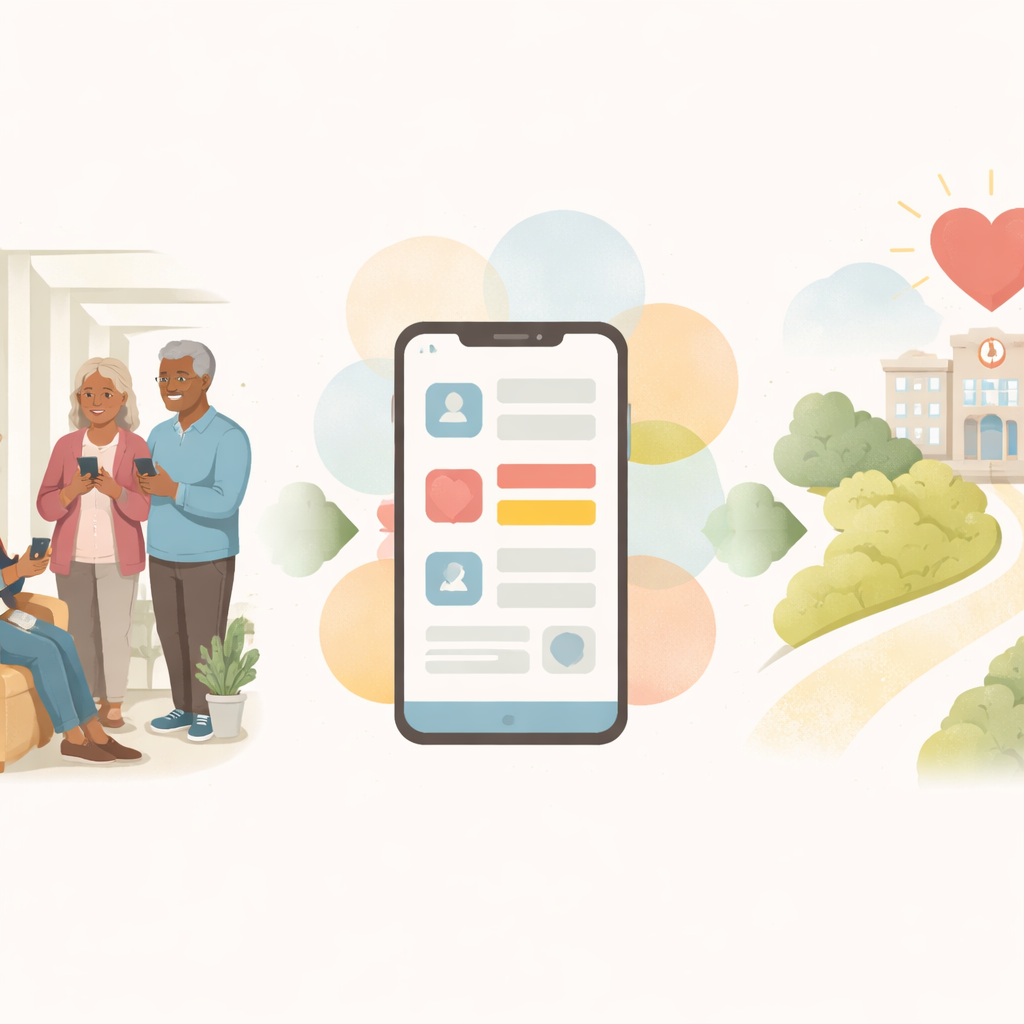
From First Impressions to Lasting Habits
The researchers focused on mobile health apps that let Chinese older adults book appointments, consult doctors, view medical reports, and manage ongoing care. They combined several well-known ideas from technology and consumer research into one big picture: people compare their initial expectations with real experience; they judge how useful and easy a tool feels; they weigh benefits against effort and risk; and they decide whether the provider seems trustworthy. All of these feelings then shape a simple outcome: do they intend to keep using the app or stop?
What Was Done in the Study
The team surveyed 282 people aged 60 and above in southern China who already had some experience using medical apps and could attend clinics independently. Using a detailed questionnaire, they measured eight key ingredients: how easy the app felt to use, how useful it seemed, overall satisfaction, sense of value, trust in the app, concern about privacy, and the degree to which the app lived up to earlier expectations. Sophisticated statistical techniques were then used to see how these pieces fit together and which ones most strongly predicted a senior’s intention to continue using the app.
What Most Encourages Continued Use
The results revealed a clear pattern. Older adults were most likely to keep using an app when they felt it was simple to operate and genuinely helped them handle medical tasks such as registering, paying fees, or monitoring a condition. Ease of use turned out to be the single strongest direct driver of future use. But it did more than that: when an app felt straightforward, people also judged it as more useful, more valuable compared with the time and effort required, and more worthy of trust. In turn, higher usefulness, stronger trust, a sense of good value, and overall satisfaction all pushed seniors toward continued use. The study also showed that when an app met or exceeded expectations during early encounters, this boosted both perceived ease and usefulness, setting off a positive chain reaction.
The Surprising Role of Privacy Worries
One of the most unexpected findings was what did not matter. Worries about personal data and privacy—often assumed to be a major barrier in digital health—did not significantly reduce either the sense of value or the intention to keep using medical apps among these older adults. The authors suggest several possible reasons. Many seniors may focus first on immediate health benefits, viewing privacy as a secondary concern. Some may not fully understand how their data could be misused. Others may feel that once they trust a hospital or app provider, that trust overrides lingering doubts about privacy. This “privacy paradox” hints that traditional risk-centered explanations do not fully capture older adults’ thinking about digital health.
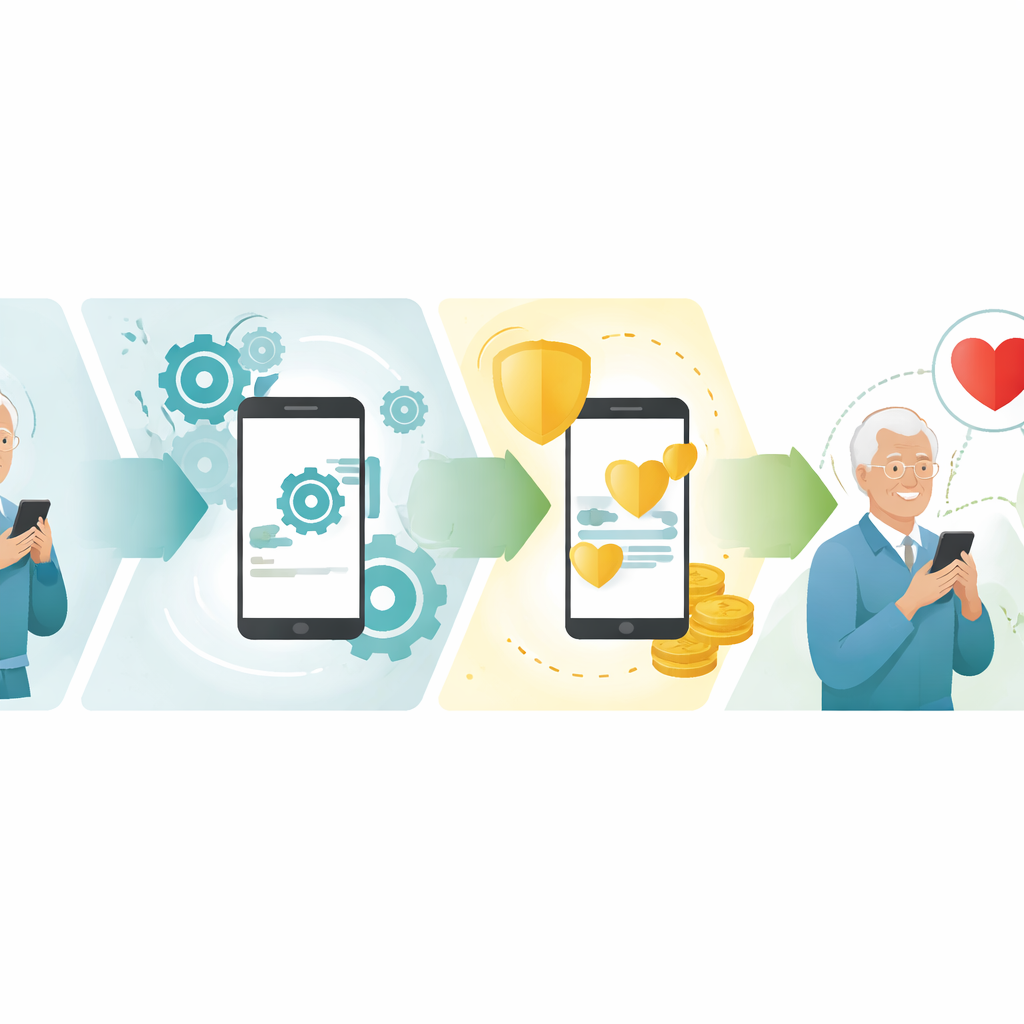
Turning Insights into Better Tools
The study concludes that to support healthy aging and reduce pressure on hospitals, designers and providers of medical apps should concentrate on making apps truly easy for seniors to handle, clearly helpful for real medical tasks, and visibly reliable. Simple screens, clear steps, and strong links to trusted hospitals can increase both perceived value and trust. Training, voice guidance, and responsive support can help early experiences confirm expectations and create satisfaction. When older adults feel that an app is effortless, worthwhile, and backed by dependable caregivers, they are far more likely to keep it as a regular part of their health routine—paving the way for mobile health to become a stable, long-term companion in later life.
Citation: Huang, T., Cai, W., Lu, T. et al. Influencing factors of continuance intention of medical applications for the elderly. Sci Rep 16, 9516 (2026). https://doi.org/10.1038/s41598-026-40494-7
Keywords: mobile health apps, elderly users, technology acceptance, digital health, user trust