Clear Sky Science · en
Erianin suppresses lung adenocarcinoma by modulating miR-494-3p/MAPK/ERK pathway
Plant compound with promise against lung cancer
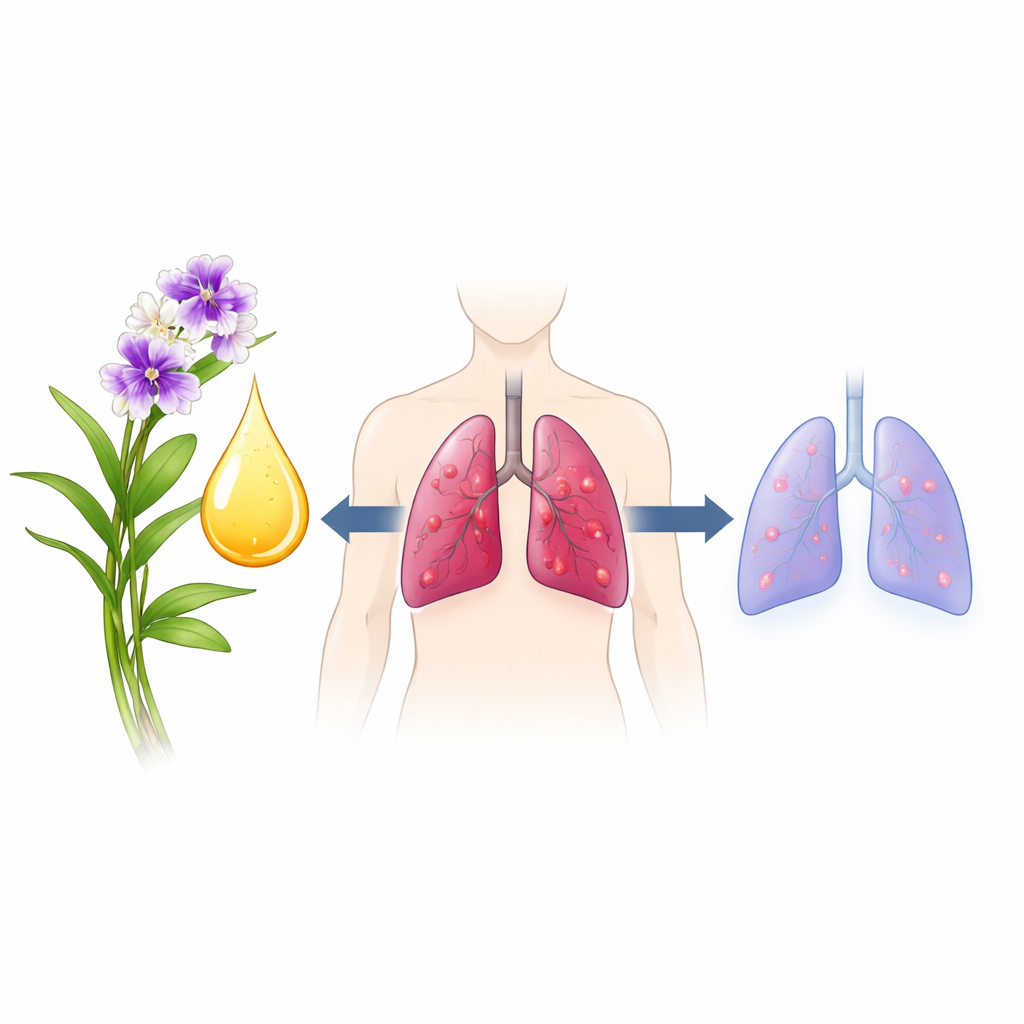
Lung cancer remains one of the deadliest cancers worldwide, and many patients either cannot afford modern targeted drugs or eventually become resistant to them. This study explores whether erianin, a natural compound extracted from the Dendrobium orchid used in traditional Chinese medicine, can slow the growth and spread of lung adenocarcinoma, the most common type of lung cancer today. By testing erianin on cancer cells in dishes and in mice, the researchers uncover how it interferes with the internal signals that help tumors grow, move, and build new blood vessels.
Why this lung cancer type is so hard to treat
Lung adenocarcinoma is now the leading form of non-small cell lung cancer, driven by rising smoking rates, changes in cigarette design, and environmental pollution. While surgery, chemotherapy, radiotherapy, targeted drugs, and immunotherapy have improved outcomes for some people, many patients face high costs and drug resistance. As a result, there is growing interest in safer, low-toxicity compounds, including active ingredients from traditional Chinese medicine. Erianin has already shown anti-tumor effects in other cancers, but until now its detailed impact on lung adenocarcinoma and the signaling routes it affects had not been clearly mapped.
How erianin changes cancer cell behavior
The team worked with two human lung adenocarcinoma cell lines, A549 and SPC-A-1, to test how different doses of erianin affected them. They found that erianin reduced cell viability, slowed closure of artificial “wounds” scratched into cell layers, and cut down the number of cell colonies that could grow, showing that it curbs proliferation. Using migration and invasion chambers, they saw that cancer cells treated with erianin were less able to move and burrow through a gel that mimics tissue barriers. Flow cytometry revealed that erianin pushed more cells into programmed cell death and stalled them in the DNA-copying phases of the cell cycle, which helps explain the drop in growth.
Cutting off growth signals and blood supply
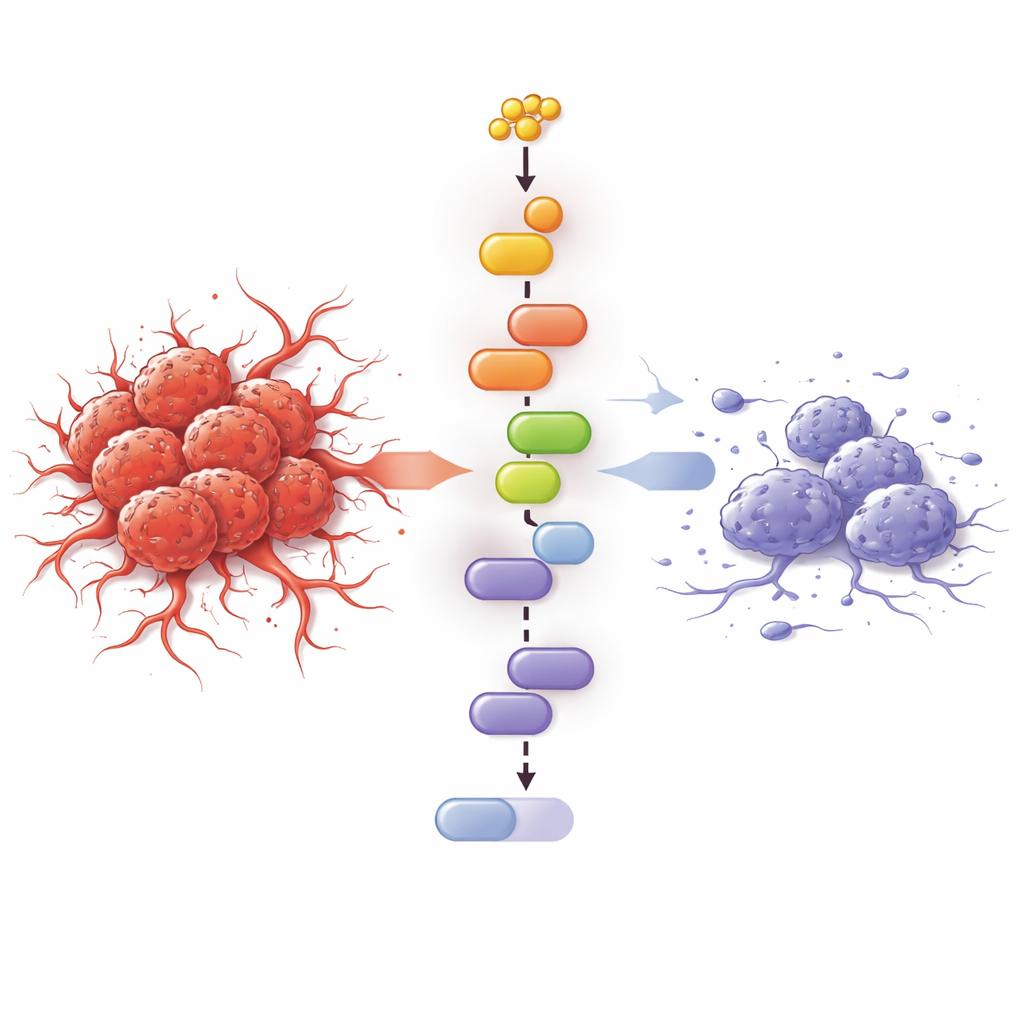
To understand what was happening inside the cells, the researchers looked at small regulatory RNAs and key proteins in major signaling pathways. They focused on a molecule called miR-494-3p, a microRNA known to promote tumors. Erianin clearly lowered miR-494-3p levels in both cell lines. At the same time, it increased a protein called MEGF9 and altered a branch of the MAPK/ERK pathway—an important chain of switches that controls cell division, survival, and movement. In particular, erianin reduced levels of MAPK13 and a set of proteins that encourage cell cycle progression (Cyclin D1), blood vessel formation (VEGF-A), and resistance to cell death (Survivin and Bcl-2). In tests using human blood vessel cells, erianin also shortened the length of tube-like structures, suggesting that it can blunt the tumor’s ability to grow new vessels that feed it.
Testing erianin in mice with human tumors
The group then implanted human lung adenocarcinoma cells under the skin of nude mice to see whether these effects held up in a living organism. Mice treated with erianin developed tumors that grew more slowly, weighed less, and were smaller than those in untreated animals. Tumor samples from treated mice showed the same pattern seen in the dishes: lower miR-494-3p, higher MEGF9, reduced MAPK13 activity, and decreased Cyclin D1, VEGF-A, Survivin, and Bcl-2, along with increased ERK1/2 protein. Some details differed between the two cell-line models, hinting that the tumor environment can shape how signals are wired, but the overall trend pointed to a consistent dampening of growth and survival cues.
What this could mean for future therapies
Taken together, the findings suggest that erianin restrains lung adenocarcinoma by dialing down the tumor-promoting microRNA miR-494-3p and, through this, rebalancing a chain of proteins known as the MEGF9/MAPK/ERK axis. This shift weakens signals that normally tell cancer cells to divide, move, avoid death, and recruit new blood vessels. While much work remains before erianin could be used in patients—including safety testing, dosing, and clinical trials—this study provides a mechanistic blueprint for how a plant-derived compound might one day complement or enhance existing treatments for lung adenocarcinoma.
Citation: Ruan, Y., Tang, L., Zhou, J. et al. Erianin suppresses lung adenocarcinoma by modulating miR-494-3p/MAPK/ERK pathway. Sci Rep 16, 10374 (2026). https://doi.org/10.1038/s41598-026-40427-4
Keywords: lung adenocarcinoma, erianin, microRNA, MAPK signaling, angiogenesis