Clear Sky Science · en
Mechanical power guided lung protective ventilation in acute respiratory failure using the VentCoach approach
Why gentler breathing machines matter
When people develop life‑threatening lung failure, doctors often must place them on a breathing machine to keep them alive. Yet the very machine that saves a life can also harm fragile lungs if each breath is too forceful. This study explores a new way to fine‑tune ventilators so they deliver enough air to sustain life while minimizing the extra damage they might cause. The researchers tested a bedside coaching system, called VentCoach, that helps respiratory therapists adjust the ventilator using a single unifying idea: how much energy the machine is pumping into the lungs over time.
A single measure of ventilator stress
Traditional ventilator management focuses on several separate settings, such as how big each breath is, how often breaths are given, and how much pressure is left in the lungs between breaths. Together, these factors determine how much mechanical "wear and tear" the lungs experience, but they are usually watched one by one. In recent years, scientists have proposed a concept called mechanical power, which bundles these settings into an overall measure of how much energy per minute the ventilator transfers to the lungs. High mechanical power has been linked in animal and human studies to more lung injury and higher death rates, but it has been hard to use at the bedside because calculating it in real time is cumbersome.
Turning raw data into bedside guidance
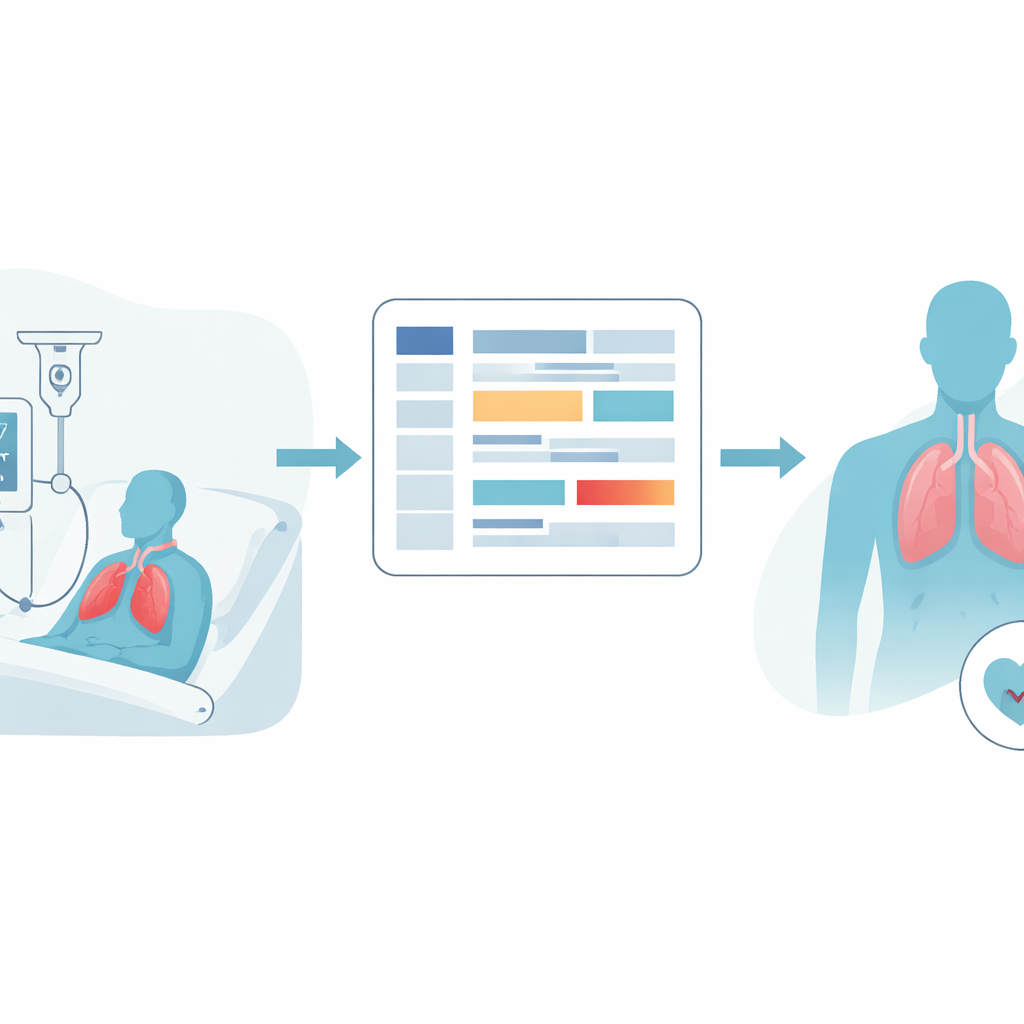
The VentCoach team built a real‑time mechanical power calculator into the hospital’s electronic health record system. For patients on a common ventilation mode, the computer automatically pulled ventilator readings and converted them into mechanical power with a simplified formula. Respiratory therapists then followed a structured protocol that used this value to guide adjustments. If a patient’s mechanical power was below a chosen safety threshold, care continued as usual. If it was at or above that threshold, the protocol prompted therapists to gently lower the size of each breath and the breathing rate, within already accepted protective ranges, and then to reassess lung recruitability to fine‑tune the baseline pressure in the lungs. The goal was to find the lowest energy delivery that still kept oxygen and carbon dioxide levels in a healthy range.
Testing VentCoach in real ICU patients
To see whether this approach could work in everyday practice, the researchers ran a small randomized trial in intensive care units at a major academic hospital. Seventeen adults with severe breathing failure who were expected to need the ventilator for at least a day were randomly assigned to either standard lung‑protective care or the VentCoach‑guided strategy. Doctors caring for the patients did not know which group each patient was in, but respiratory therapists did and adjusted the ventilators accordingly. The main question was not whether VentCoach could improve survival in such a small group, but whether therapists could use the protocol reliably without disrupting their workflow or putting patients at risk.
What changed — and what did not
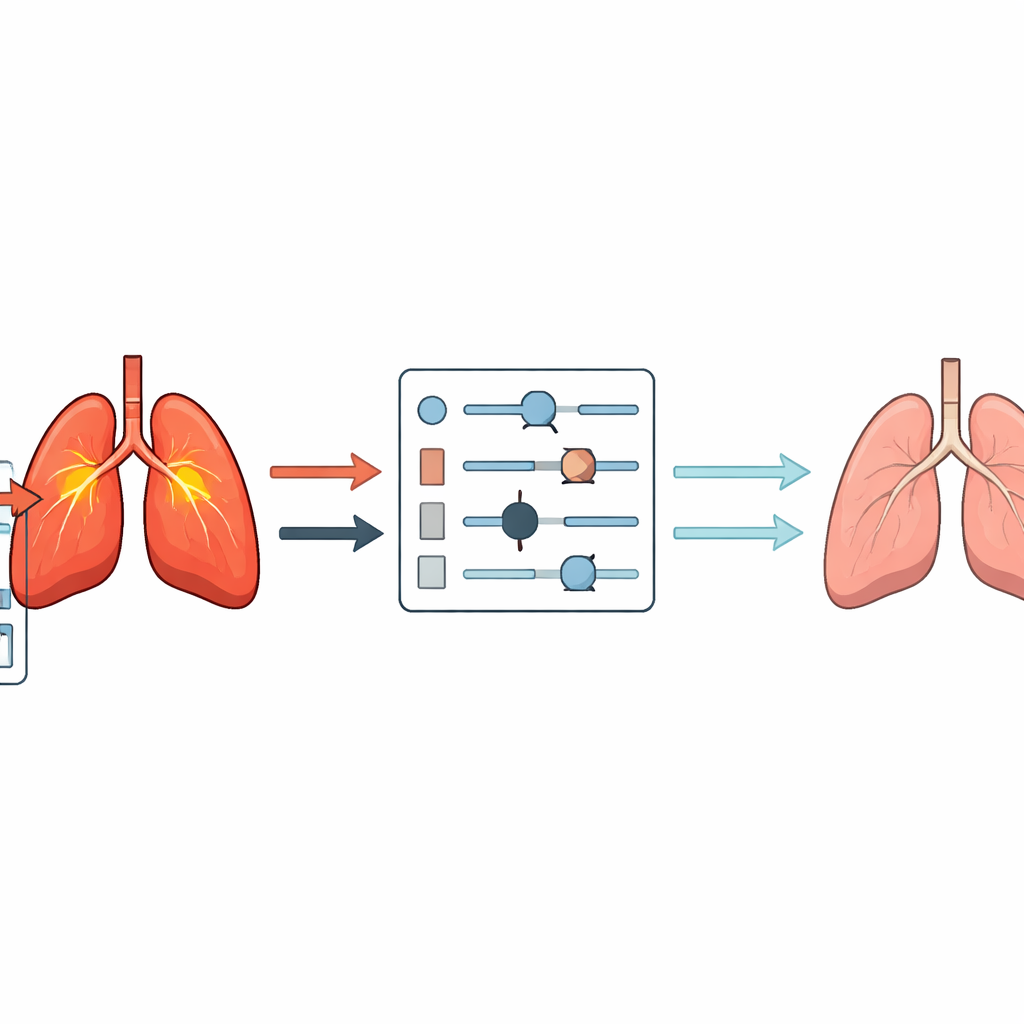
All eight patients assigned to VentCoach completed the protocol, and respiratory therapists reported no safety concerns or major slowdowns in their work. There were no clear differences between groups in serious outcomes such as time on the ventilator or survival, which is expected in such a modest study. However, the VentCoach group showed a tendency toward lower mechanical power after 24 hours compared with standard care, hinting that the protocol may indeed trim the energy the ventilator delivers to the lungs. Patients managed with VentCoach also tended to need less sedative medication, suggesting they were at least as comfortable and perhaps better synchronized with the machine, though these patterns did not reach the threshold for statistical certainty.
What this means for future care
For a layperson, the key message is that this study shows it is practical and seemingly safe to coach bedside teams in real time using the total "mechanical energy" of the ventilator as a guide, rather than relying only on traditional knobs and dials. In this small trial, VentCoach performed no worse than current best practice and gave early signals that it may reduce lung stress and the need for heavy sedation. Larger studies are now needed to confirm whether targeting mechanical power can truly lower ventilator‑related lung damage and improve recovery for critically ill patients who depend on breathing machines.
Citation: Zheng, C., Abdulla, S.W., Bauer, P.R. et al. Mechanical power guided lung protective ventilation in acute respiratory failure using the VentCoach approach. Sci Rep 16, 9786 (2026). https://doi.org/10.1038/s41598-026-40389-7
Keywords: mechanical ventilation, lung protective ventilation, mechanical power, acute respiratory failure, ICU respiratory therapy