Clear Sky Science · en
Antimicrobial susceptibility and adaptative changes in MRSA lineages exposed to increasing concentrations of fluoroquinolones and chlorhexidine
Why hospital germs are getting harder to kill
Methicillin-resistant Staphylococcus aureus (MRSA) is one of the most feared hospital germs because it can turn routine procedures into life‑threatening infections. Doctors rely on strong antibiotics and powerful disinfectants to keep it in check, but the same tools that save lives can also push bacteria to adapt. This study looks at how MRSA strains from Brazilian hospitals respond when repeatedly exposed to two common weapons—fluoroquinolone antibiotics and the disinfectant chlorhexidine—and what hidden changes inside the bacteria make them tougher to eliminate.
Tracking stubborn hospital bacteria over time
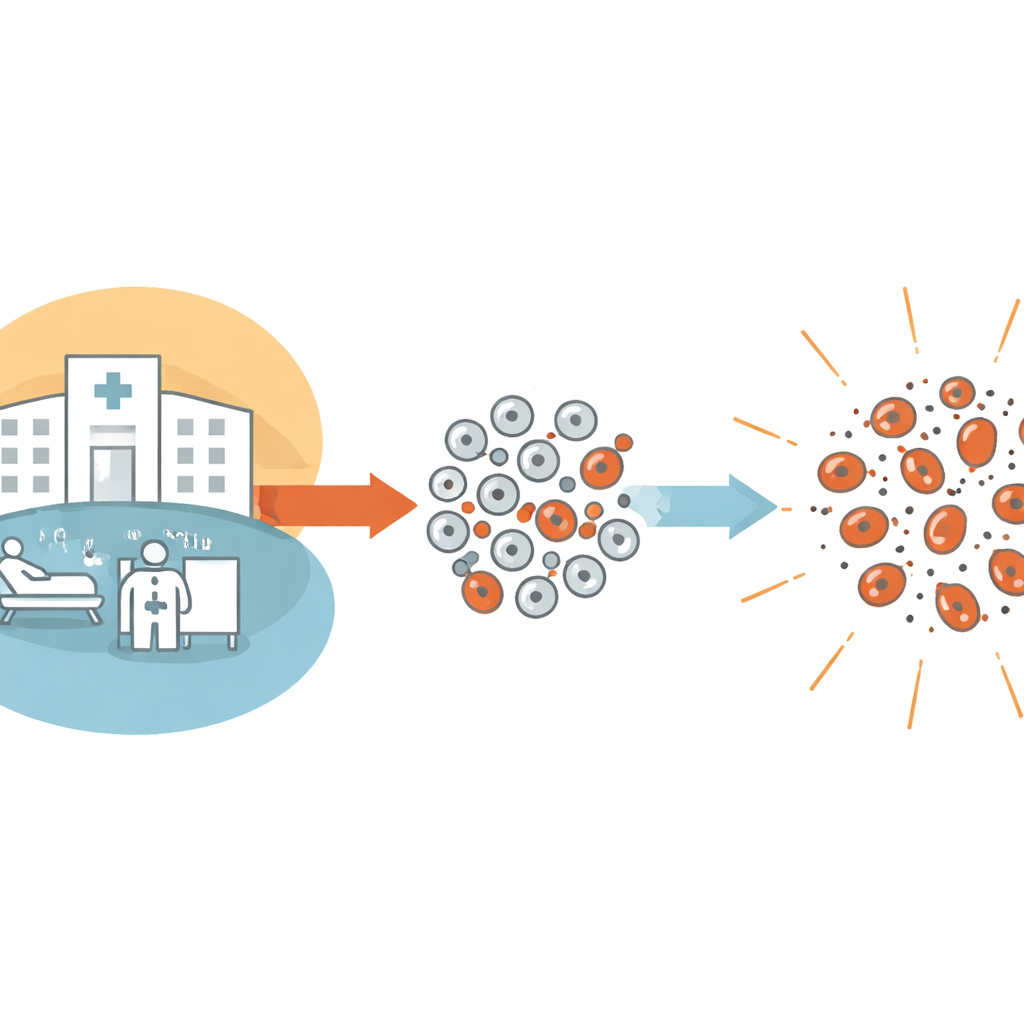
The researchers examined 75 MRSA samples collected from adult patients in Rio de Janeiro hospitals over more than a decade. Each sample belonged to a known genetic lineage, some already infamous worldwide for causing hospital outbreaks. The team measured how much antibiotic or chlorhexidine was needed to stop each strain from growing, and then checked which strains carried genes linked to drug removal systems, called efflux pumps. They paid special attention to certain lineages that were already common in local hospitals, such as a group named ST5-II, to see whether these strains were especially well-equipped to withstand treatment.
Antibiotics and disinfectant pressures working together
The results showed that more than half of the MRSA samples were resistant to at least one of the fluoroquinolone antibiotics tested, with the ST5-II lineage standing out as the most resistant. For chlorhexidine, the amounts needed to stop growth were still far below the concentrations typically used on hospital surfaces and skin, but these values were not uniform across lineages. Many strains became easier to kill when the researchers added verapamil, a compound that blocks efflux pumps. This suggested that some MRSA were surviving in part by actively pumping out both antibiotics and chlorhexidine rather than simply blocking these agents at their targets.
How MRSA adapts under constant attack
To mimic hospital conditions where bacteria face repeated treatment, the team chose 10 representative strains and exposed them, step by step, to rising levels of ciprofloxacin (a fluoroquinolone) or chlorhexidine over two weeks. After this challenge, most strains needed two to 32 times higher antibiotic doses to be controlled, and some also became harder to treat with other drugs such as tetracycline. In several cases, the bacteria temporarily became more resistant but then reverted once the pressure was removed, a phenomenon known as rebound resistance—showing that not all changes are permanent. Many strains also showed stronger efflux pump activity after exposure, reinforcing the idea that these pumps are a flexible survival tool when bacteria are under stress.
Genetic tweaks that lock in resistance
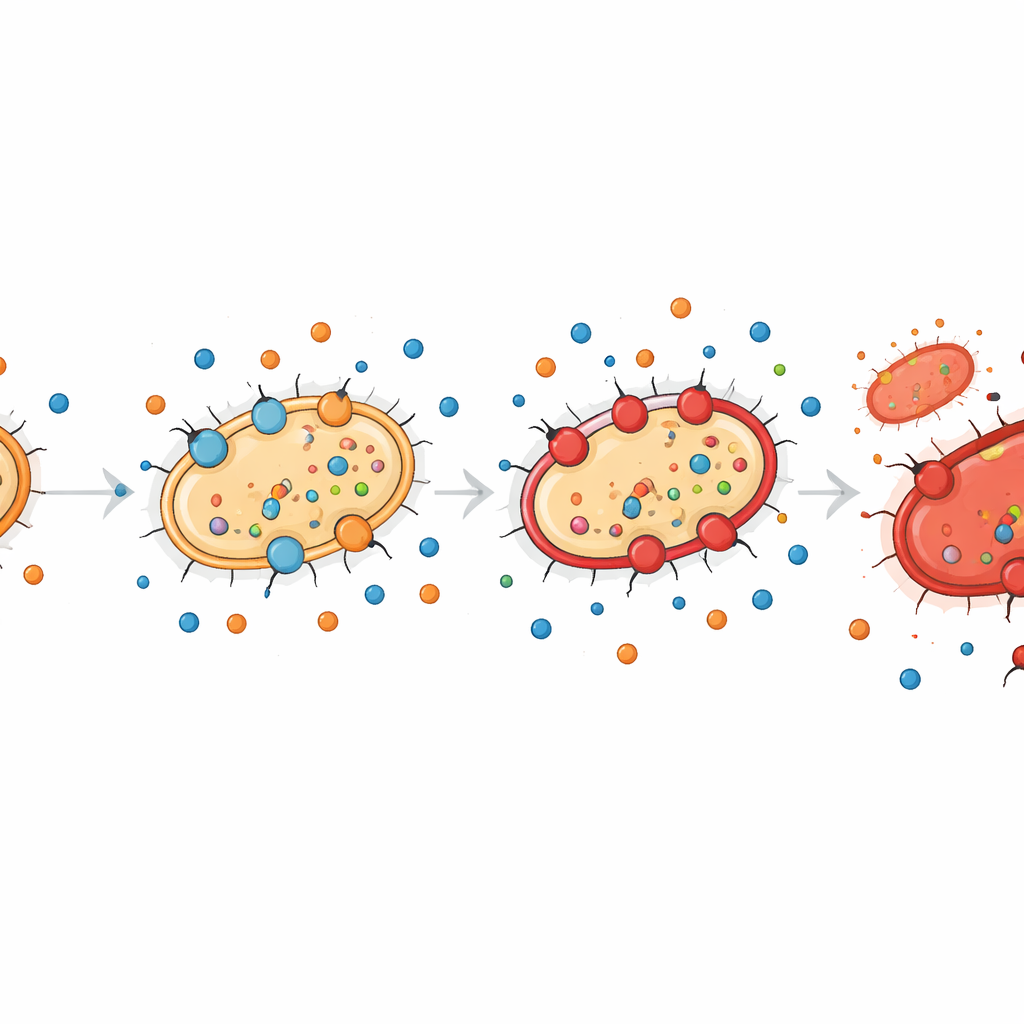
Beyond short‑term adaptation, the researchers looked for lasting genetic changes in key bacterial genes involved in copying DNA and in running efflux pumps. After exposure to high levels of ciprofloxacin or chlorhexidine, three strains developed specific point mutations—tiny changes in their DNA sequence—in genes called gyrA, parC, norA, and norB. These genes are known to shape how fluoroquinolones bind to their targets or how effectively the cell can push drugs out. One MRSA strain that started off sensitive to fluoroquinolones became clearly resistant after accumulating several of these mutations, while another already-resistant strain gained extra changes that made it even tougher to treat.
What this means for everyday care
Together, the findings show that heavy use of both antibiotics and disinfectants can push MRSA to adapt through a combination of quick, reversible responses and slower, permanent genetic changes. In particular, a prevalent hospital lineage, ST5-II, appears especially prone to building up high‑level resistance and carrying efflux pump genes. For patients and clinicians, this means that overusing powerful drugs and antiseptics can unintentionally help the most robust MRSA strains rise to dominance. The study underscores a simple message: hospitals must use antibiotics and disinfectants carefully and thoughtfully, so that these vital tools remain effective against dangerous bacteria instead of training them to become even harder to defeat.
Citation: de Oliveira, T.L.R., de Souza, A.F., de Souza, B.M. et al. Antimicrobial susceptibility and adaptative changes in MRSA lineages exposed to increasing concentrations of fluoroquinolones and chlorhexidine. Sci Rep 16, 9274 (2026). https://doi.org/10.1038/s41598-026-40345-5
Keywords: MRSA, antibiotic resistance, hospital infections, fluoroquinolones, disinfectants