Clear Sky Science · en
ELK1 suppressed the progression of vascular dementia via modulating mTOR/CREB/YAP/TFEB signaling induced ferroptosis in hippocampal cells
Why this brain study matters
As people age, many fear losing their memory and independence. Vascular dementia is one of the leading causes of such decline, arising when poor blood flow slowly injures the brain. Yet there are still no targeted treatments. This study explores a newly highlighted “guardian” molecule in brain cells, called ELK1, and shows how boosting it can protect a key memory region in rats by blocking a destructive, iron-driven form of cell death. Understanding this hidden safety system could point the way toward future therapies for vascular dementia and related conditions.
Blood flow problems and memory loss
Vascular dementia develops when blood vessels cannot deliver enough oxygen and nutrients to brain tissue, causing long-term damage. The hippocampus, a seahorse-shaped structure deep in the brain, is especially vulnerable; it is crucial for forming new memories and managing emotional responses. When its cells are starved of blood and oxygen, they degenerate, connections between neurons weaken, and thinking and memory suffer. In this work, researchers used a well-established rat model that mimics this slow, chronic loss of blood flow to study what happens inside hippocampal cells during vascular dementia, and to test whether ELK1 can change that course.
A protective switch in hippocampal cells
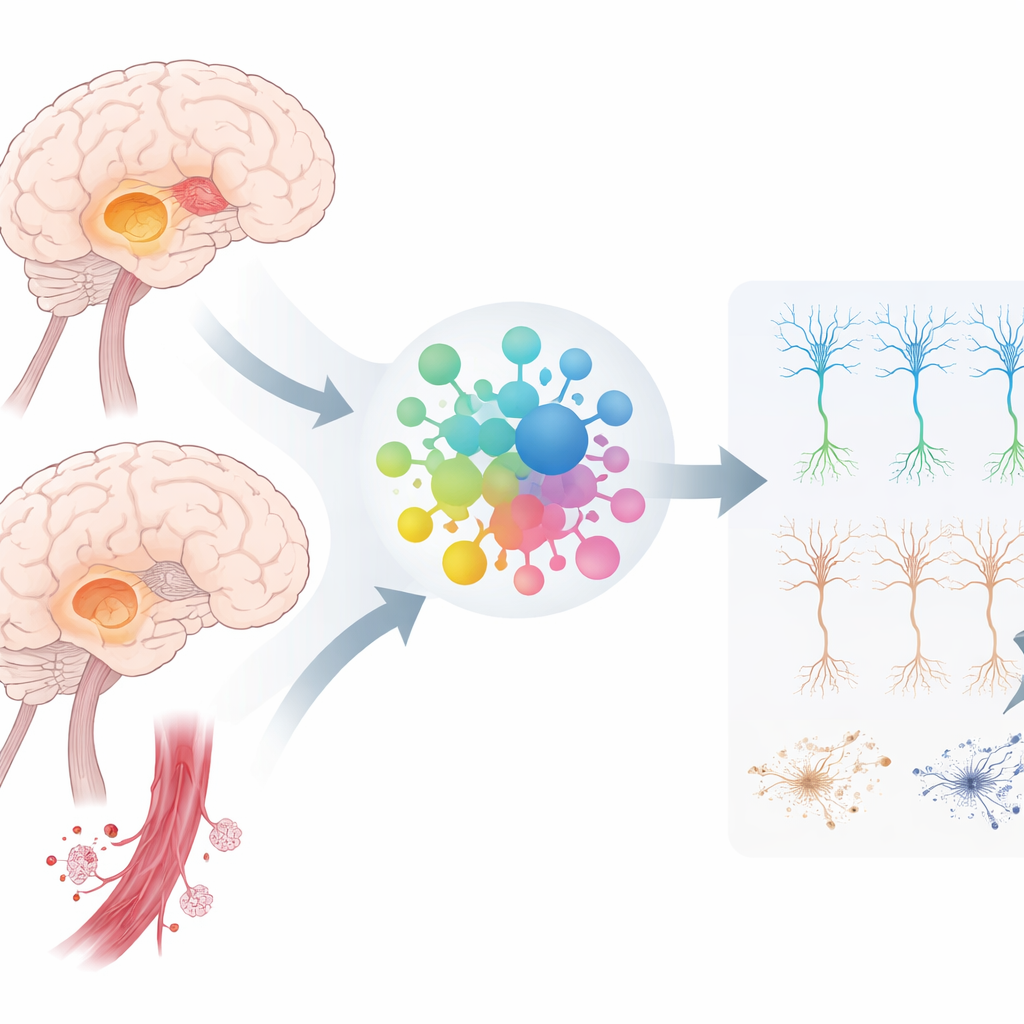
ELK1 is a protein that sits in the cell nucleus and helps turn genes on or off. It is known to influence how nerve cells develop and respond to stress, but its role in vascular dementia was unclear. The team first looked at large human gene datasets and found many changes in pathways related to iron handling, oxidative damage, and cell death in people with vascular dementia. Among the key players emerging from these analyses were ELK1 and a group of signaling partners involved in cell growth, stress responses, and recycling of cell components. This suggested that ELK1 might be part of a larger control hub that decides whether hippocampal cells survive or die under poor blood flow.
Testing ELK1 in a rat model
To probe this idea, the researchers blocked both carotid arteries in rats, sharply reducing blood supply to the brain and producing learning and memory problems in a water maze test. Microscopy showed that neurons in the hippocampus of these animals were sparse, irregularly arranged, and often dying, closely resembling changes seen in human vascular dementia. When the team used a virus to boost ELK1 levels specifically in the brain, the picture changed: rats performed better in the water maze, and their hippocampal neurons looked healthier, with clearer cell structures and fewer inflammatory cells. These findings indicated that higher ELK1 activity could partially rescue memory and tissue damage despite ongoing blood flow problems.
How ELK1 blocks iron-driven cell death
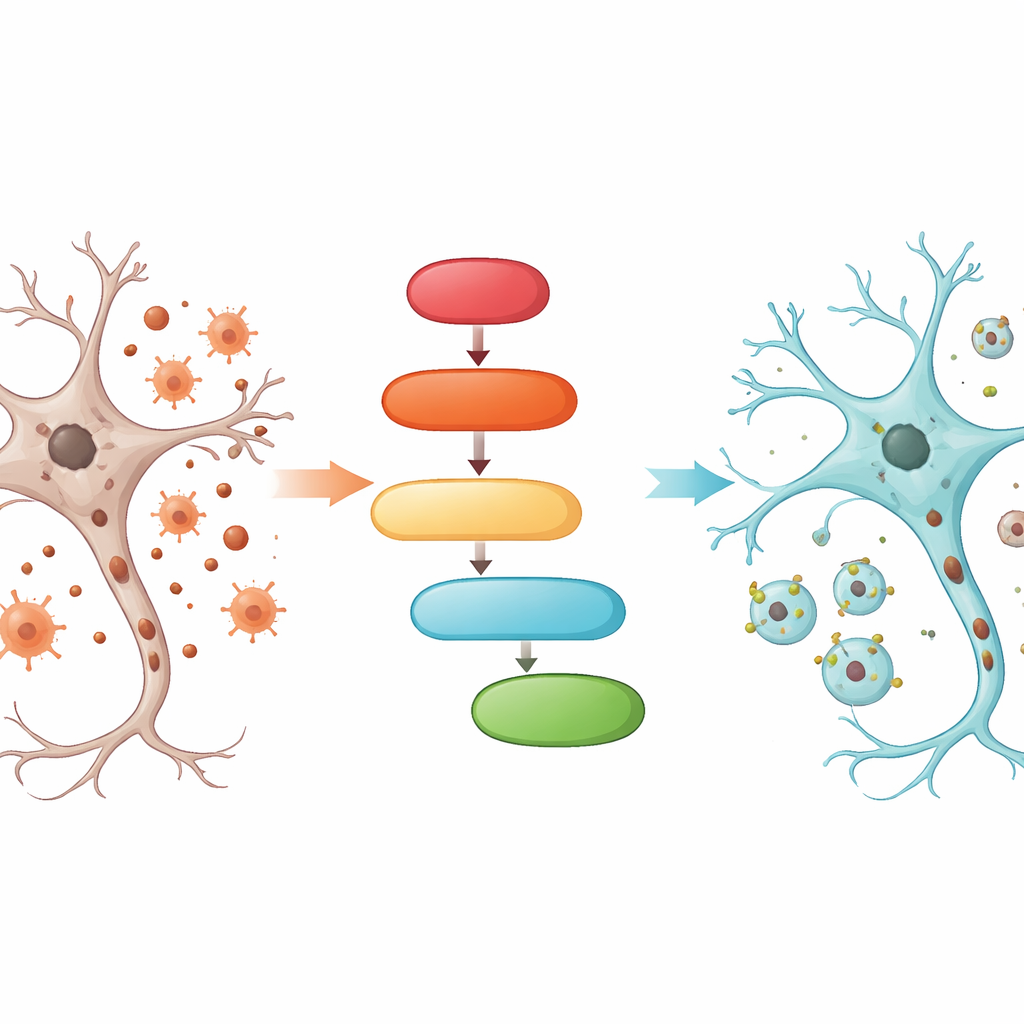
Diving deeper, the researchers isolated hippocampal cells and exposed them to low oxygen and extra iron, conditions that trigger a particular type of cell death known as ferroptosis. In this state, iron overload fuels the production of harmful reactive molecules that attack cell membranes. The team found that ELK1 boosts a signaling chain involving several internal messengers (mTOR, CREB, YAP, and TFEB). When this chain is active, antioxidant defenses are strengthened, damaging iron buildup is reduced, and markers of ferroptosis drop. Using a series of chemical blockers and activators, they mapped the sequence of events step by step and showed that disrupting any key link in the chain revived iron accumulation, oxidative stress, and cell death.
What this means for future brain health
Together, the animal and cell experiments support a clear message: ELK1 acts as an upstream switch that can calm an iron-fueled death program in hippocampal neurons, slowing the brain injury that underlies vascular dementia in this model. While these findings are still early and limited to rats and cultured cells, they uncover a detailed pathway connecting blood vessel damage, iron overload, and nerve cell loss. In the long run, medicines designed to enhance ELK1 activity or gently steer this signaling chain toward protection could help preserve memory in people at risk of vascular dementia. Much work remains before such treatments reach the clinic, but this study charts a promising route.
Citation: Xu, J., Liu, M., Qi, Q. et al. ELK1 suppressed the progression of vascular dementia via modulating mTOR/CREB/YAP/TFEB signaling induced ferroptosis in hippocampal cells. Sci Rep 16, 11088 (2026). https://doi.org/10.1038/s41598-026-40339-3
Keywords: vascular dementia, hippocampus, ferroptosis, iron and brain, neuroprotection