Clear Sky Science · en
Knowledge attitude and practice of privacy protection in mobile phone use among psychiatric inpatients
Why Your Phone Privacy Matters in the Hospital
For most of us, smartphones are an everyday lifeline. But for people receiving treatment on psychiatric wards, these devices can be both a bridge to the outside world and a hidden source of risk. This study from a large psychiatric hospital in Nanjing, China, looked at how much psychiatric inpatients know about protecting their privacy when they use mobile phones, how seriously they take the issue, and what they actually do in practice. The findings reveal important gaps that could leave a highly vulnerable group exposed to online harm, stigma, and misuse of personal information.
Phones in a Vulnerable Setting
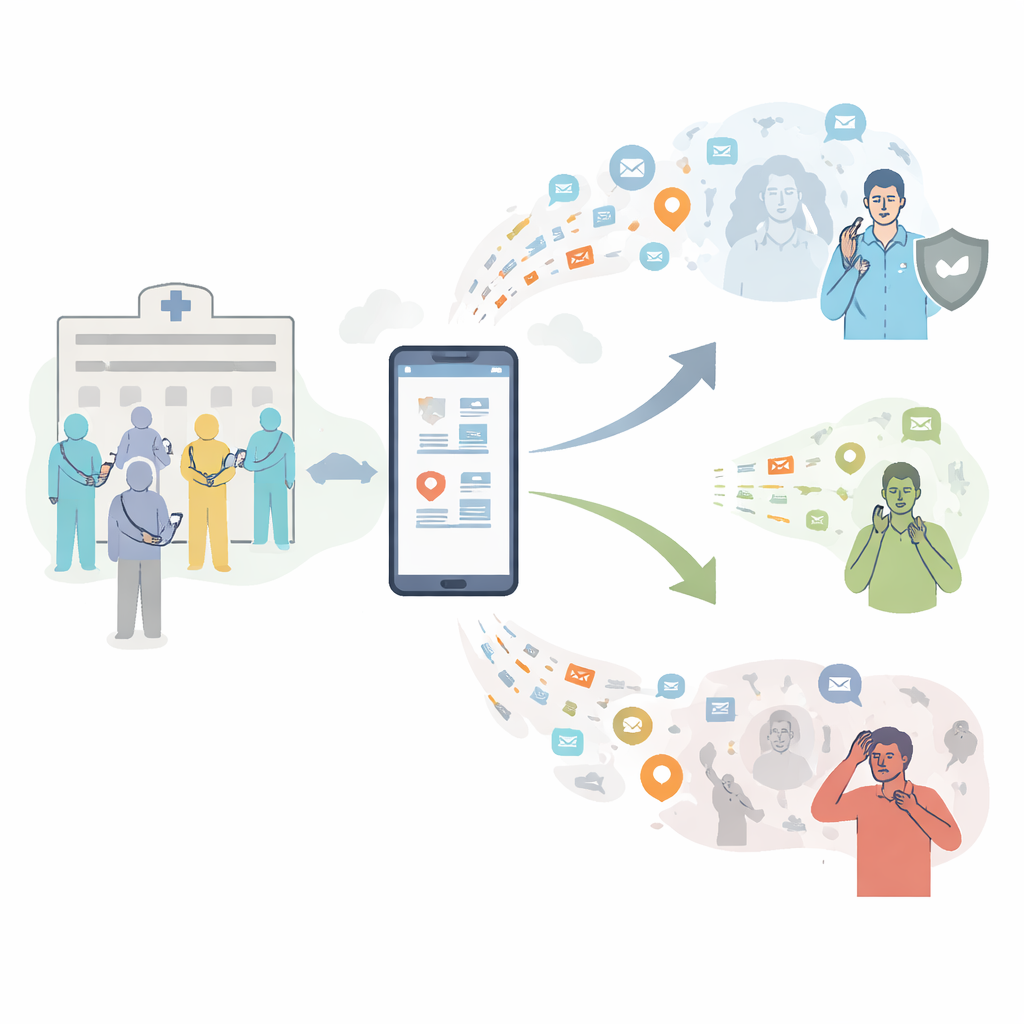
Psychiatric inpatients often rely on phones to stay in touch with family, maintain social connections, and support their recovery. At the same time, they may face challenges such as impaired judgment, cognitive difficulties, or emotional distress. These problems can make it harder to recognize privacy threats, such as sharing sensitive information on social media, posting photos of other patients, or clicking on suspicious links. In the closed environment of a ward, where many people live in close quarters, information and images can circulate quickly and widely, magnifying any privacy breach and potentially deepening social stigma.
How the Study Was Done
To explore these issues, the researchers surveyed 120 clinically stable psychiatric inpatients aged 14 and older in seven wards of Nanjing Brain Hospital. All participants were judged capable of understanding the questions and had normal scores on a brief cognitive test. Using a carefully developed questionnaire, the team asked about three areas: what patients know about privacy and related laws, how they feel about the importance and risks of privacy breaches, and what they usually do when using their phones, such as taking photos in the ward or interacting with strangers online. Each area received a score, and overall results were classified as good, moderate, or poor.
What Patients Know, Think, and Do
The overall picture was worrying. More than half of the patients had poor knowledge about mobile phone privacy, and nearly six in ten scored poorly when all three areas were combined. Very few reached the “good” level. Many patients did not know that strict rules about privacy are written into China’s Civil Code, and some did not clearly see that disclosing private information can carry real risks. In daily phone use, weak knowledge and lukewarm attitudes translated into shaky habits: sizeable numbers reported unsafe behaviors, such as taking photos of fellow patients or not being careful about what they share online. These patterns fit a simple idea: if people do not fully understand privacy or take it seriously, they are unlikely to protect it well.
Who Is Most at Risk
The study also found that privacy awareness and behavior were not evenly spread across the group. Women generally scored higher than men in knowledge, attitudes, and day-to-day practices. Older patients and those in their thirties and forties tended to be more careful than teenagers, who had the weakest protective habits despite being heavy phone users. Patients with more years of schooling and better economic resources showed stronger privacy skills, likely because they have had more chances to learn about digital risks and legal rights. People with mood disorders, such as depression or bipolar disorder, scored better than those with schizophrenia, a condition often linked to more severe social and thinking difficulties. Marital status and living situation also mattered: patients who were married, divorced, or living with a spouse showed stronger concern for personal boundaries than single patients or those living only with parents.
What Needs to Change
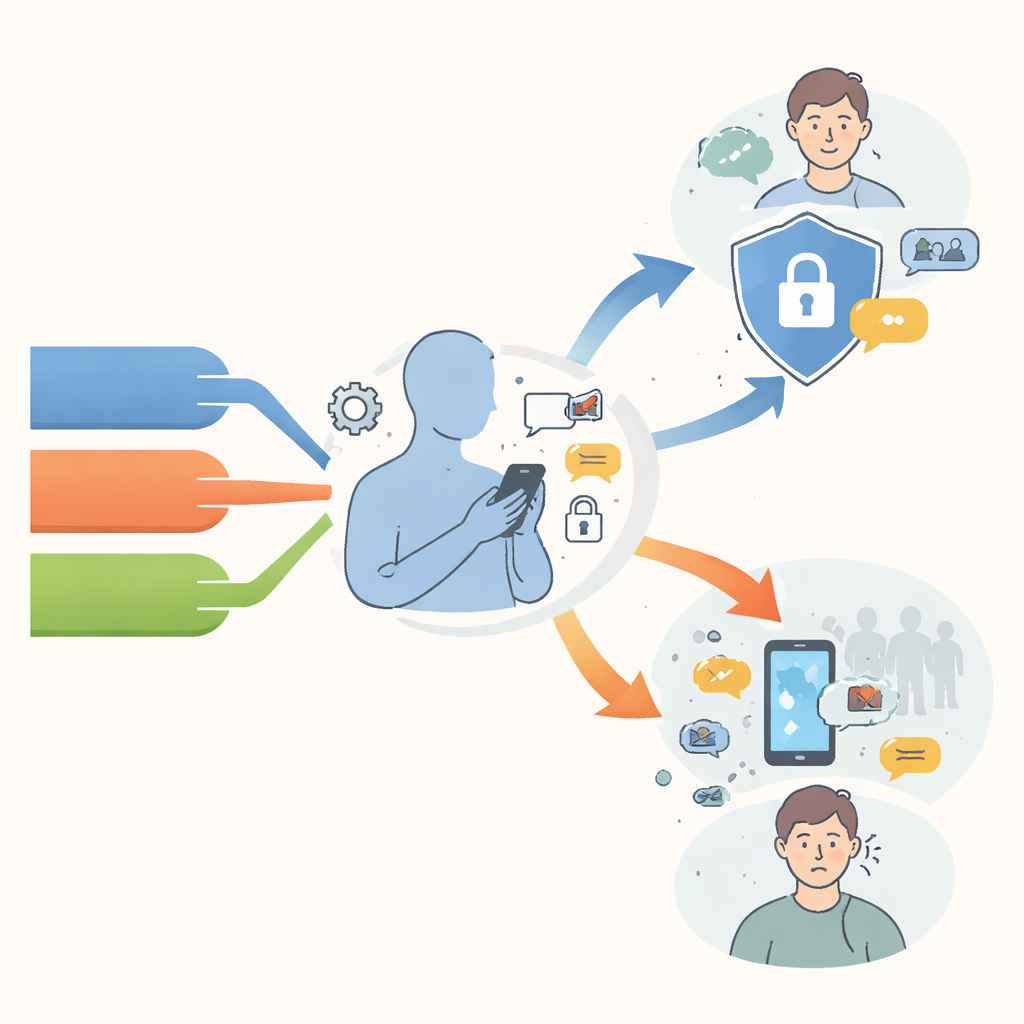
These findings point to an urgent need for clear, practical education about mobile phone privacy tailored to psychiatric inpatients. Simple teaching sessions, visual guides, and ward rules that explain safe and unsafe behaviors could help patients better understand legal protections, recognize online risks, and adopt safer habits. Because different groups of patients face different challenges, such support will likely need to be adapted by age, diagnosis, and education level. By closing the gaps in knowledge and day-to-day practice, hospitals can help protect patients not only from digital harm and embarrassment, but also from added stigma that could slow their recovery.
Citation: Qi, X., Xu, L., Cai, S. et al. Knowledge attitude and practice of privacy protection in mobile phone use among psychiatric inpatients. Sci Rep 16, 9134 (2026). https://doi.org/10.1038/s41598-026-40327-7
Keywords: mobile phone privacy, psychiatric inpatients, digital health, social media risks, patient education