Clear Sky Science · en
Moral distress of primary health care workers during the global pandemic
Why this story matters
The COVID-19 pandemic did not only test hospitals and intensive care units; it also pushed neighborhood clinics and family doctors to their limits. This study looks at an often hidden cost of that pressure: the emotional and moral strain on primary care workers in Istanbul who felt unable to give the kind of care they believed their patients deserved. Understanding this invisible burden helps explain why many health professionals feel exhausted, discouraged, or even ready to leave their jobs—and what can be done to support them before the next crisis.
The hidden weight on family clinics
In Türkiye, the first stop for most people seeking medical help is the Family Health Center, where family physicians, nurses, and midwives provide ongoing care. During the pandemic, these centers suddenly had to juggle contact tracing, home visits, and mass vaccination on top of their usual work. Protective equipment was scarce, fear of infection was constant, and economic and social pressures grew. In this environment, staff frequently faced situations where they knew what good care should look like but felt blocked by lack of time, staff, or resources. That clash between values and reality is what ethicists call “moral distress.”
What the researchers set out to learn
The authors focused on two questions: how widespread and how intense moral distress was among family health workers in Istanbul during COVID-19, and how it related to the “ethical climate” of their workplaces—basically, whether staff felt their organization encouraged open communication, fairness, and support around difficult decisions. They surveyed 270 professionals—family physicians, nurses, midwives, and other staff—from six districts. Three districts had very high death rates from infectious diseases (used as a stand-in for COVID-19 mortality), and three had low ones. Everyone completed standardized questionnaires measuring moral distress and perceptions of ethical climate, along with basic demographic and work information. 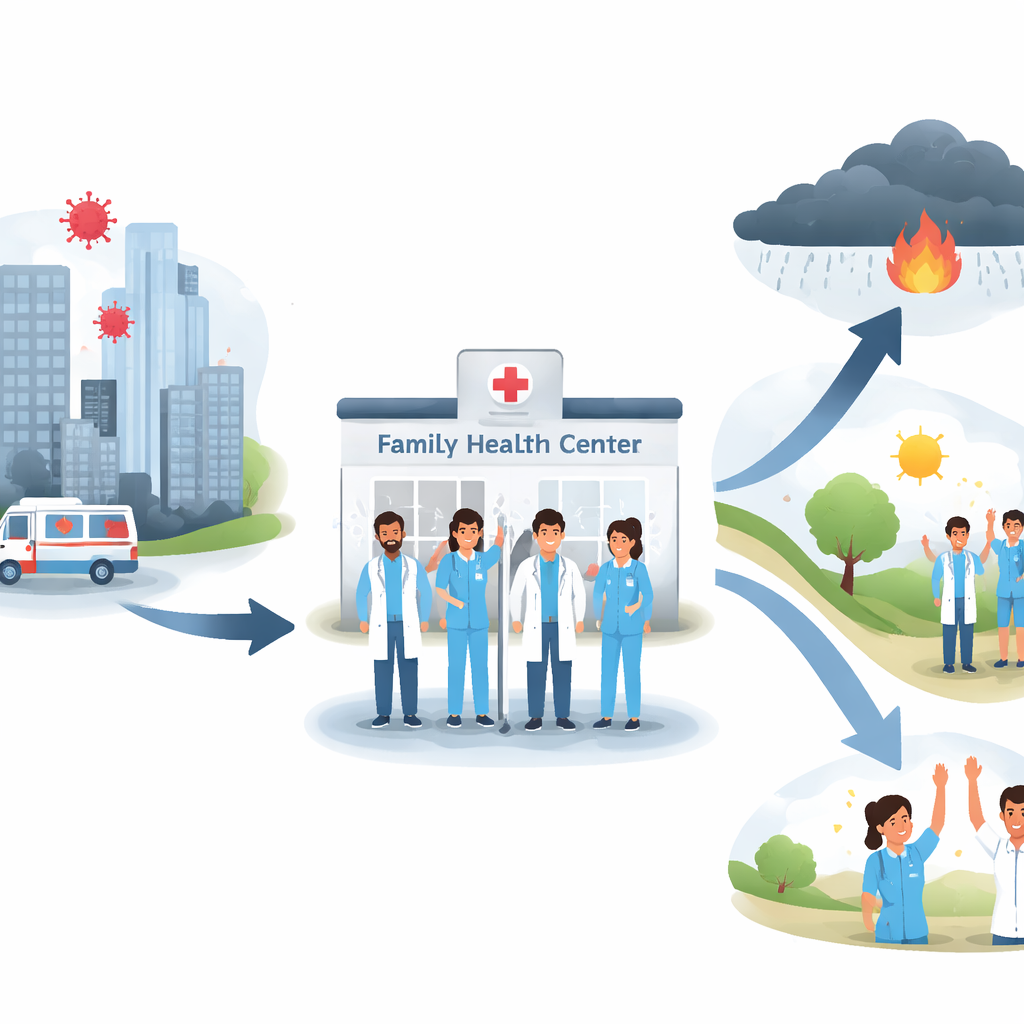
Where distress hit hardest
Overall, moral distress scores were substantial and varied widely, showing that many primary care workers were struggling. Those in high-mortality districts reported clearly higher distress than those in low-mortality areas. These workers also faced heavier daily patient loads and slightly shorter consultation times, suggesting that sheer workload and intensity of the pandemic were major drivers of distress. The most troubling situations came from what the authors call the “system” dimension—pressures built into how care is organized. The single most distressing experience was having to care for more patients than could be managed safely, a scenario that many readers will recognize from crowded clinics and overbooked appointment lists.
Doctors under pressure and the role of workplace culture
Contrary to much of the earlier research, which often finds nurses most affected, family physicians in this study reported higher moral distress than other staff and rated their centers’ ethical climate more negatively. As the professionals ultimately responsible for patient pathways and medical decisions, they were caught between rising expectations and limited resources. At the same time, family health staff such as nurses and midwives tended to view the ethical climate more positively and experienced somewhat lower distress. Across all participants, there was a clear pattern: the worse people felt about the fairness, communication, and supportiveness of their workplace, the higher their moral distress scores. Even personal life mattered—having children was linked with more distress, perhaps because worries about bringing the virus home added another layer of moral conflict. 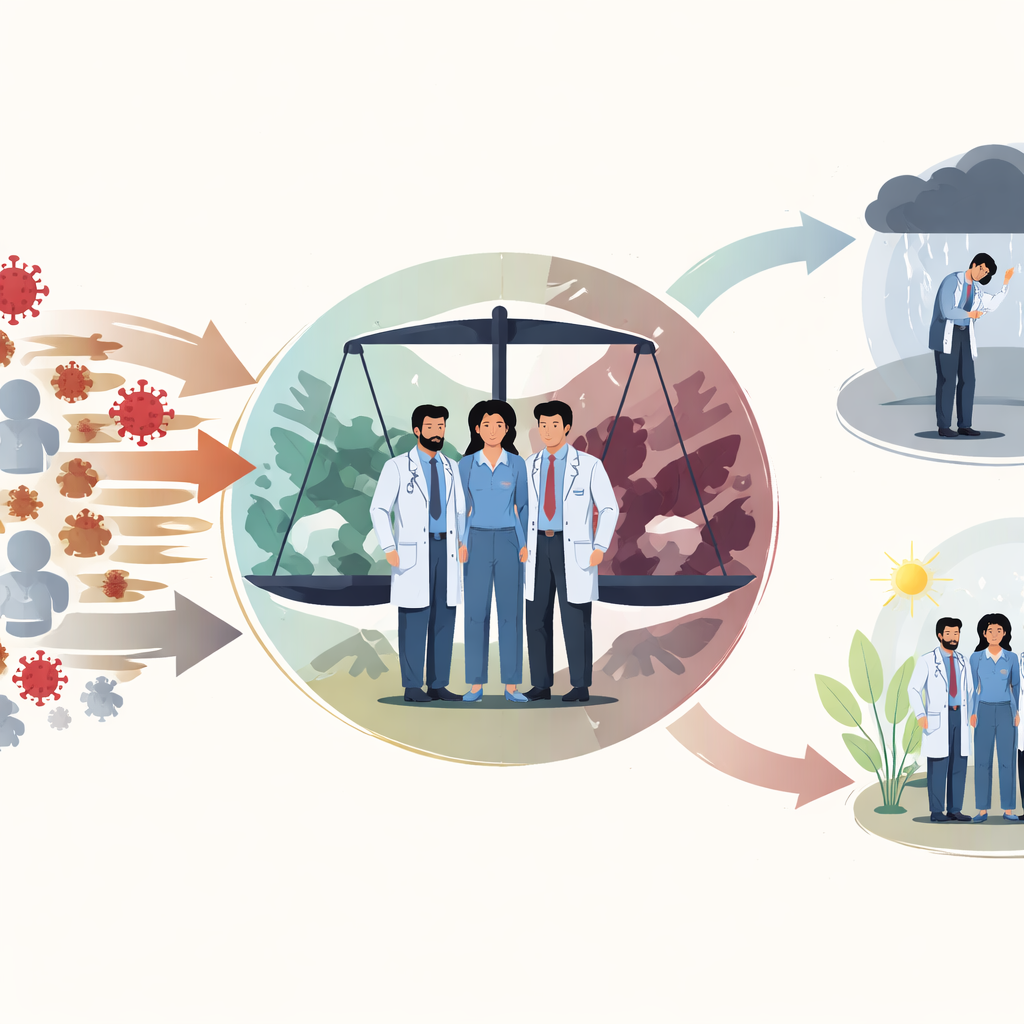
What needs to change
This study paints a picture of moral distress as more than an individual weakness; it is closely tied to how health systems are organized and how leaders respond in crisis. When primary care workers are overloaded and feel unheard, the result is not just tired staff but deep moral injury that can threaten their mental health and push them out of the profession. The authors argue that reducing patient overload, sharing work more fairly, offering mental health and ethics support, and creating safe spaces to discuss tough choices are essential steps. Put simply, if we want resilient health systems that can weather future emergencies, we need to care not only for patients but also for the conscience and well-being of the people who look after them.
Citation: Doğan, M., Akpınar, A. Moral distress of primary health care workers during the global pandemic. Sci Rep 16, 8698 (2026). https://doi.org/10.1038/s41598-026-40282-3
Keywords: moral distress, primary health care workers, COVID-19 pandemic, ethical climate, family health centers