Clear Sky Science · en
Plasma brain-derived tau: analytical and clinical validation of the first commercial immunoassay
Why a blood test for brain damage matters
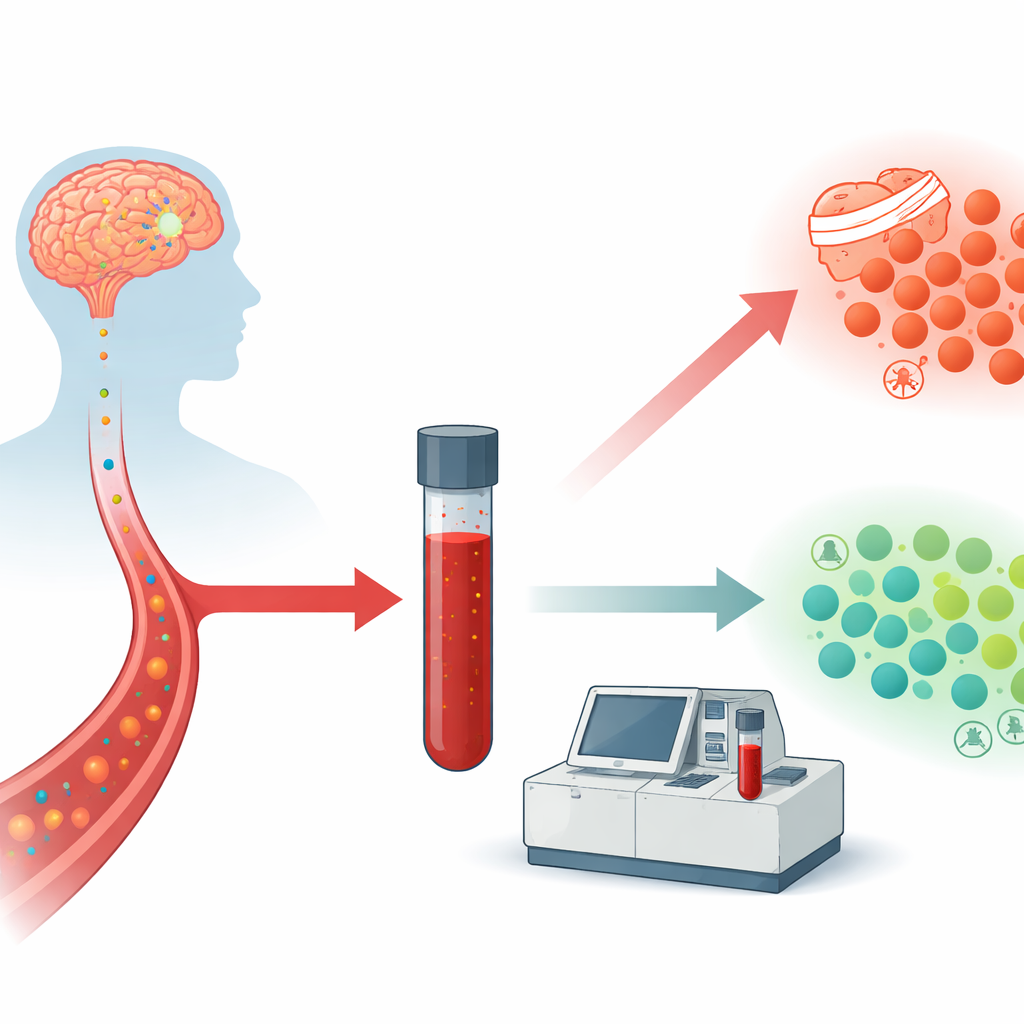
Head injuries and diseases like Alzheimer’s can silently damage the brain long before symptoms are obvious. Doctors have long wanted a simple blood test that could reveal what is happening inside the skull, much like cholesterol tests do for the heart. This study describes and rigorously tests the first commercial blood test designed to measure a form of a brain protein called brain‑derived tau, aimed at giving clinicians a clearer, more reliable window into brain injury and degeneration.
A new way to read signals from the brain
Many current brain tests rely on sampling the fluid that bathes the brain and spinal cord, an invasive procedure that is costly and not practical for routine use. Blood tests are far easier to obtain, but they suffer from a key problem: many of the proteins scientists want to track are also made by other organs. Tau, for example, is abundant in the brain but is also found in the lungs, heart, muscles, and more. That means a standard “total tau” blood test mixes signals from the brain with those from the rest of the body, blurring the picture of true brain damage. The new brain‑derived tau (BD‑tau) test is built to solve this by focusing only on the tau varieties produced in adult brain cells.
How the specialized blood test was put to the test
The research team independently evaluated the first commercial version of the BD‑tau blood test, sold as a research kit and run on an ultra‑sensitive instrument. They checked whether the assay gives stable results when the same samples are measured repeatedly, whether it works across different testing days and plates, and how well it performs when samples are diluted or spiked with known amounts of tau protein. The test showed low variation from run to run, with measurement noise well within the range considered acceptable for clinical laboratories. It accurately tracked decreasing tau levels when samples were diluted up to sixteen‑fold, recovered 86–96% of added tau, and could detect very low concentrations while remaining reliable at higher ones.
Focusing on brain signals, not body noise
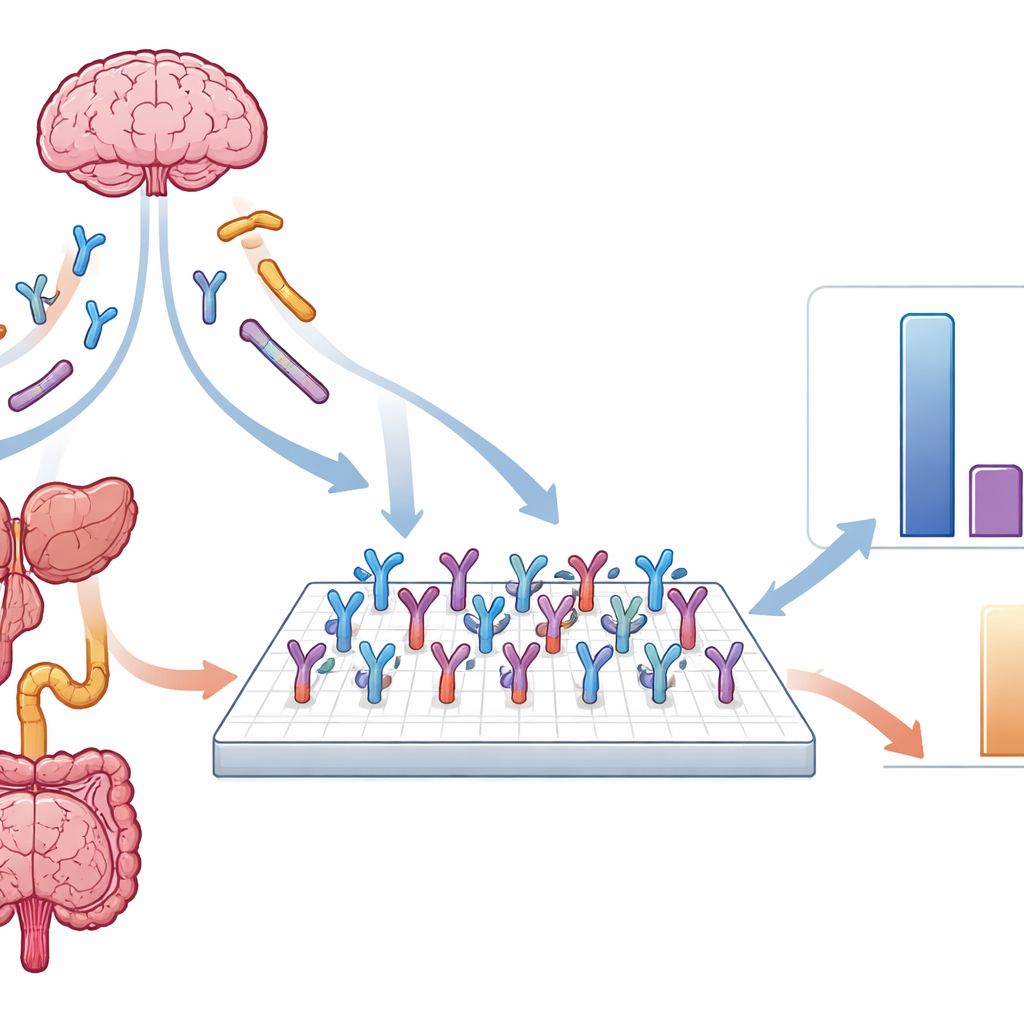
A central question was whether this assay truly “sees” only tau from the brain. To probe this, the scientists compared its response to two laboratory‑made tau proteins: the form that dominates in the brain and a longer version more common in peripheral tissues, sometimes called big tau. Across several tested concentrations, the assay produced strong, proportionate signals for the brain‑type tau but barely responded to the peripheral version, even when both were present in blood‑like mixtures. The team also showed that BD‑tau levels measured in plasma and serum from the same people strongly tracked one another, and that blood values rose and fell in tandem with levels seen in the fluid surrounding the brain, confirming that the blood test reflects changes occurring in the central nervous system.
Linking blood signals to real‑world brain injury
To see how the test behaves in patients, the researchers applied it to a group of people with severe traumatic brain injury, others with past mixed‑severity brain injuries, and unaffected controls. Four days after a severe injury, BD‑tau levels in blood were much higher than in both the chronic‑injury group and healthy volunteers, and the assay almost perfectly separated severely injured patients from the other groups. Higher BD‑tau levels were linked to worse functional outcomes months later and closely tracked other established markers of nerve and support‑cell damage. In contrast, people with older, mixed‑severity injuries did not show elevated BD‑tau compared with controls, suggesting the marker reflects ongoing, acute damage rather than distant history alone.
What this means for patients and care
Overall, the study shows that this commercial brain‑derived tau blood test is technically robust, tuned to tau coming from the brain, and clinically informative in severe head injury. For patients, this points toward a future where a simple blood draw could help doctors rapidly gauge the extent of brain damage, predict recovery, and choose treatments more confidently. While larger and more diverse studies are still needed, the work lays a key foundation for bringing precise, brain‑specific blood tests into everyday neurology and emergency care.
Citation: Nafash, M.N., Svirsky, S.E., Zeng, X. et al. Plasma brain-derived tau: analytical and clinical validation of the first commercial immunoassay. Sci Rep 16, 10124 (2026). https://doi.org/10.1038/s41598-026-40271-6
Keywords: brain biomarkers, traumatic brain injury, tau protein, blood tests, neurodegeneration