Clear Sky Science · en
Phenotypic drug resistance and genome sequencing based identified mutations linked to resistance in Mycobacterium tuberculosis isolated from extrapulmonary clinical specimens
Why this study matters for everyday health
Tuberculosis is often thought of as a lung disease, but in many people it quietly attacks other parts of the body, such as lymph nodes or the lining around the lungs. Treating these cases is especially tricky when the bacteria resist standard medicines. This study from Ethiopia shows that common testing methods are missing important forms of drug resistance in these hard‑to‑reach infections, and that reading the bacteria’s full genetic code can uncover hidden threats and guide better care.
Hidden infections beyond the lungs
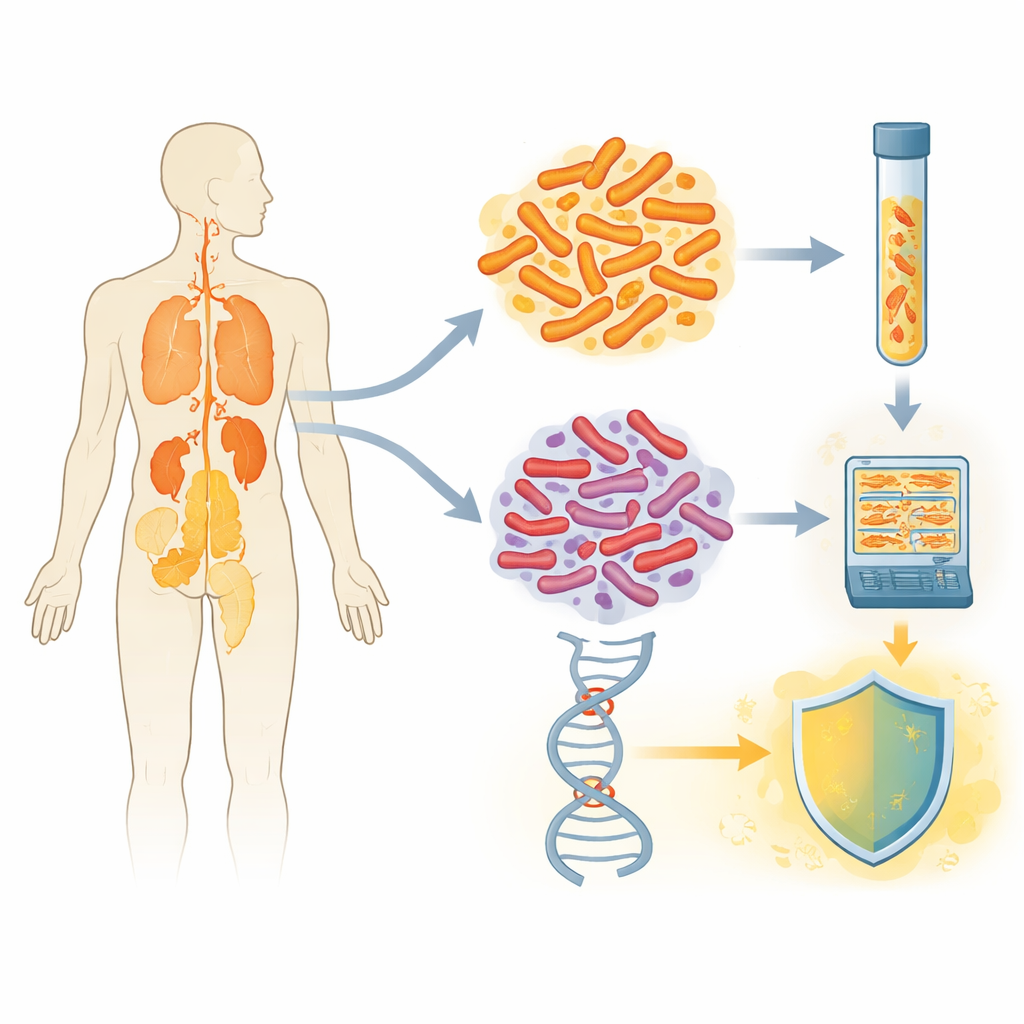
In Ethiopia, nearly one in three reported tuberculosis cases occurs outside the lungs, a form called extrapulmonary tuberculosis. These patients often have swollen neck glands, fluid around the lungs or abdomen, or disease in joints and other organs. Diagnosing them usually requires invasive procedures, and the bacteria are present in low numbers, so doctors rarely send samples for detailed drug‑resistance testing. Instead, most patients are treated with a standard drug combination meant for ordinary, drug‑susceptible tuberculosis. That approach is risky if resistant strains are present but go undetected.
Measuring resistance in real patients
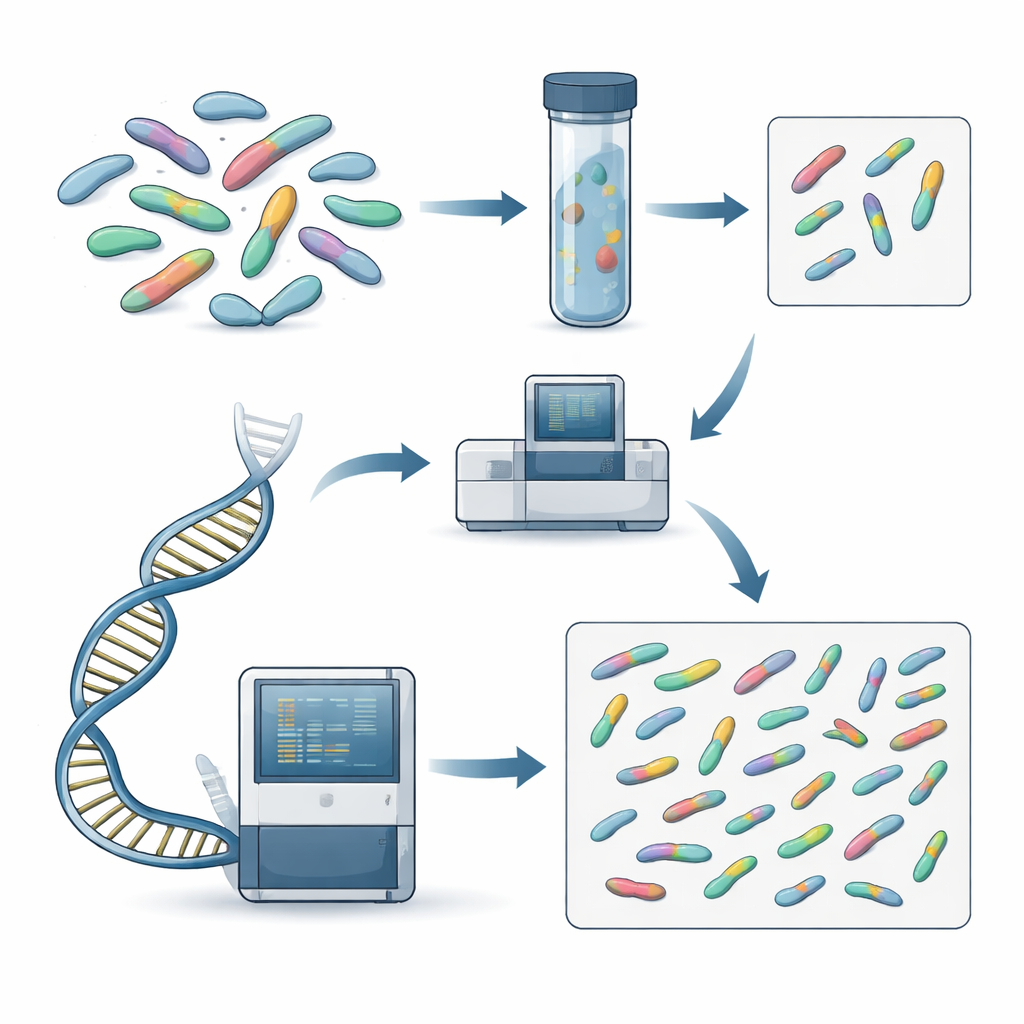
The researchers collected samples from 189 people with confirmed extrapulmonary tuberculosis at 11 hospitals across Ethiopia between 2022 and 2023, mostly from lymph node aspirates. In the laboratory they first used a conventional "phenotypic" test, which exposes the bacteria to tuberculosis drugs in liquid culture to see whether they grow. They then performed whole genome sequencing on 160 of the bacterial isolates, reading nearly every letter of their DNA and using specialized computer programs to look for known resistance‑related changes.
What the genetic tests uncovered
Standard lab testing suggested that about 17 percent of patients had bacteria resistant to at least one key tuberculosis drug, and roughly 4 percent had multidrug‑resistant disease, meaning resistance to both isoniazid and rifampicin, the backbone medicines of treatment. Resistance was much more common in people who had been treated for tuberculosis before. When the team examined the genomes, they confirmed most of these findings but also discovered additional, more subtle forms of resistance that the growth‑based tests had missed, especially involving rifampicin. Several patients had bacteria that appeared susceptible in the lab but carried well‑recognized “borderline” mutations in the rifampicin target gene. These cases, known as rifampicin mono‑resistant or heteroresistant infections, can behave like resistant disease in the body even though routine tests label them as sensitive.
New clues in the bacterial playbook
By looking across the entire genome, the scientists also found rare and previously undescribed mutations. They identified a new change in the rifampicin target region and documented a so‑called compensatory mutation—a genetic adjustment that helps rifampicin‑resistant bacteria regain their ability to grow and spread—in a patient with a long, complicated treatment history. In addition, they observed frequent changes in other genes linked to resistance to second‑line drugs used when first‑line medicines fail. Overall, genome sequencing agreed well with traditional testing for the most important first‑line drugs, but it provided extra information in cases where resistance was borderline, rare, or genetically complex.
What this means for patients and policy
For people with extrapulmonary tuberculosis in Ethiopia, the study shows that multidrug‑resistant disease and isoniazid‑only resistance are not rare, and that some rifampicin‑resistant strains are effectively invisible to the tests now used in routine care. These hidden forms of resistance can lead to treatment failure and continued transmission. The authors argue that integrating modern sequencing tools into national guidelines—at least in reference centers—would allow doctors to spot both common and unusual resistance mutations, choose more effective drug combinations, and monitor emerging problem strains. In simple terms, reading the bacteria’s full genetic blueprint can turn what looks like a guessing game into a more precise, tailored approach to treating one of the world’s oldest infectious killers.
Citation: Mollalign, H., Alemayehu, D.H., Melaku, K. et al. Phenotypic drug resistance and genome sequencing based identified mutations linked to resistance in Mycobacterium tuberculosis isolated from extrapulmonary clinical specimens. Sci Rep 16, 9160 (2026). https://doi.org/10.1038/s41598-026-40253-8
Keywords: extrapulmonary tuberculosis, drug-resistant TB, whole genome sequencing, rifampicin resistance, Ethiopia