Clear Sky Science · en
Effects of motivation and performance on comfort perception of sportswear
Why What You Wear Can Change How You Play
Most people think of sportswear as just shorts, shirts, and maybe a favorite team logo. But what if the fabric touching your skin could subtly change how hard you push yourself, how confident you feel, and even how long you keep going? This study looked at a small but revealing piece of gear—the simple headband—to explore how feeling comfortable in your clothing might shape both the body and the mind during intense indoor soccer, or futsal.
Looking at Comfort Beyond Style
Sportswear does much more than cover the body. The fabrics’ weight, thickness, softness, ability to let air through, move sweat away, and keep you from overheating all contribute to a sense of comfort. On top of that, color, fit, and fashion play into how an athlete feels about themselves. Earlier research has shown that breathable, sweat-wicking clothing can help athletes last longer and feel less drained, especially in hot conditions. This study built on that idea by asking: if players feel more comfortable in what they wear, do they also feel more driven, more focused on success, and less worried about failing?
Testing Headbands in Real Futsal Training
To explore this, researchers worked with ten male futsal students at a university sports faculty. Over five separate training days, each player wore a different headband made from a specific fabric mix, including cotton–elastane, standard polyester, and special moisture-transfer polyester blends. Every session followed the same 50-minute program: warm-up, fast-paced futsal drills and small-sided games, and a cool-down. Before, during, and after these sessions, the players rated their comfort and completed a detailed motivation questionnaire that measures things like the drive to succeed, the wish to show strength, and the tendency to avoid failure. This repeated-measures approach let the researchers compare each player to themselves across different fabrics rather than comparing one player to another.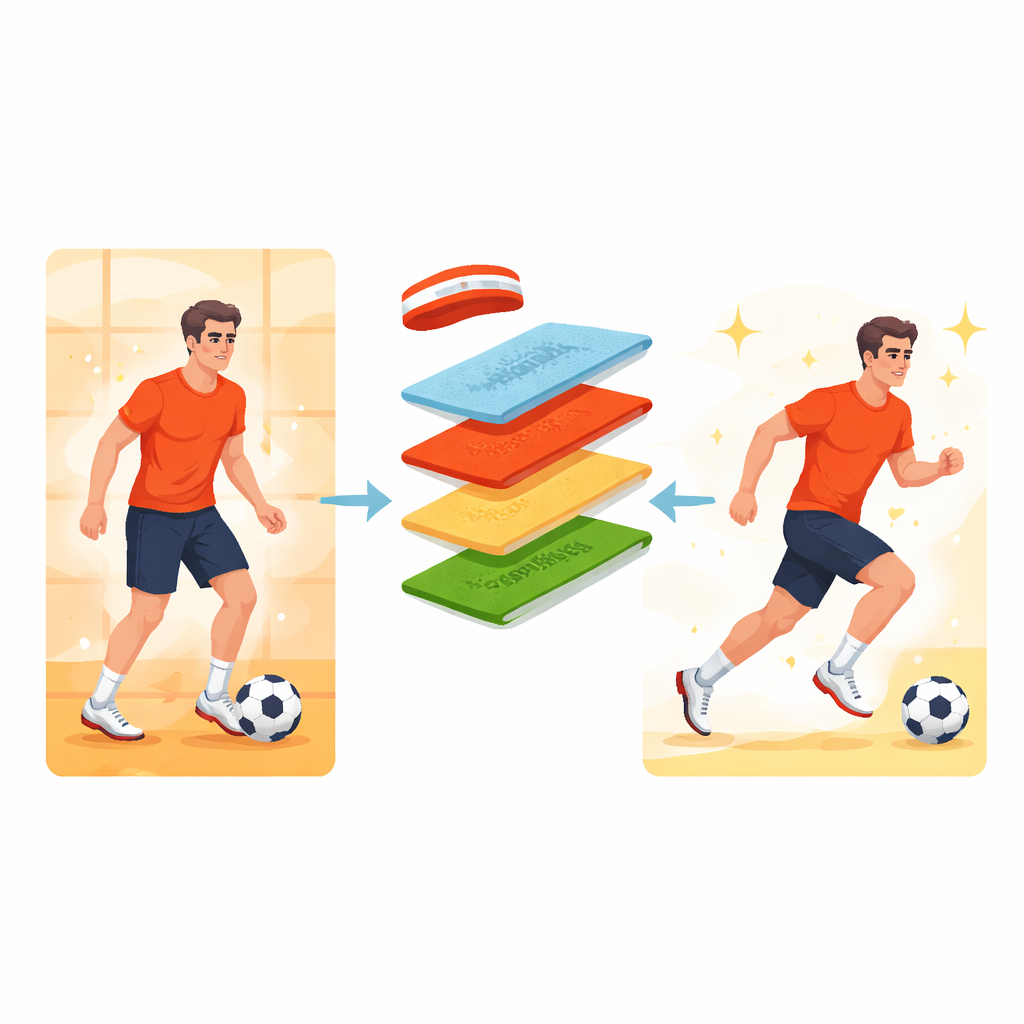
What the Fabrics and Brands Seemed to Change
The data showed that not all headbands felt the same to the athletes. Two common fabric types—cotton–elastane and polyester–elastane—tended to be linked with higher scores on “approach to success,” meaning players felt more ready to chase goals rather than simply avoid mistakes. One of the other headbands produced lower scores on “avoidance of failure,” hinting that some materials may help reduce anxious, hold-back tendencies. Beyond headbands, the study also asked what clothing brands players preferred, how well they thought their gear protected them from heat and sweat, and how wet their clothing felt. While differences across brands were not dramatic, some brands were tied to stronger goal-focused motivation and lower fear of failure, echoing other research suggesting that trusted or performance-oriented brands can act like a psychological boost.
Heat, Sweat, and What Players Expect from Gear
Comfort was not just about what the fabric actually did, but also what players believed it did. Those who felt their clothing protected them “very well” or “well” from heat and perspiration tended to report higher motivation, especially in areas related to striving for success and staying committed to tasks. When clothing felt very damp, scores on positive motivation sometimes dropped, supporting the idea that being hot and sticky can sap both mental and physical energy. Expectations also mattered: players who cared most about functionality or sweat absorption showed stronger approach-oriented motivation than those focused mainly on fashion or appearance. This suggests that athletes who see their gear as a tool for performance, rather than a style statement, may engage more deeply with training.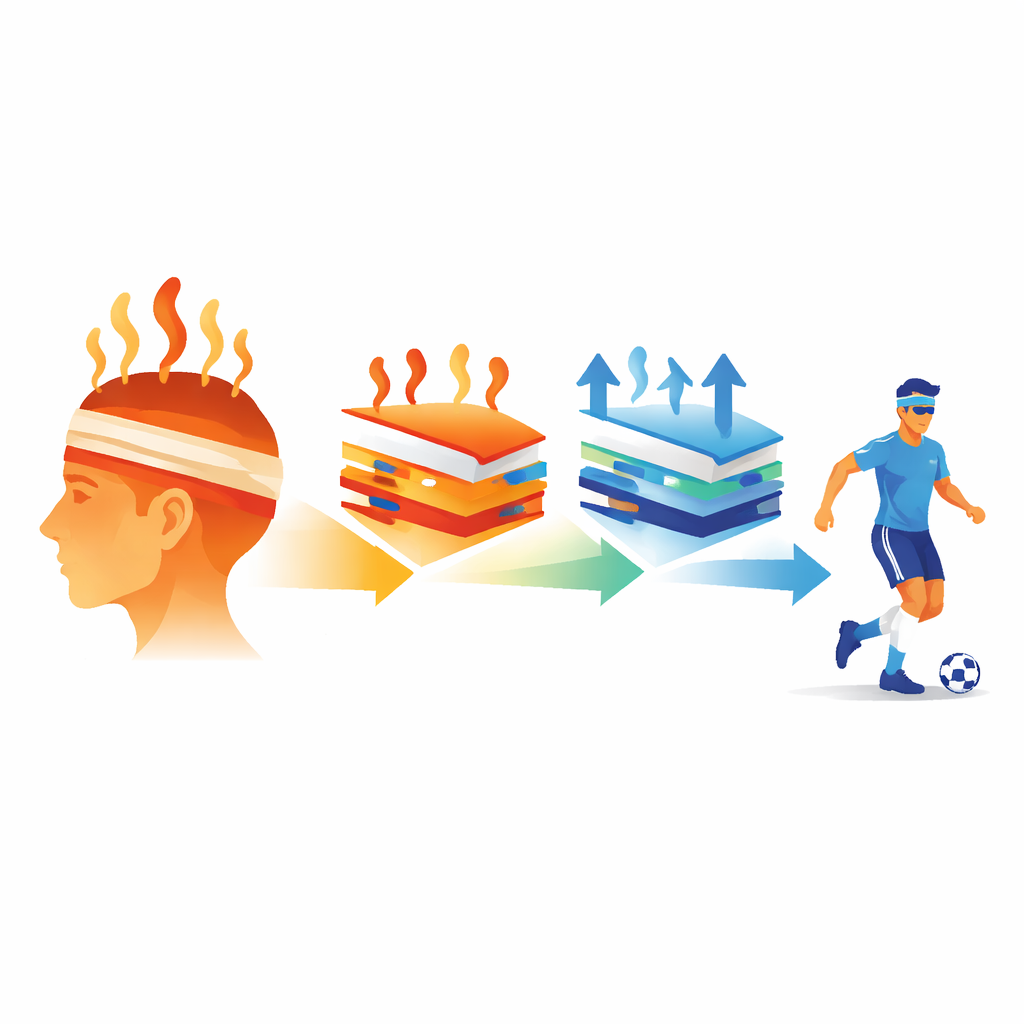
What This Means for Everyday Athletes
In the end, this study concludes that sportswear is more than a uniform—it is part of the performance environment. Even in a small sample of futsal players, differences in fabric type, brand, moisture build-up, and personal expectations were linked to shifts in how athletes approached effort, success, and failure. Not every effect was large or statistically strong, but the overall pattern points in one direction: when clothing helps athletes feel cooler, drier, and functionally supported, they tend to feel more confident and more driven. For everyday players and weekend exercisers, this means that choosing gear with good moisture management, breathable fabrics, and a fit that feels “right” is not just about comfort; it may quietly support the motivation needed to train harder and enjoy sport more.
Citation: Bozkurt, T.M., Özkan, E.T. Effects of motivation and performance on comfort perception of sportswear. Sci Rep 16, 9386 (2026). https://doi.org/10.1038/s41598-026-40239-6
Keywords: sportswear comfort, futsal performance, athlete motivation, moisture wicking fabrics, headband materials