Clear Sky Science · en
Low intensity vibration as a novel strategy to normalize age-related deficits in T cell proliferation, activation, and function
Why a gentle shake might help aging immune defenses
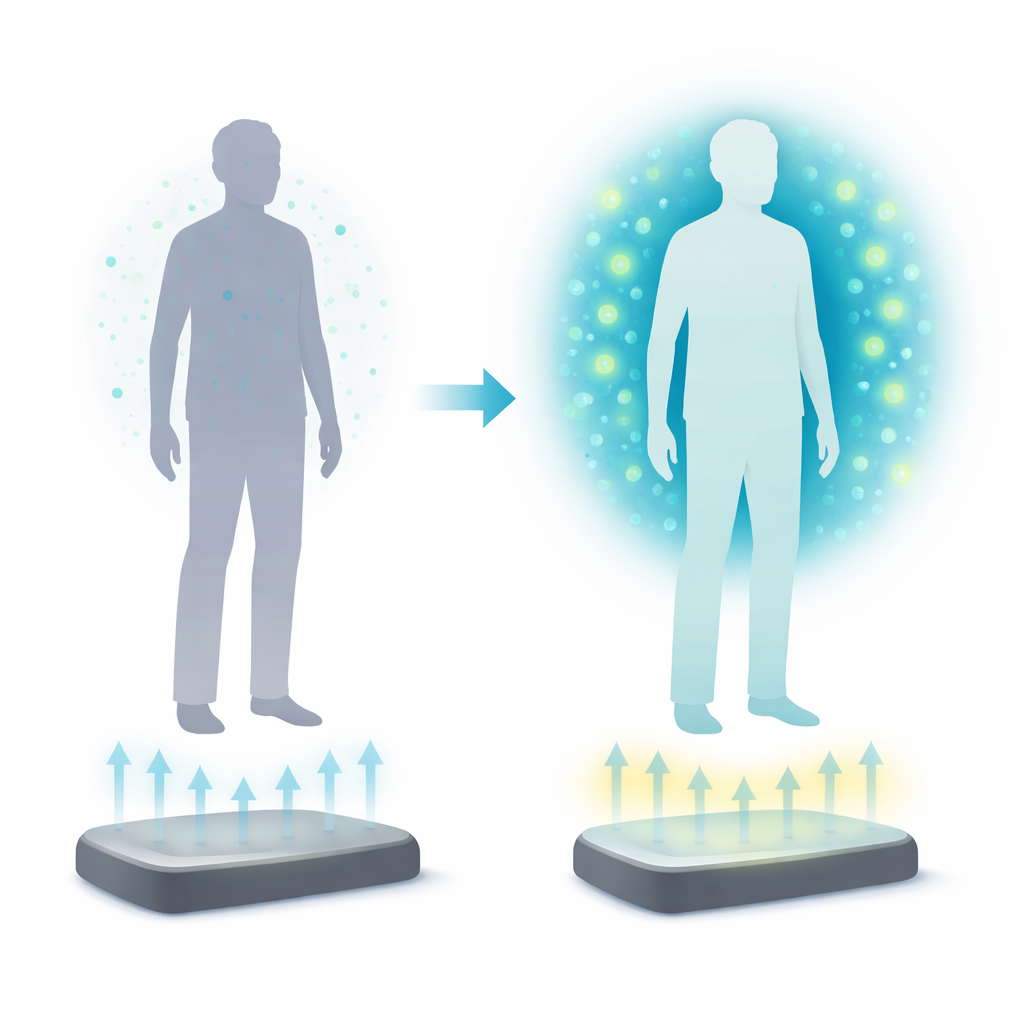
As we age, our immune system gradually weakens, leaving us more vulnerable to infections like flu and COVID-19 and making vaccines less effective. Exercise is known to help keep immunity strong, but not everyone can work out regularly due to frailty, illness, or disability. This study asks a surprising question: can very small, barely noticeable vibrations—delivered while a person or animal simply stands still—wake up sluggish immune cells and partly restore the defenses that time has worn down?
How aging wears down front-line defender cells
T cells are white blood cells that patrol the body, recognize viruses and cancer cells, and coordinate the broader immune response. In older adults, T cells are fewer in number, slower to multiply, and less easily activated when danger appears. Many drift into a tired, “exhausted” state and stop responding properly. This age-related immune decline, called immunosenescence, helps explain why older people struggle more with infections and cancer, and why their bodies often react less strongly to vaccines.
Turning exercise’s mechanical signals into a simple device
Exercise benefits immune cells in many ways: it boosts metabolism, blood flow, and hormone levels, but it also bathes cells in gentle mechanical forces from muscle contractions and body movement. The researchers focused on this last piece—the physical shaking—and built on earlier work showing that cells, including stem cells, can sense very tiny accelerations. They used a platform that delivers low intensity vibration (LIV), producing rapid but extremely small up-and-down motions well below the force of everyday walking. People or cells do not need to exert any effort; they simply experience brief, daily bouts of this subtle mechanical signal.
Making older T cells grow and switch on
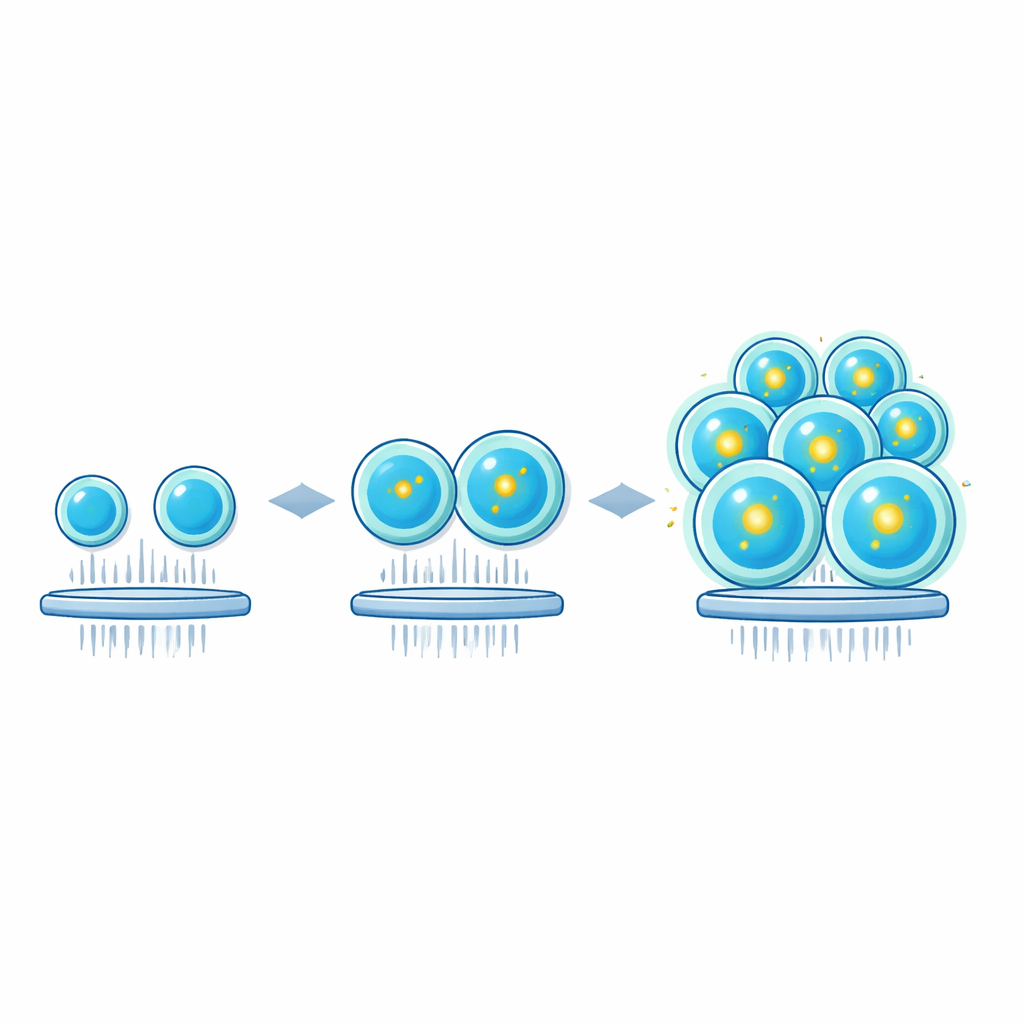
The team first tested human T cells grown in dishes. They compared cells from young donors in their twenties to cells from older donors in their late sixties and beyond. Under otherwise identical culture conditions, adding LIV for a few hours each day made the elderly T cells expand about 59 percent more than their non-vibrated counterparts, while young T cells increased only modestly. Importantly, the treatment did not skew the balance between major T cell types (helpers and killers), did not push cells into short-lived “effector” states, and did not increase cell death. Instead, surface markers showed that LIV nudged T cells into a more ready, activated state while actually lowering several “brakes” associated with exhaustion. The cells also produced more of key signaling molecules such as IL‑2, which supports T cell growth, and showed heightened activity in a well-known internal control circuit (the AKT–GSK3β pathway) that links mechanical cues to cell behavior.
From petri dish to aging mice fighting flu
To see whether these changes matter in a living organism, the researchers applied LIV to 18‑month‑old mice, an age roughly comparable to elderly humans. For four weeks the animals stood on a gently vibrating platform for short daily sessions, while control mice experienced the same handling without vibration. T cells taken from the treated mice showed stronger activation markers but did not show broad signs of harmful over-stimulation. The team then infected both groups with influenza A virus and tracked their body weight, a sensitive indicator of how sick the animals became. Mice that had received LIV beforehand consistently lost less weight and, at the worst point of illness, retained about 18 percent more body mass than controls, pointing to a more resilient immune response.
What this might mean for future immune health
Taken together, the findings suggest that very gentle mechanical vibration can make aging T cells more numerous, more alert, and more capable of responding to viral threats—without driving them into a harmful, exhausted state, at least over the short term. LIV may act as a kind of “exercise mimic” for the immune system, offering some of the benefits of physical activity to people who cannot easily exercise. While much more work is needed to confirm long-term safety, understand exact mechanisms, and test effects in humans, this study raises the intriguing possibility that a simple, low-effort vibration device could one day become part of a non-drug toolkit to shore up immune defenses in older adults.
Citation: Ashdown, C.P., Sikder, A., Kaimis, A.G. et al. Low intensity vibration as a novel strategy to normalize age-related deficits in T cell proliferation, activation, and function. Sci Rep 16, 9428 (2026). https://doi.org/10.1038/s41598-026-40154-w
Keywords: immune aging, T cells, mechanical stimulation, low intensity vibration, exercise mimetic