Clear Sky Science · en
Determinants of food choices on online food delivery applications among university students: a cross-sectional study
Why Your Food App Habits Matter
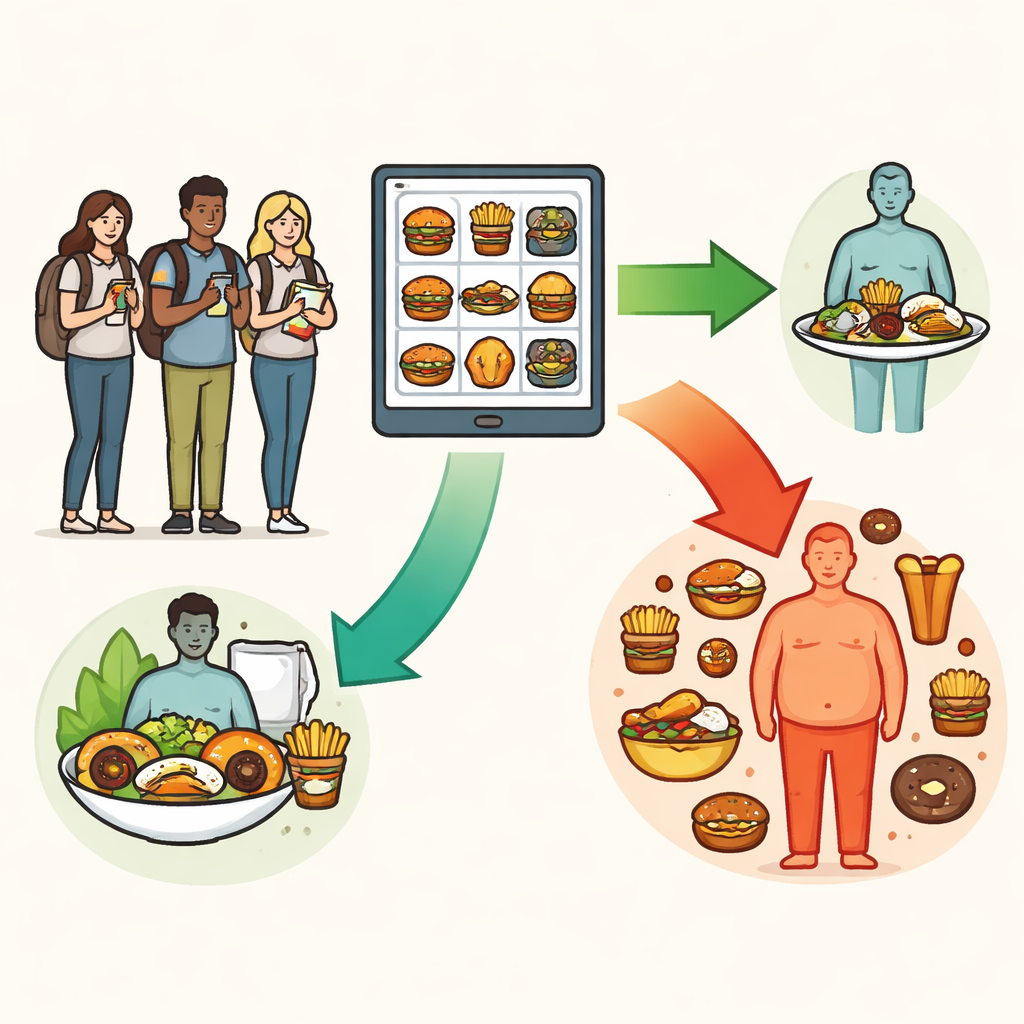
Ordering dinner with a few taps has become second nature for many students. But behind that quick choice lies a mix of money worries, tempting photos, and quiet concerns about food safety. This study from King Khalid University in Saudi Arabia looks closely at how university students use online food delivery apps, what they tend to order, and which features of apps push them toward more or less healthy meals. Its findings offer a window into how digital food platforms are quietly reshaping everyday eating—and what might help them work better for health rather than against it.
Who Is Tapping “Order Now”
The researchers surveyed 397 students from different programs and study levels who actively used food delivery apps such as HungerStation and Jahez. Most were young adults aged 18–25, the majority were women, and nearly all lived in cities with limited budgets. Many reported little or only moderate physical activity, and about one in three fell into the overweight or obese range based on their body mass index. This profile reflects a group that is both highly connected to digital tools and at a life stage where food habits can set the pattern for future health.
What Students Actually Order
Fast food dominated the virtual menus students chose from: nearly three out of four orders were burgers, fried items, and similar quick options. Dinner was by far the most common time for ordering, with many students also turning to apps for late-night snacks. Healthier meals such as salads or vegetarian dishes barely appeared in the order lists. Most students used apps occasionally—once a month or once a week—though a notable minority ordered daily. When asked why they chose one meal over another, almost half named price as the top reason, followed by restaurant cleanliness and how the food looked in the photos. Features that might support healthier eating—like showing ingredients, highlighting healthy options, or listing calories—played only a minor role in decisions.
How Students Think About “Healthy” Food
Even though their orders skewed heavily toward fast food, students showed a fairly good grasp of what a healthy meal should look like. Many said they thought of healthy meals as being low in calories or high in protein, and a significant share emphasized having a variety of vegetables. Yet this knowledge rarely translated into practice. Only about one in four students usually chose a healthy side dish, and just a similar fraction felt that apps helped them find healthier alternatives. Many reported that promotions, social media advertising, and friends or family nudged them toward ordering more, and nearly half felt that app use had changed their habits—for example, by encouraging late-night eating or eating alone more often.
Why Price, Pictures, and Safety Signals Matter
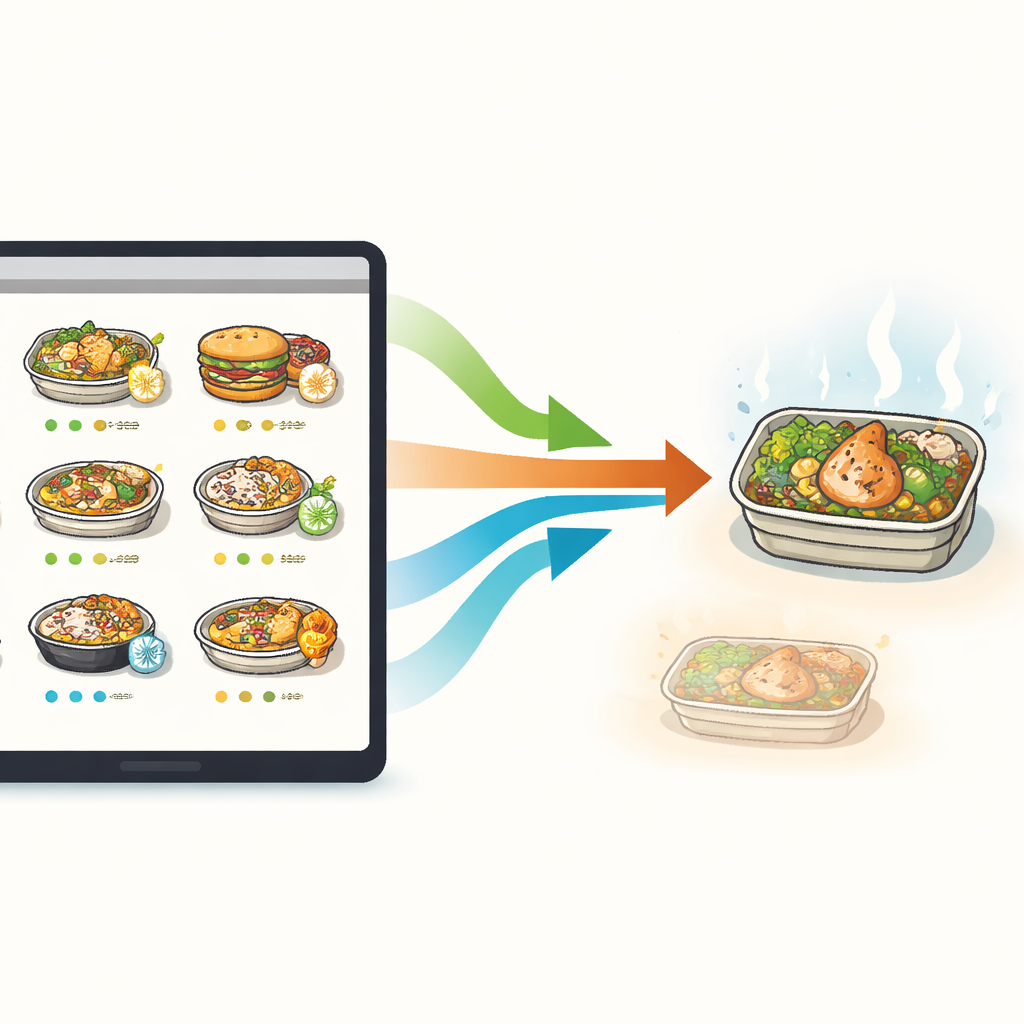
By running statistical analyses, the researchers pinpointed which factors most strongly predicted choosing a healthier meal when using an app. Price stood out: students who saw price as important were about twice as likely to pick a healthier option, suggesting that when better-for-you meals feel affordable, students will choose them. The visual appeal of the food also mattered; more attractive-looking dishes were more likely to be chosen as the “healthy” option. Among ideas about what makes a meal healthy, emphasizing vegetables—not just lower calories or more protein—was linked to healthier selections. Students also cared deeply about safety cues. Most said the temperature of the food on arrival shaped their sense of both quality and safety, and many reported that packaging and the delivery person’s cleanliness affected whether they trusted the food. These impressions varied with gender, age, income, smoking status, and body weight, showing that different groups notice different safety signals.
What This Means for Everyday Eating
Overall, the study paints a picture of students who understand the basics of healthy eating but are steered by price, marketing, and the look and feel of what appears on their screen. Fast food is the easiest and most common choice, while healthier dishes are harder to spot, less promoted, or seem too expensive. At the same time, students are alert to signs that their food is handled safely, especially temperature and packaging. For app companies, universities, and health planners, the message is clear: if online food delivery is here to stay, making healthier dishes more visible, more appealing, and more affordable—while keeping safety front and center—could turn a convenient habit into a stronger ally for young adults’ long-term health.
Citation: Alshahry, A.M., Alhazmi, A. Determinants of food choices on online food delivery applications among university students: a cross-sectional study. Sci Rep 16, 9114 (2026). https://doi.org/10.1038/s41598-026-40145-x
Keywords: online food delivery, university students, healthy eating, food choice, food safety