Clear Sky Science · en
Genomic and structural elucidation of multi-heavy metal tolerance in the p-nitrophenol-degrading bacterium Pseudomonas asiatica strain PNPG3
Why a Tiny River Microbe Matters
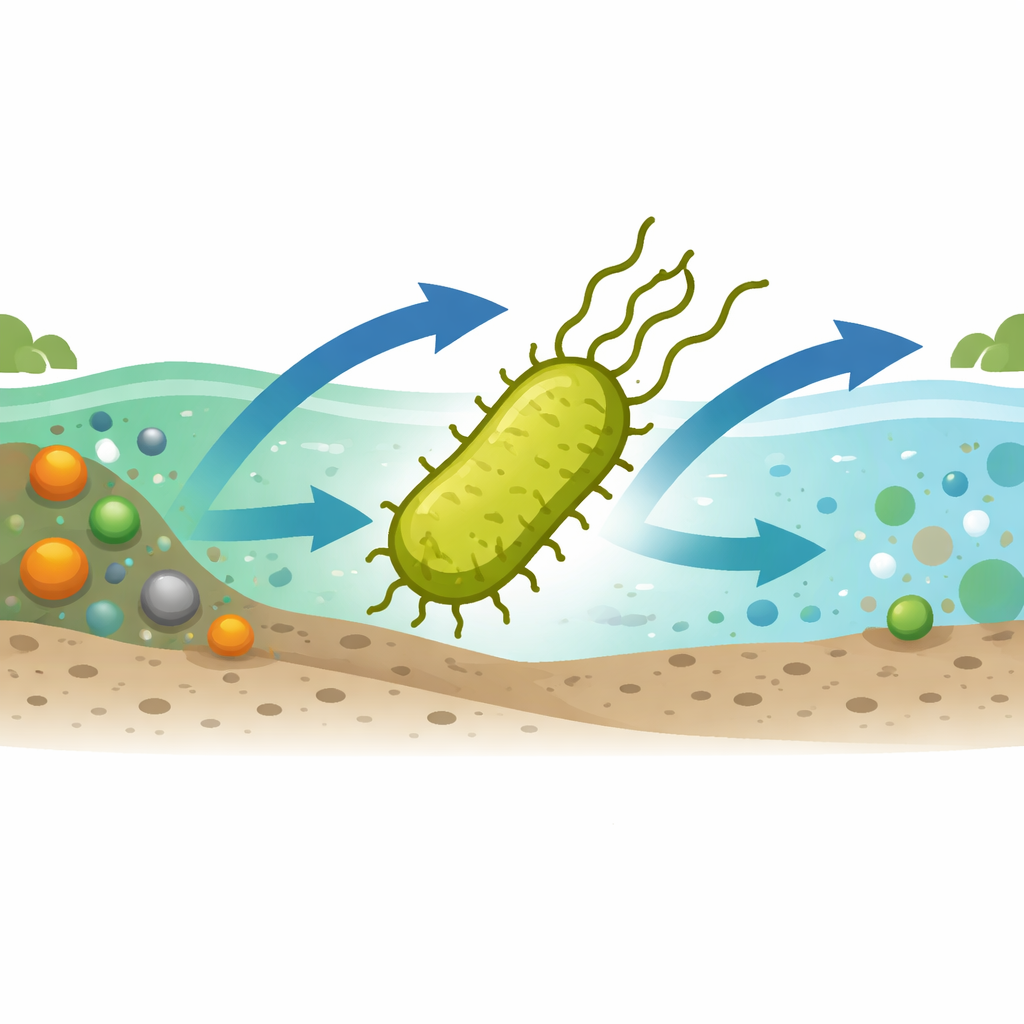
Across the world, rivers and soils are laced with a troubling mix of pollution: stubborn industrial chemicals and toxic metals like arsenic and chromium. These contaminants are hard and costly to remove using conventional treatment plants. This study focuses on a single bacterial strain, Pseudomonas asiatica PNPG3, fished out of India’s Ganges River, that can both survive heavy metal stress and break down a notorious toxic chemical called p-nitrophenol (PNP). Understanding how this microbe does both jobs at once could point the way toward cheaper, nature-based cleanup strategies for some of the planet’s most difficult waste sites.
A Double Poison in Water and Soil
Industrial and agricultural activities release PNP and heavy metals into the environment. PNP is used in dyes, pesticides, explosives, and pharmaceuticals, and it resists breakdown while disrupting the energy systems of living cells and posing cancer risks. At the same time, metals such as arsenic, cadmium, cobalt, and chromium accumulate from mining, manufacturing, and corroded infrastructure. Even at low levels, these metals damage DNA and proteins and build up in food webs. Many polluted sites contain both types of contaminants together, creating a harsh chemical “soup” that overwhelms most cleanup methods and many would-be helpful microbes.
A River Bacterium with Unusual Toughness
The team previously showed that PNPG3 can use PNP as its only carbon source, removing nearly all of it from culture flasks in about two and a half days. In this work, they challenged the bacterium with high doses of four metals. PNPG3 tolerated remarkably high concentrations, especially of arsenite and cadmium, indicating that it is well adapted to metal-rich sediments like those found in parts of the Ganges basin. When the researchers added arsenite together with PNP, the microbe still degraded about 86 percent of the chemical, releasing nitrite as a breakdown product. Although the cleanup was a bit slower than in metal-free conditions, PNPG3 kept functioning under stress levels far higher than typically seen in surface waters, suggesting it could continue working in severely contaminated sites.
Genes That Arm the Microbe Against Metals
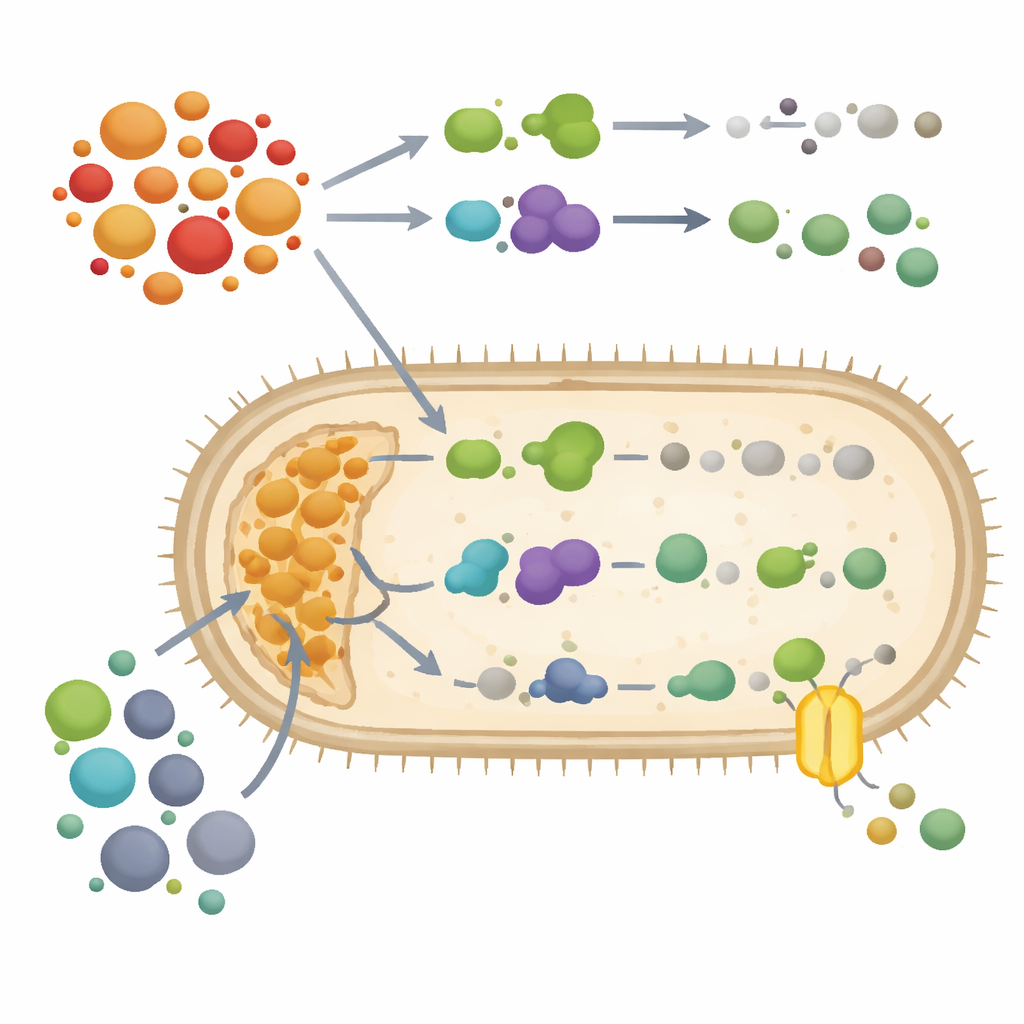
To understand where this resilience comes from, the researchers sequenced and analyzed the bacterium’s genome. They found dozens of genes linked to sensing, pumping out, and chemically transforming toxic metals. A particularly striking feature was an unusual cluster of arsenic-related genes arranged in a pattern rarely seen before. Instead of the classic arrangement used by many bacteria, PNPG3 carries a combination of regulatory, transport, and helper genes that together appear to provide a flexible way to move arsenic out of the cell or divert it through less harmful chemical routes. The genome also holds a rich set of stress-response genes and pathways capable of degrading many other industrial pollutants, including dioxins and polycyclic aromatic hydrocarbons, hinting that PNPG3 could cope with a broad variety of chemical insults.
Zooming In on the Microbial Machinery
The study then turned to two key enzymes thought to be central to metal detoxification: ArsC, which reduces arsenate, and ChrR, which reduces chromium. Using computer-based modeling, docking, and molecular dynamics simulations, the researchers built three-dimensional structures of these proteins and watched, virtually, how arsenic and chromium compounds settled into their active sites over time. The simulated complexes revealed that arsenate fit into ArsC’s pocket in a way that produced a tight, compact, and stable structure with multiple hydrogen bonds holding it in place. In contrast, the complex between ChrR and a chromium compound was more flexible and showed larger structural fluctuations, suggesting a less robust interaction under the same conditions.
What This Means for Cleaning Up Pollution
Taken together, the experiments and simulations paint a picture of a bacterium that is unusually well equipped to survive in “difficult” environments where both toxic chemicals and heavy metals coexist. PNPG3 can keep degrading PNP even when bathed in high arsenic concentrations, backed by a genome rich in metal-resistance modules and versatile degradation pathways. At the molecular level, its arsenic-handling enzyme appears especially stable, implying that arsenate conversion may proceed reliably even as environmental conditions shift. While the work relies heavily on computational predictions that still need laboratory confirmation, it highlights PNPG3 as a promising candidate for future field-scale trials, where living microbes are harnessed to turn some of our most persistent pollutants into safer forms in place, rather than hauling contaminated material away.
Citation: Alam, S.A., Karmakar, D., Nayek, T. et al. Genomic and structural elucidation of multi-heavy metal tolerance in the p-nitrophenol-degrading bacterium Pseudomonas asiatica strain PNPG3. Sci Rep 16, 9156 (2026). https://doi.org/10.1038/s41598-026-40113-5
Keywords: bioremediation, heavy metal tolerance, pseudomonas, p-nitrophenol degradation, arsenic detoxification