Clear Sky Science · en
Plant-derived phenolic acids in Shilajit: a comparative HPLC–MS/MS analysis across five regions
Ancient mountain remedy under the modern microscope
For centuries, people in high mountain regions from India to Iran have used a dark, tar-like substance called Shilajit as a natural remedy for everything from broken bones to fatigue and memory problems. Today it is sold worldwide as a health supplement, yet its true origin and key active ingredients have remained surprisingly uncertain. This study brings modern laboratory tools to bear on that mystery, looking for plant-derived antioxidant molecules inside Shilajit that could both explain its benefits and help consumers distinguish genuine material from questionable products. 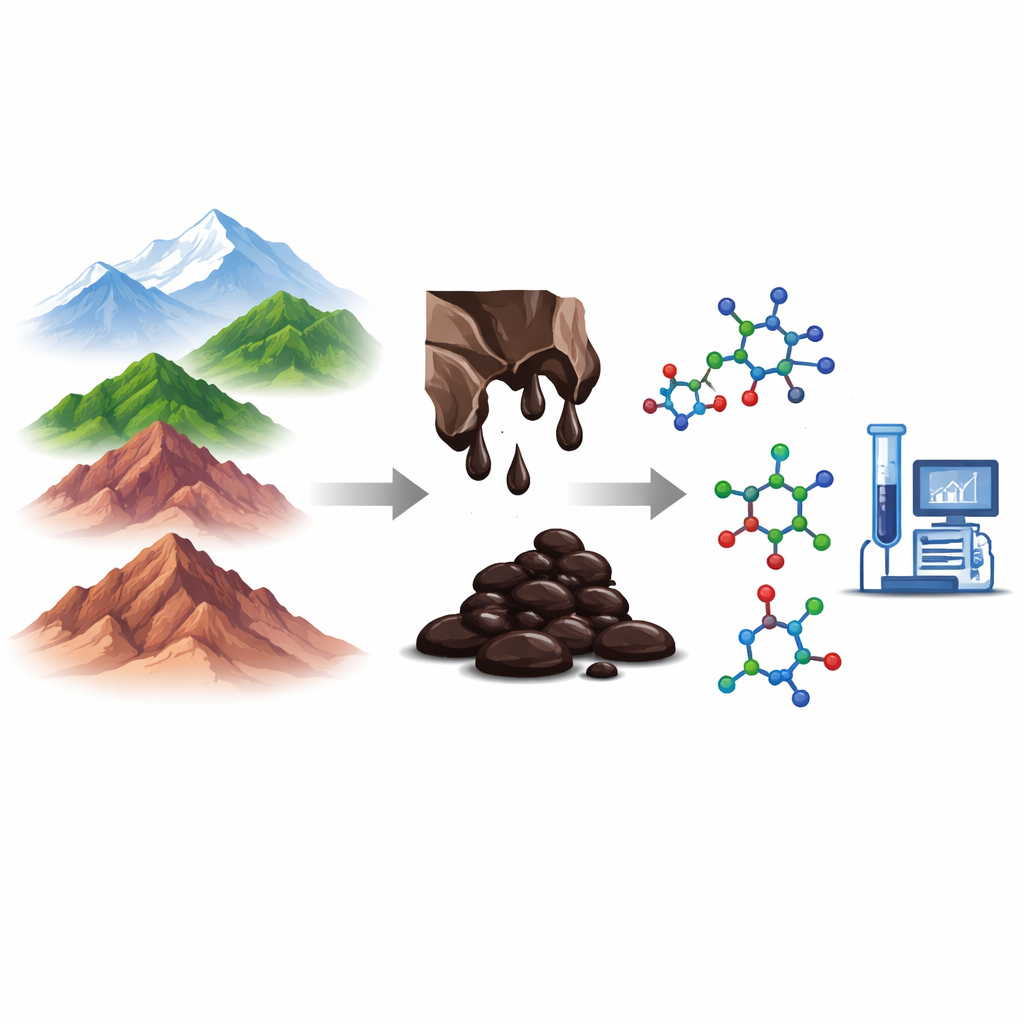
What Shilajit is and why plants matter
Shilajit seeps out of rocks in warm months in high mountainous areas and has long been believed to form from the slow breakdown of plants and other organic matter trapped in rock. If plants really are central to its formation, Shilajit should contain traces of plant chemicals that survive this long transformation. The authors focused on a family of such compounds called phenolic acids, which are common in berries, nuts, herbs, and many other foods. These molecules are well known for their strong antioxidant activity in the human body and are thought to help protect against chronic diseases. Finding and measuring them in Shilajit would not only support its plant-based origin but also offer a concrete chemical link to its reported health effects.
How the team probed Shilajit’s chemical fingerprints
The researchers collected eleven raw Shilajit samples from five regions: Iran, India, Nepal, Russia, and Kyrgyzstan. To make them easier to handle and analyze, the sticky material was first freeze-dried and ground into a fine powder. The team then used a water–alcohol mixture to pull phenolic acids out of the powder, systematically testing different solvent strengths and extraction times until they found conditions that released the most target compounds. The resulting extracts were examined with a highly sensitive technique called HPLC–MS/MS, which separates molecules and weighs them with great precision. This allowed the scientists to reliably identify and quantify nine specific phenolic acids known from plants, including gallic, caffeic, vanillic, and rosmarinic acids.
What they found inside the mountain resin
The analyses revealed that all Shilajit samples contained plant-type phenolic acids, but in strikingly different mixtures and amounts. Overall, one subgroup, called hydroxybenzoic acids (including gallic, vanillic, and syringic acids), tended to dominate over another subgroup, the hydroxycinnamic acids. Gallic acid stood out as the most abundant component, sometimes reaching levels several times higher than previously reported, especially in samples from Iran and India. Vanillic and caffeic acids were also present in many samples, often at substantial levels. Some compounds, such as ferulic, chlorogenic, sinapic, and rosmarinic acids, appeared at low concentrations or only in particular samples—for example, one Iranian sample showed an unusually high amount of rosmarinic acid, hinting at a strong influence from local plant communities. 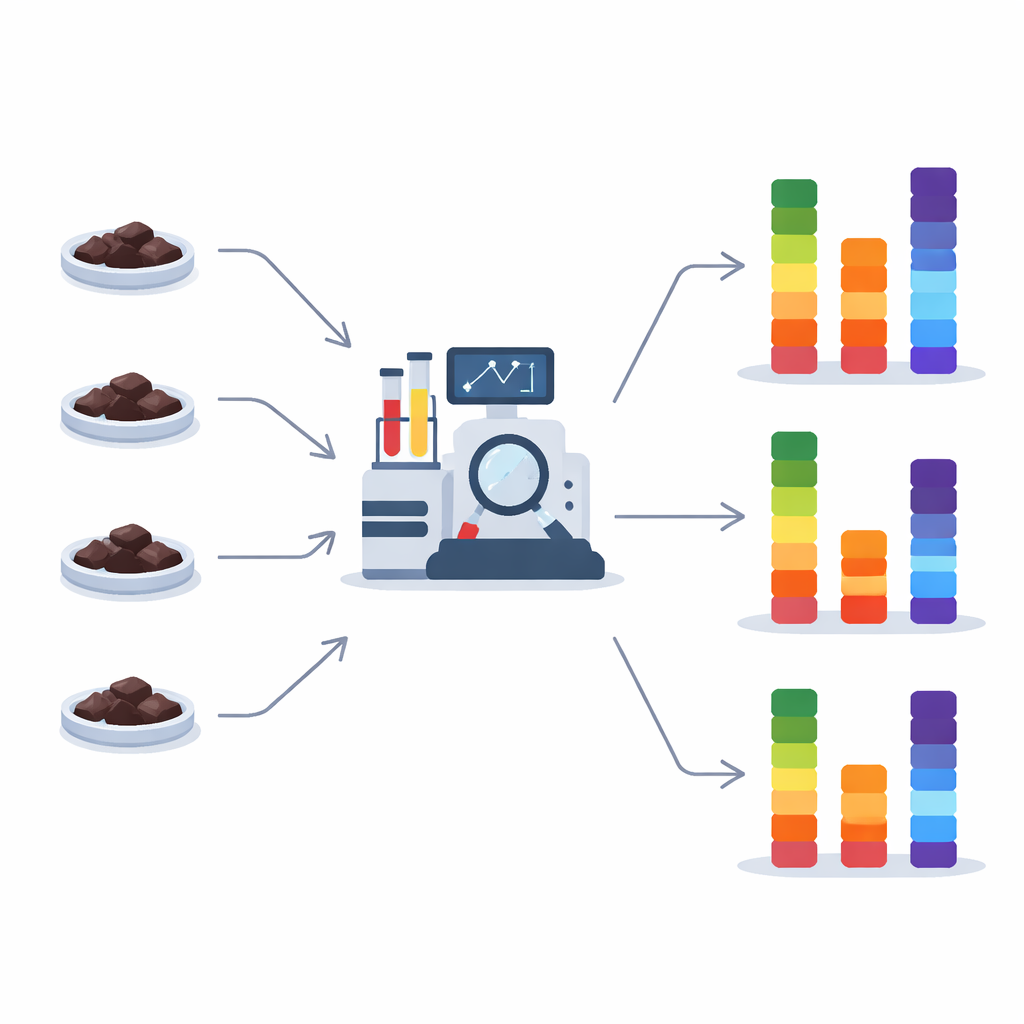
Same look, different chemistry
Despite Shilajit’s similar appearance across markets, its phenolic acid “fingerprints” varied widely between the different geographic sources. The study suggests that factors such as local vegetation, climate, and rock chemistry shape which plant molecules enter Shilajit and how they are altered over time. Hydroxybenzoic acids showed a more consistent presence, whereas hydroxycinnamic acids fluctuated and were sometimes undetectable, perhaps reflecting differences in how stable these structures are during long-term natural processing. Because the samples came from suppliers rather than mapped field sites, the authors could not tie individual patterns to specific plants or locations, but the overall picture is clear: Shilajit is not a uniform substance, and its composition carries a chemical memory of where and how it formed.
Why this matters for health and quality
By firmly establishing the presence and quantities of several key plant-derived phenolic acids, this work provides concrete molecular evidence that Shilajit has a strong botanical component and that these same antioxidant compounds likely contribute to its reported health benefits. Just as important, the detailed profiles generated in this study offer a practical tool for modern quality control. Producers and regulators can use phenolic acid patterns as markers to compare raw materials, check batch-to-batch consistency, and help spot unusual or adulterated products. While the study does not capture every chemical in Shilajit and is limited by the number of samples, it lays an essential foundation for turning a traditional mountain remedy into a more standardized, evidence-based natural medicine.
Citation: Kamgar, E., Spryszyńska, A., Zembrzuska, J. et al. Plant-derived phenolic acids in Shilajit: a comparative HPLC–MS/MS analysis across five regions. Sci Rep 16, 9268 (2026). https://doi.org/10.1038/s41598-026-40090-9
Keywords: Shilajit, phenolic acids, antioxidants, natural medicine, HPLC-MS/MS